Ghanaian Artist Ibrahim Mahama Wins 2026 Arnold Bode Prize in Germany

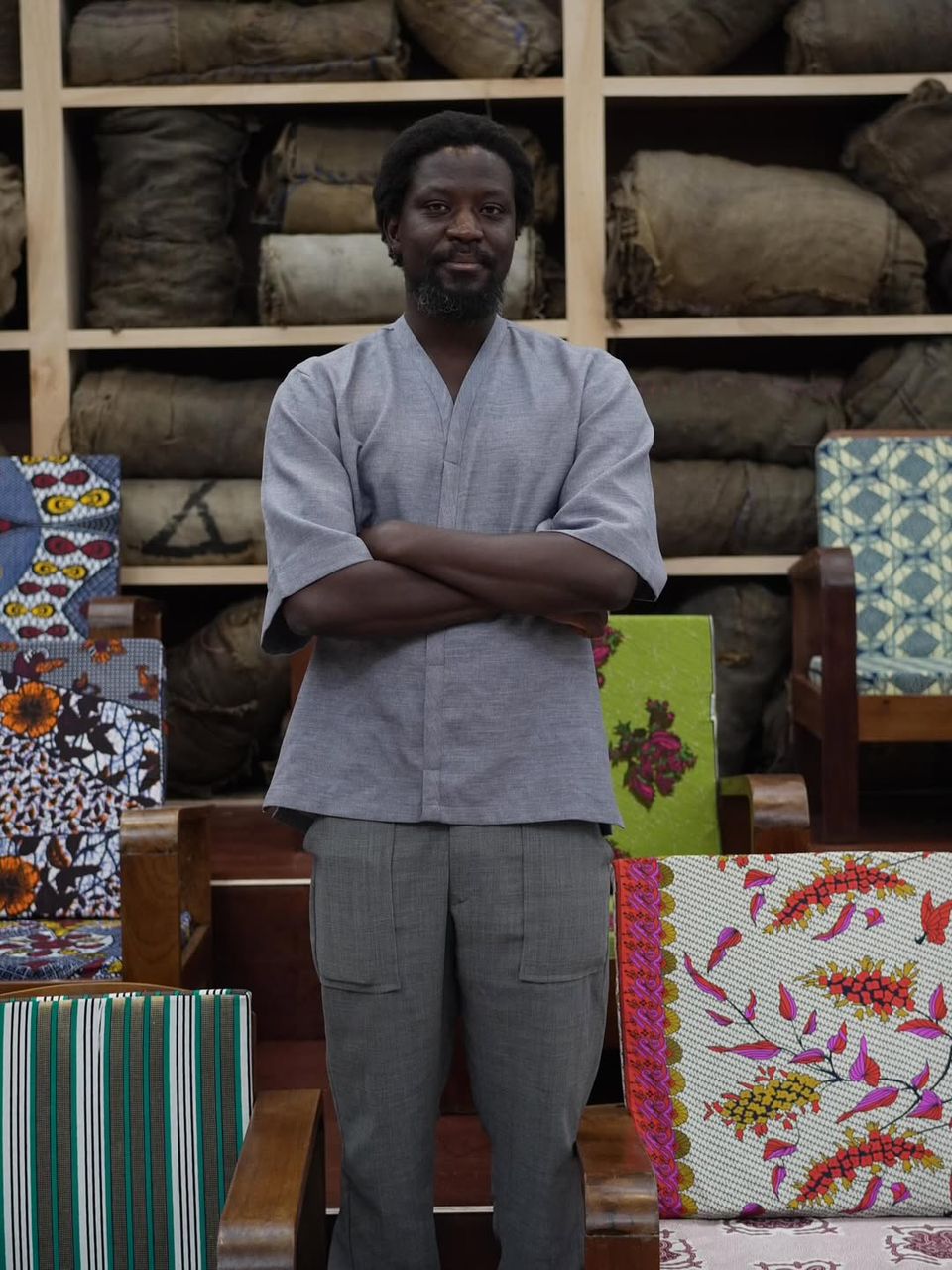
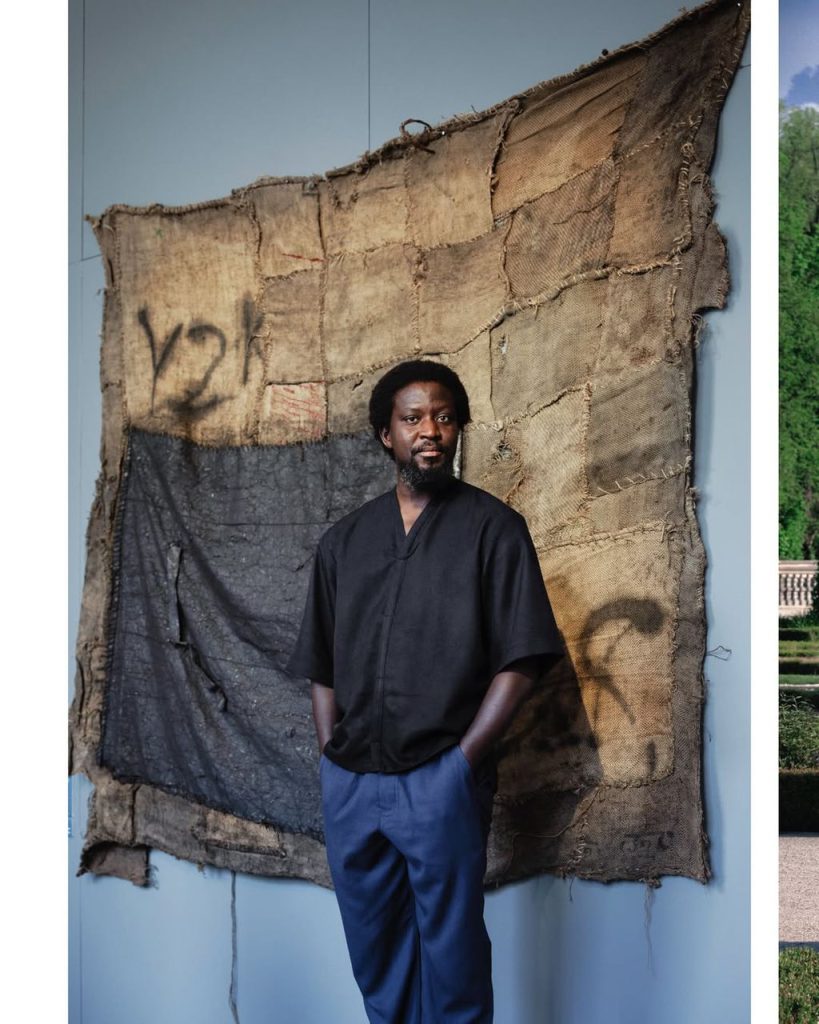
Ghanaian visual artist Ibrahim Mahama has secured one of Europe’s most respected contemporary art honours, winning the Arnold Bode Prize for 2026 in Germany, a recognition that further cements his growing global imprint.
Awarded by the city of Kassel, the prize, named after the founder of the influential documenta exhibition, comes with a €10,000 cash award and is reserved for artists whose work meaningfully engages social, political, and cultural discourse.
Mahama’s selection feels aligned with that ethos. Across his practice, he has consistently interrogated themes of labour, migration, and global economies, often through large-scale installations built from stitched jute sacks, materials that carry both historical weight and everyday familiarity.
What makes this moment particularly significant is how his work operates: expansive in scale, but grounded in lived realities. His installations occupy space, reframe it, and turn buildings and public sites into layered commentaries on trade, history, and movement.
Beyond the visual language, Ibrahim Mahama’s influence extends into institution-building. Through initiatives like Red Clay Studio, the Savannah Centre for Contemporary Art (SCCA), and Nkrumah Volini in Tamale, he has helped shape Ghana’s contemporary art ecosystem, creating spaces that nurture artists through residencies, exhibitions, and training.
The Arnold Bode Prize, established in 1980, has long recognised artists who challenge conventional narratives while pushing contemporary art forward. Ibrahim Mahama’s win places him within that lineage, one that values experimentation, critical thought, and cultural dialogue.

The reaction online has mirrored the weight of the moment. Across social platforms, artists and cultural observers have framed the win as both personal and continental. It signals how African contemporary art continues to command space on global stages.
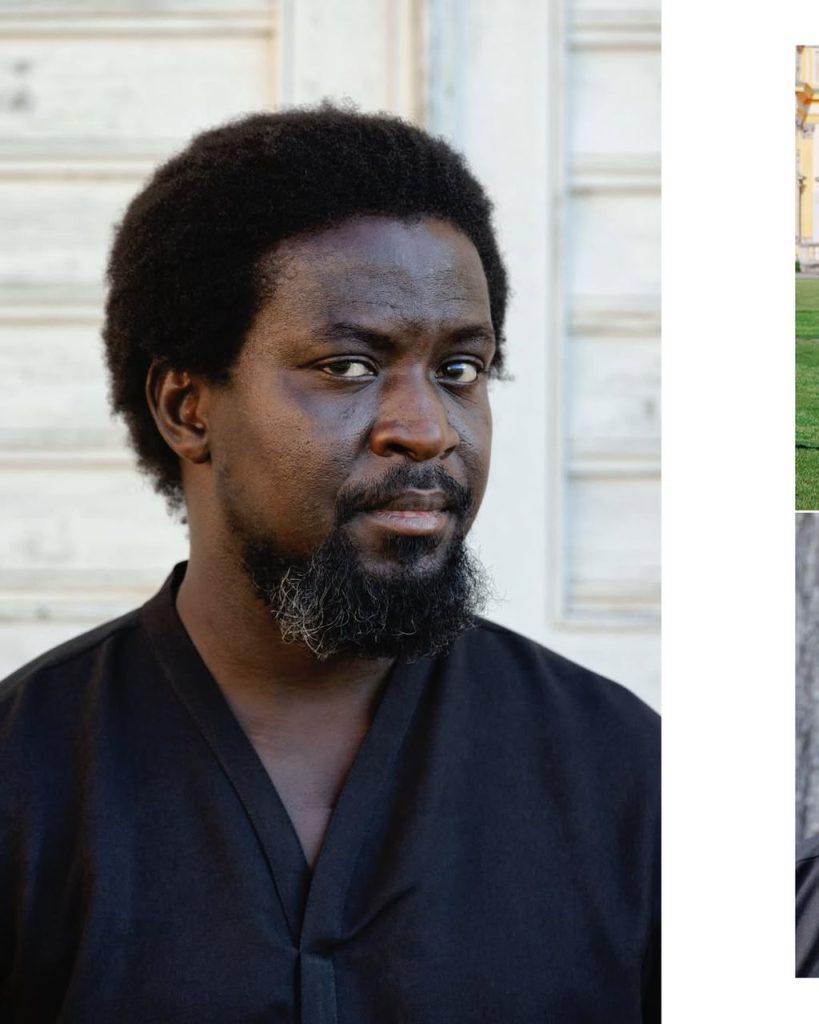
For Ibrahim Mahama, this isn’t a breakthrough as much as it is a continuation. In recent years, he has steadily built a body of work—and a network—that moves beyond exhibitions into infrastructure and legacy. This latest recognition simply sharpens the narrative: African artists are participating in global art conversations and shaping them.
And in Mahama’s case, they’re doing it on their own terms.