The Cost of Cool: Why Wearing a Beret in Nigeria Is a Stylish Risk

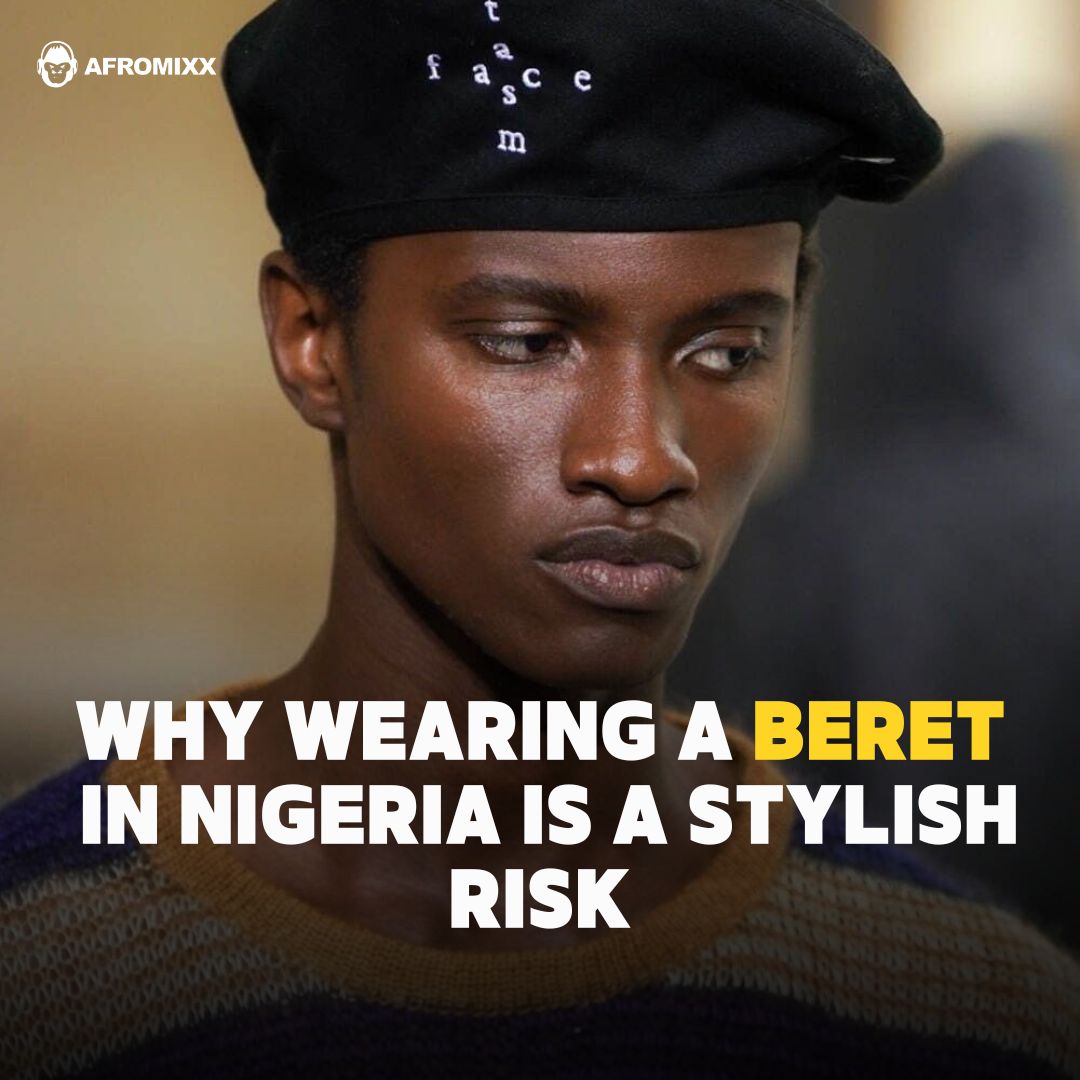
There’s a quiet tension around the beret in Nigeria. It sits at the intersection of style and risk, where a simple fashion choice can carry unintended meaning. In other parts of the world, a beret is just an accessory. Here, it can read as a statement you didn’t mean to make.
The beret’s history is older and more layered than its current fashion cycle suggests. It traces back to rural communities in the Basque region between modern-day France and Spain, where it was worn for practicality. Basque farmers and shepherds wore them for practical protection against the weather. Production scaled up in the 19th century in towns like Oloron-Sainte-Marie, with the French military later adopting them as standard headgear.
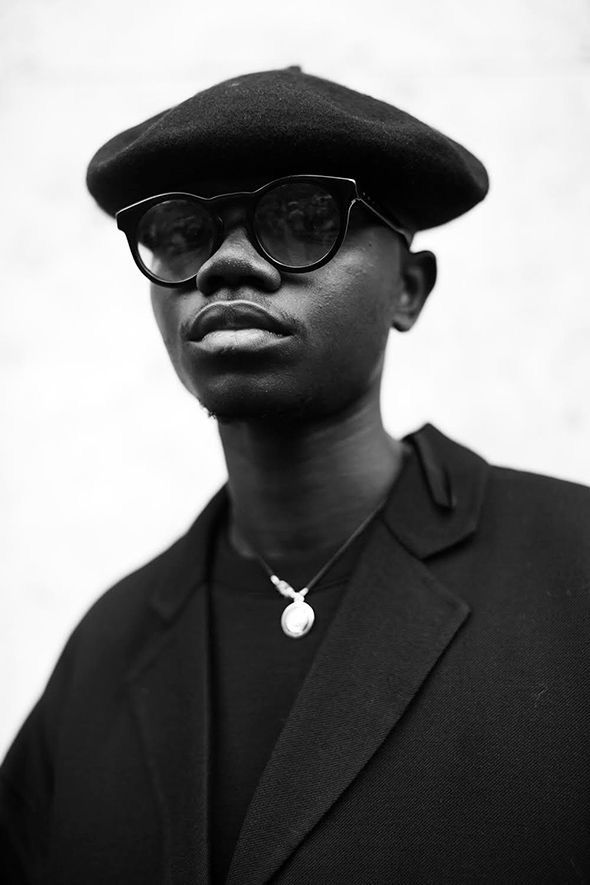
Over time, it moved into military use across Europe, becoming part of standard-issue uniforms. That shift gave it structure, discipline, and identity. By the 20th century, it had also entered political and cultural symbolism. Revolutionaries, most famously Che Guevara, wore it as a marker of resistance. Artists and intellectuals adopted it as shorthand for creativity and nonconformity.
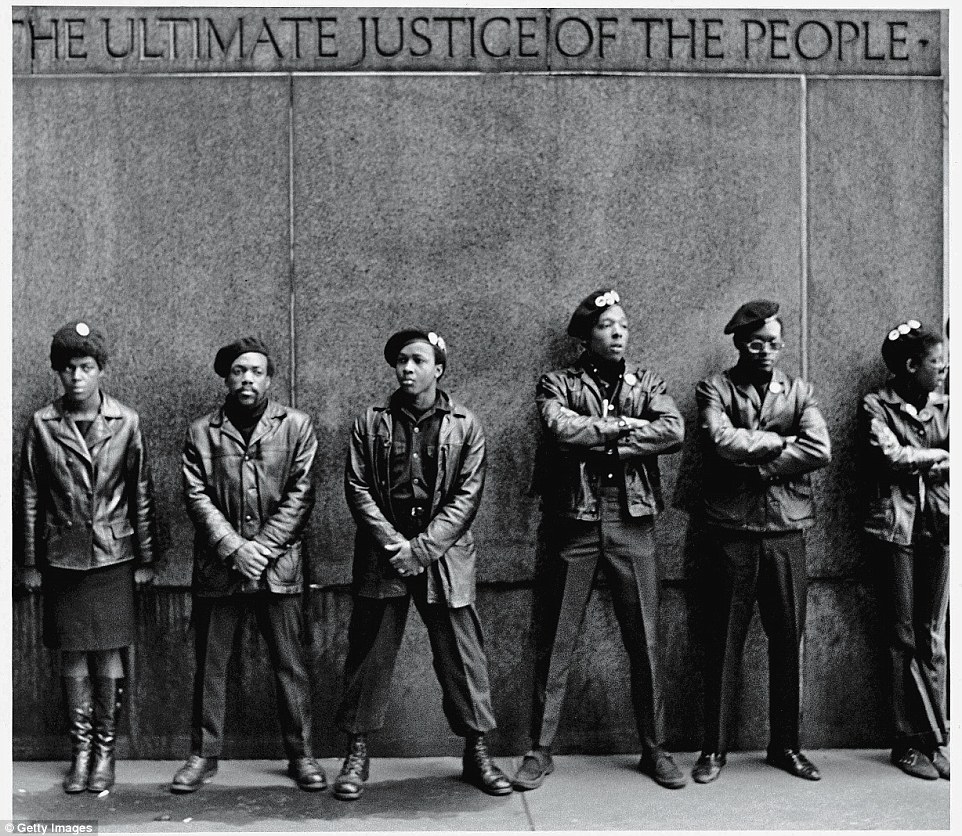
Fashion absorbed all of this, and the beret became a flexible symbol. In global fashion, berets signal creativity and rebellion. Artists, intellectuals, and bohemians have worn them for decades. They appeared in French Resistance efforts during World War II and with groups like the Black Panthers. The beret became a staple in women’s fashion by the mid-20th century and still evokes Parisian chic and artistic flair today.

But Nigeria complicates that reading.
Here, colour carries weight. University confraternities, known locally as cults, use berets in specific colours as identifiers. A yellow beret often marks Buccaneers members. A green beret points to Maphite. A red beret links to Vikings. A black beret connects to Black Axe, Aye, or Two-Two groups. A blue beret signals Eiye. These associations run deep in campus culture and have spread beyond universities. They are identifiers. They can signal allegiance, hierarchy, or history within a group. These associations are not theoretical. They are lived realities shaped by years of violence, territorial clashes, and coded communication.
Wearing one of these colours without affiliation carries real risks and can be interpreted as a claim. In some situations, it can attract confrontation. In others, it creates distance. People choose not to engage. They assume you are part of something they would rather avoid. Even without violence, strangers assume cult membership. The suspicion creates instant tension in public spaces.
And this is where fashion loses its innocence. The same item that reads as stylish in one environment reads as loaded in another. The fashion piece that elevates an outfit elsewhere becomes a liability here. A red beret in a lookbook is bold; on a Nigerian street or campus, it may be a signal flare.


There is also the issue of perception over intention. Fashion often relies on personal expression. In this case, public interpretation matters more. You might be referencing a runway, a vintage aesthetic, or a cultural icon. The observer may see something else entirely. In a society where cult-related violence has shaped real fear, people respond to what they recognise, not what you intended.
That gap is why many people avoid berets altogether. Practicality wins over style when safety enters the equation. The accessory demands context. Without it, the outfit becomes secondary. This divide shows how local contexts reshape global trends. A simple hat turns controversial based on where you stand.
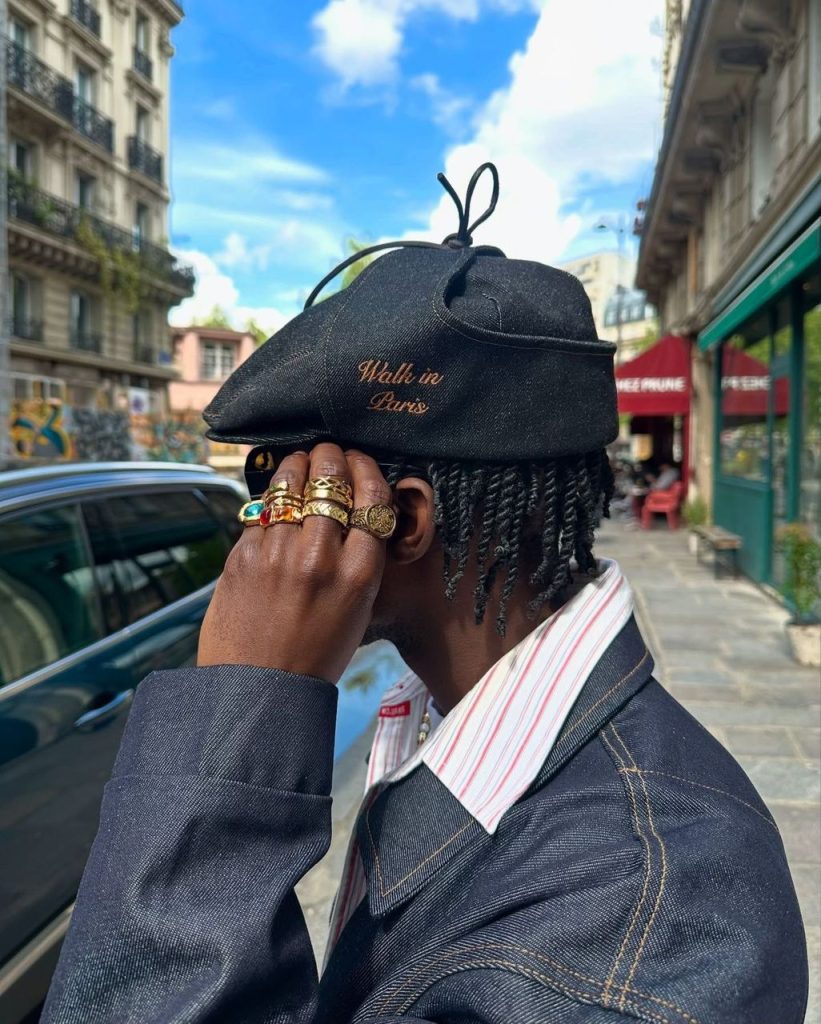
Still, the beret has not disappeared from Nigerian fashion. It shows up in controlled spaces—editorials, photoshoots, and curated events. In those environments, the audience understands the styling language. There is less room for misreading. Some fashion-forward individuals also wear it carefully, often choosing safer colours or pairing it in ways that dilute any coded meaning.
The tension remains unresolved. The beret is globally recognised as a stylish, expressive piece. Locally, it carries a different kind of visibility. It asks the wearer to be aware of more than aesthetics.