255: The German Brothers Who Turned a Basement Obsession into an Afrobeats Force

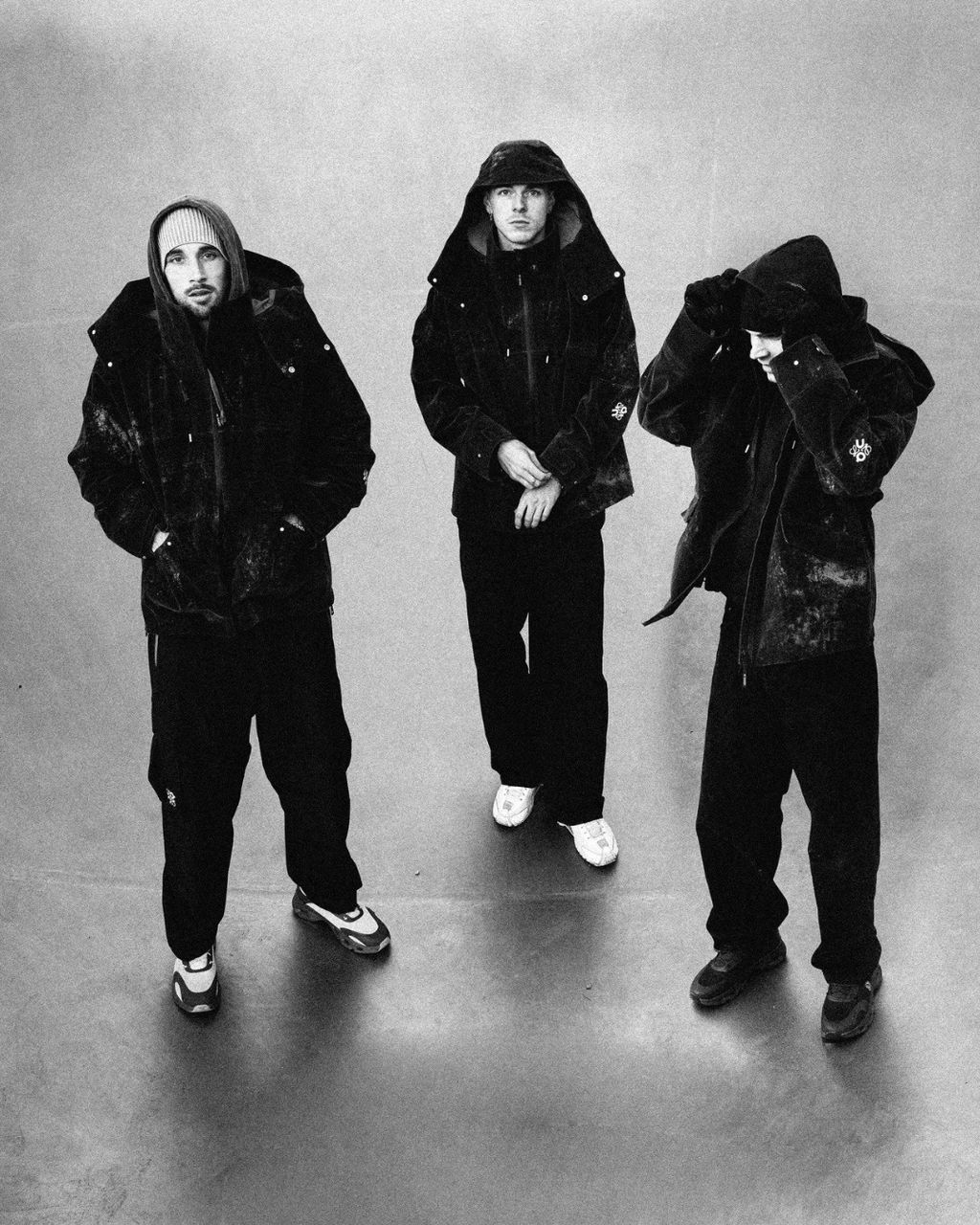
From a modest basement studio marked simply “Room No. 255” in Cologne, Germany, three brothers—Louis (29, filmmaker and director), Guy (25, producer), and Charlie (21, youngest producer)—have emerged as one of the quietly innovative forces in modern Afrobeats. Operating as the collective 255 (pronounced “twofiftyfive”), they function as a complete creative unit blending polished production, emotional depth, raw documentary-style visuals, and genuine cultural immersion. Louis, the oldest, leaned into visual storytelling, documenting moments with a filmmaker’s instinct. Guy and Charlie focused on production, experimenting with textures and rhythms. At the time, there was no grand plan to enter Afrobeats. Just curiosity, and a growing pull toward a sound that felt distant but familiar.
To Nigerian and African audiences, 255 represents something powerful: proof that Afrobeats has become a truly borderless movement. These German brothers followed the sound across continents, earned the trust of the Lagos scene, and now contribute to its future while bringing a fresh “outside-in” perspective that feels authentic.
The Basement Spark: 2017 and the Regeneration Mixtape
The story begins in their family home in Cologne. The brothers have always been close, but music became their unbreakable bond. In 2017, youngest brother Charlie stumbled upon a Nigerian mixtape called Regeneration Mixtape by DJ Magic Flowz. He played the MP3 nonstop, day and night, until the entire family was immersed in the rhythms. What started as curiosity quickly turned into obsession. The trio began experimenting in their basement studio (literally Room No. 255), crafting beats inspired by that sound without any grand plan or genre label.
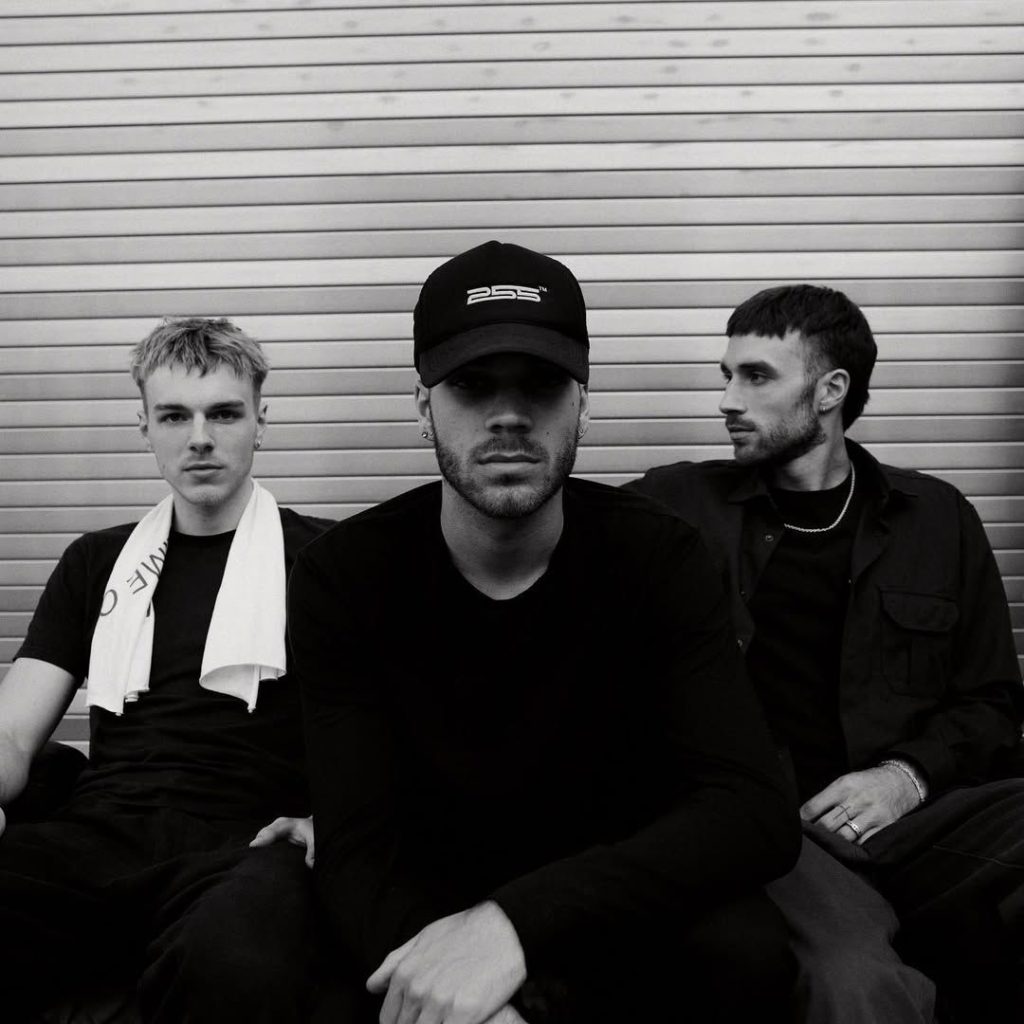
Charlie uploaded some of those early beats to Instagram. Almost immediately, Nigerian artists started sliding into their DMs. The response was electric. In 2021, they booked their first flights to Lagos, turning the room number into their official name. What they didn’t know then was that this trip would change everything and that they would document it raw and unfiltered.
First Touchdown in Lagos: “WHO NO GO NO GO KNOW”
Their 2021 arrival in Lagos is immortalized in the powerful 25-minute YouTube documentary WHO NO GO NO GO KNOW, released in late 2025 on their 255 Music channel. The film captures the nervousness, the cultural immersion, the late-night studio sessions, and the overwhelming warmth from the Nigerian music community. From day one, top producers and artists opened their doors. The brothers were embraced as collaborators. They recorded their debut project, Phase One, entirely in Lagos, laying the foundation for everything that followed.
Nigeria became a second home. They return regularly, staying grounded in the evolving sound while their Cologne base gives them space for experimentation. Louis’s documentary background shines through: their music videos and visuals adopt a raw, real aesthetic—a quiet rebellion against overly staged, glossy visuals. Tracks like “Sha Na” and “Can’t Fake This” feel like extended scenes from the documentary itself.
Breaking Through: Major Placements and Hit Records
From that point, Lagos became a constant. 255’s reputation grew through consistent, high-quality work, followed by a steady accumulation of trust. 255 began working with a growing list of artists across different pockets of the scene. Their production credits stretch across names like Burna Boy “Dey Play”, Zinoleesky “Ferrari”, Victony “BA$TARD DONT BE SILLY” and “A Lot,” Oxlade “Smooth Kriminal”, Minz “Bipolar,” “Sha Na”, Qing Madi, NSG, Joeboy & Bella Shmurda “Control”, Naira Marley & Zinoleesky “Ferrari”, as the Jagaban “Only Me”, Boybreed, Babyboy AV “Kolumbo”, and Moonchild Sanelly.
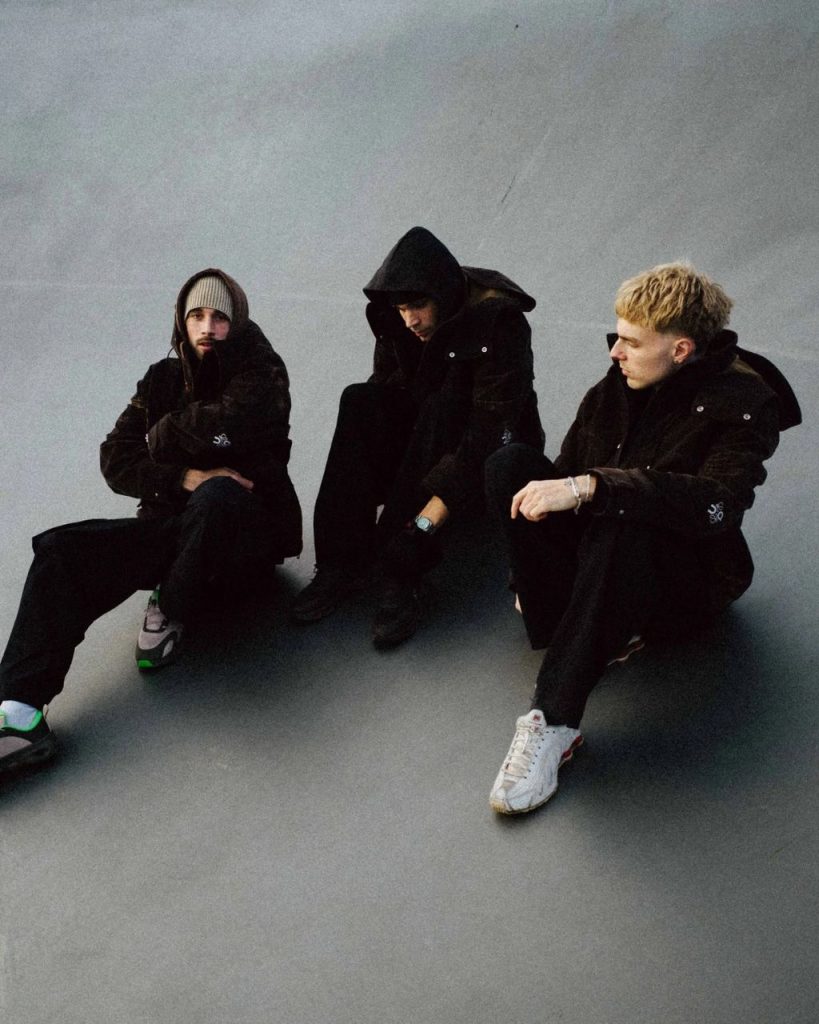
There’s a distinct quality to their sound. It carries the rhythmic backbone of Afrobeats, often layered with a certain restraint of clean arrangements, emotional spacing, and subtle electronic textures.
Projects That Defined Them: Phase One, ODABO, and TRINITY

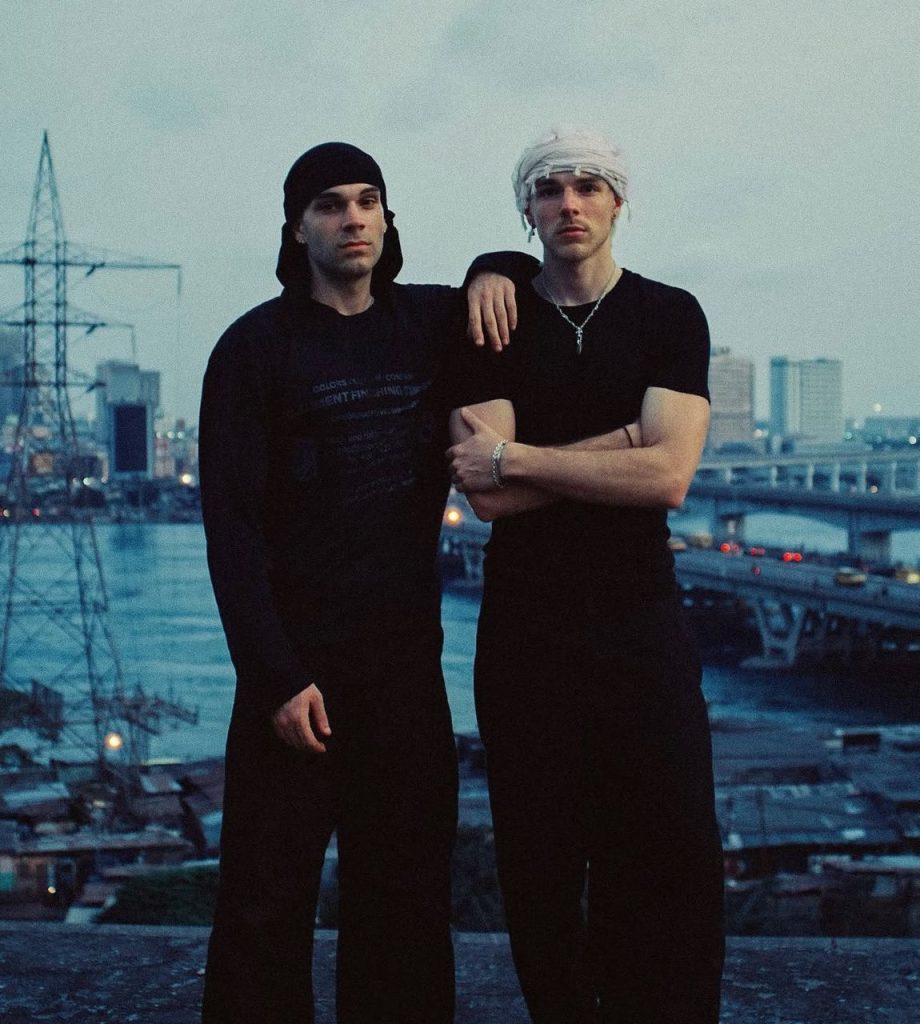
That same approach defines their larger projects. Their debut body of work, Phase One, was recorded in Lagos, grounding their sound directly within the environment that inspired it. Follow-up releases like ODABO continued that thread, while their 2025 compilation TRINITY expanded it, bringing together a wider, pan-African and UK-facing lineup across 13 tracks. The project reads like a map of their network: not just who they’ve worked with, but how far their reach has extended. TRINITY feels like the culmination of their journey: a love letter to the artists and culture that welcomed them.
Signed, Respected, and Building Legacy
255 are signed to SoulForce Records (Germany) and have built genuine friendships across the scene, especially with artists like Minz, who is described as a close friend beyond the studio. They represent the new wave of global producers who borrow Afrobeats and live it, evolving it from both ends of the bridge. Their German precision meets Lagos rawness in a way that feels fresh and respectful.
From Room No. 255 to TRINITY and beyond, 255 proves that when music calls, you follow, and sometimes the world follows you right back home. To the next generation of creatives in Berlin, Lagos, or anywhere in between, their message is simple and powerful. Afrobeats is global, and these brothers are living proof that the culture can answer to everyone who respects and builds it.