CAF Appeal Board Morocco AFCON 2025 Title in 3-0 Forfeit Over Senegal

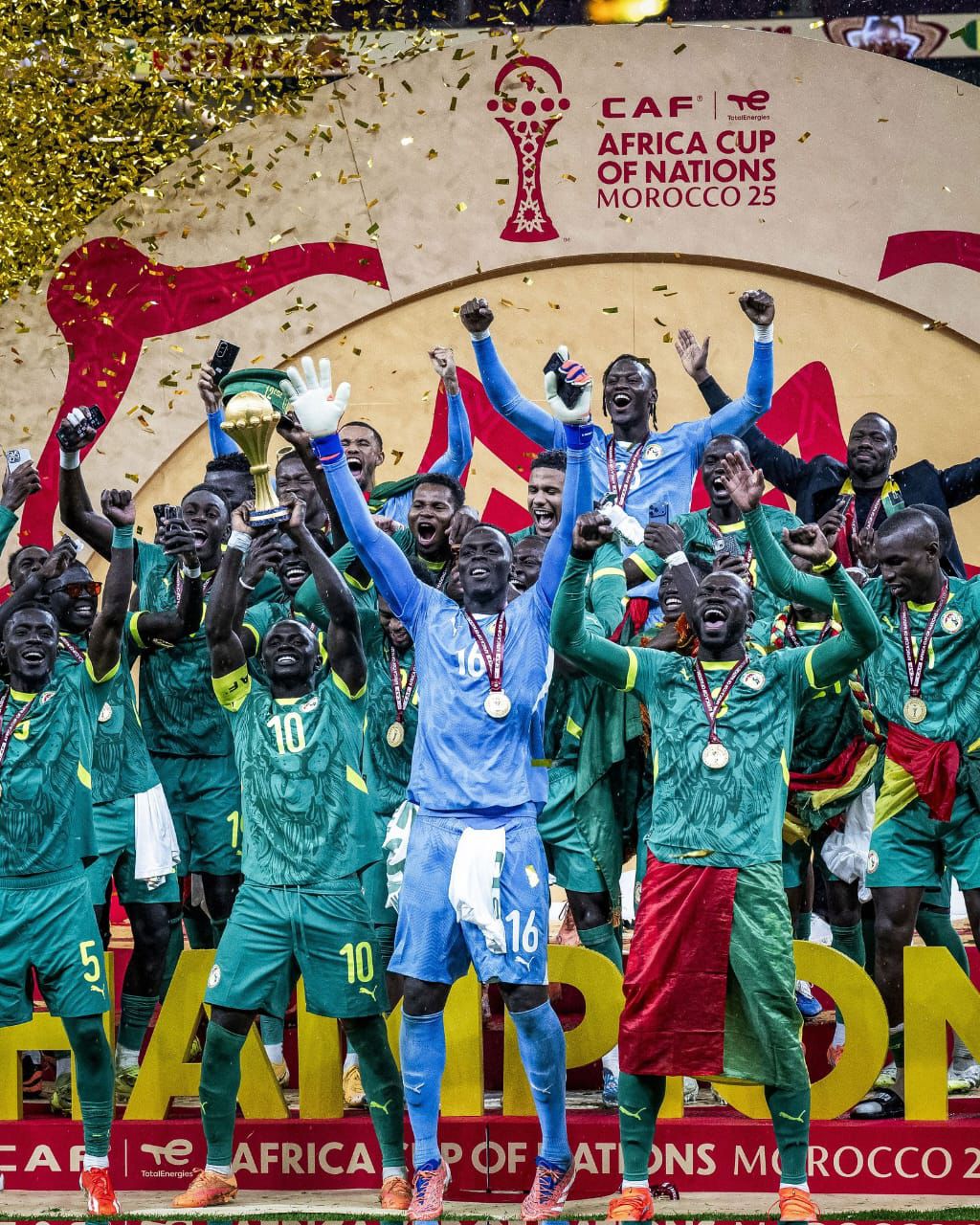
The 2025 Africa Cup of Nations final was meant to settle itself on the pitch. Instead, it stretched beyond ninety minutes, beyond extra time, and into a boardroom decision that has altered how African football may define a result.
When the Confederation of African Football delivered its Appeal Board ruling on March 17, 2026, it did more than change a scoreline. It erased Senegal’s 1–0 victory and awarded Morocco the title via a 3–0 forfeit. A completed final was reopened and rewritten.
The tension around the game did not begin at kickoff. The Morocco national football team entered the tournament as hosts and favourites, carrying the weight of expectation and history. Their last continental triumph came decades earlier, and this was a chance to reclaim status on home soil. The Senegal national football team arrived with a different objective. They were defending champions, built on structure and discipline, chasing continuity rather than redemption.
Off the pitch, there were early signs of strain. Senegal raised concerns about security, logistics, and access in the days leading up to the final. The atmosphere around the fixture carried unease. By the time both teams stepped onto the pitch in Rabat, the game already felt loaded.
The match itself followed a tense rhythm. Senegal controlled stretches. Morocco responded with urgency in the second half. Clear chances came and went. The game edged toward its conclusion without a breakthrough.
Deep into stoppage time, a VAR review led to a penalty for Morocco. The decision was contested immediately. Senegal’s players and bench reacted with visible anger. Within moments, they walked off the pitch in protest. Play stopped for over ten minutes. Officials tried to restore order while the stadium atmosphere grew unstable.
Eventually, Senegal returned. The penalty was taken and missed. The match continued.
Extra time followed. Senegal found the decisive goal and held on. At full time, they were champions again. The match had been completed under the referee’s authority. The outcome appeared settled. It was not.
In the aftermath, Morocco challenged the result. Their argument focused on procedure. Under CAF regulations, leaving the pitch without authorisation constitutes a violation. The claim was clear: the walk-off itself was enough to trigger forfeiture.
CAF’s Disciplinary Board first treated the incident as misconduct. Fines were issued. Suspensions followed. The result remained unchanged. That could have closed the matter. Morocco appealed.
The Appeal Board took a stricter view. It applied the regulations without reference to the match’s completion. Senegal’s temporary exit was treated as abandonment under Articles 82 and 84. The sanction was automatic. A 3–0 loss.
That interpretation reset everything. Senegal’s extra-time goal no longer mattered. The resumed play no longer counted. The final, in legal terms, ended the moment the players left the pitch.
The consequences were immediate. Morocco was declared champion. Senegal were stripped of a title they had already celebrated. The trophy, the narrative, and the record books were all reassigned.
Senegal rejected the decision. Their federation described it as unjust and outside precedent. An appeal to the Court of Arbitration for Sport followed. The dispute moved from football into law.
What remains is the weight of the precedent.

CAF has shown that a match result is not sealed by the final whistle alone. Administrative review can override events on the pitch, even after a game is completed. That expands the reach of post-match decisions. It also places new pressure on teams during moments of protest. Any interruption, even a temporary one, now carries the risk of full forfeiture.
The ruling also reopens questions about authority. The referee allowed the game to resume and conclude. That decision traditionally carries finality. This case weakens that idea. It introduces a second layer of control that operates after the fact.
There is also the question of perception. Morocco, as hosts, benefited from the appeal. Senegal, already uneasy before kickoff, now sees the outcome as part of a wider imbalance. The interpretation of rules may be defensible. The optics remain difficult.
Both realities now exist side by side. One views the decision as strict enforcement. The other sees it as a disruption of football’s natural order.
The 2025 final will not be remembered for the missed penalty or the extra-time goal. It will be remembered for what came after. A match was played, finished, and celebrated. Then it was taken back and decided again.
African football now has to sit with that shift. The line between the game and its governance is no longer as clear as it once seemed.