Asake’s M$NEY Is Bold, Expansive, and Impossible to Ignore

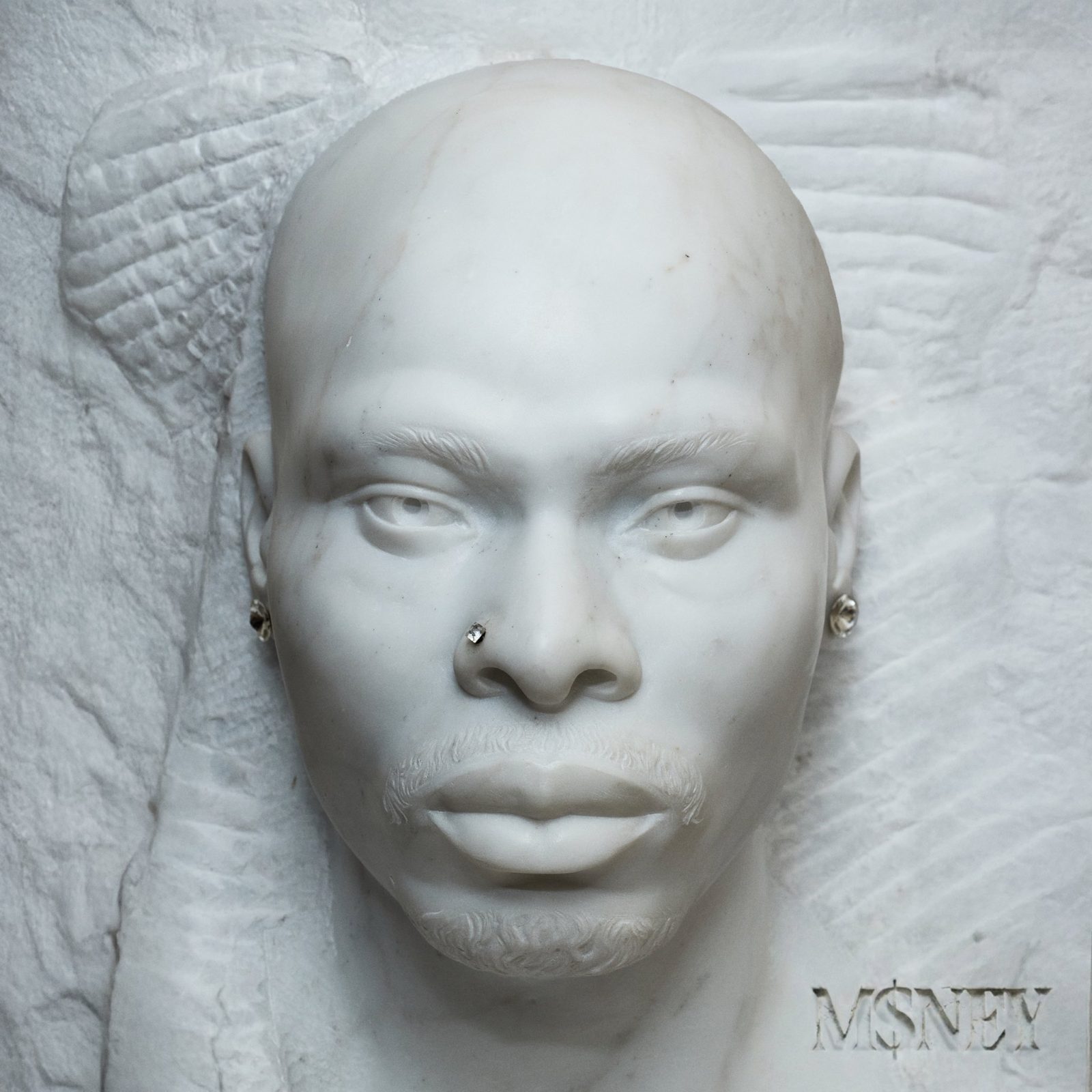
Asake’s M$NEY arrives as a bold, expansive project that reinforces his position as one of Afrobeats’ most self-assured voices. Over its thirty-five (35) minute runtime, the album leans into scale, texture, and ambition, even as it resists a single defining direction.
From the outset, one of the most striking elements is the transition from Intro into Worship. The shift is so seamless that it blurs the line between the two records, giving the impression of a continuous thought rather than separate tracks. It sets the tone for an album that prioritises flow and atmosphere.
Another well-executed transition appears between Amen and WA. It is smooth, intentional, and carefully layered.
Worship and the Question of Conviction
On Worship, the lyric “I’m meant to be here, seeing is believing, it is work no be luck” directly engages with the narrative surrounding Asake’s rise; particularly how his success is often framed as both ambition and anomaly.
It echoes broader cultural conversations, including social commentary that positions Asake less as a conventional benchmark and more as an exception within the industry. That framing speaks to how his artistry is increasingly interpreted: not as a template, but as a case study in individual trajectory.
There is also a deeper symbolic reading often attached to his persona, one rooted in visible commitment to identity and craft.
In that sense, discussions around him tend to extend beyond music into questions of discipline, reinvention, and public image.
A Wide-Ranging Sonic Identity
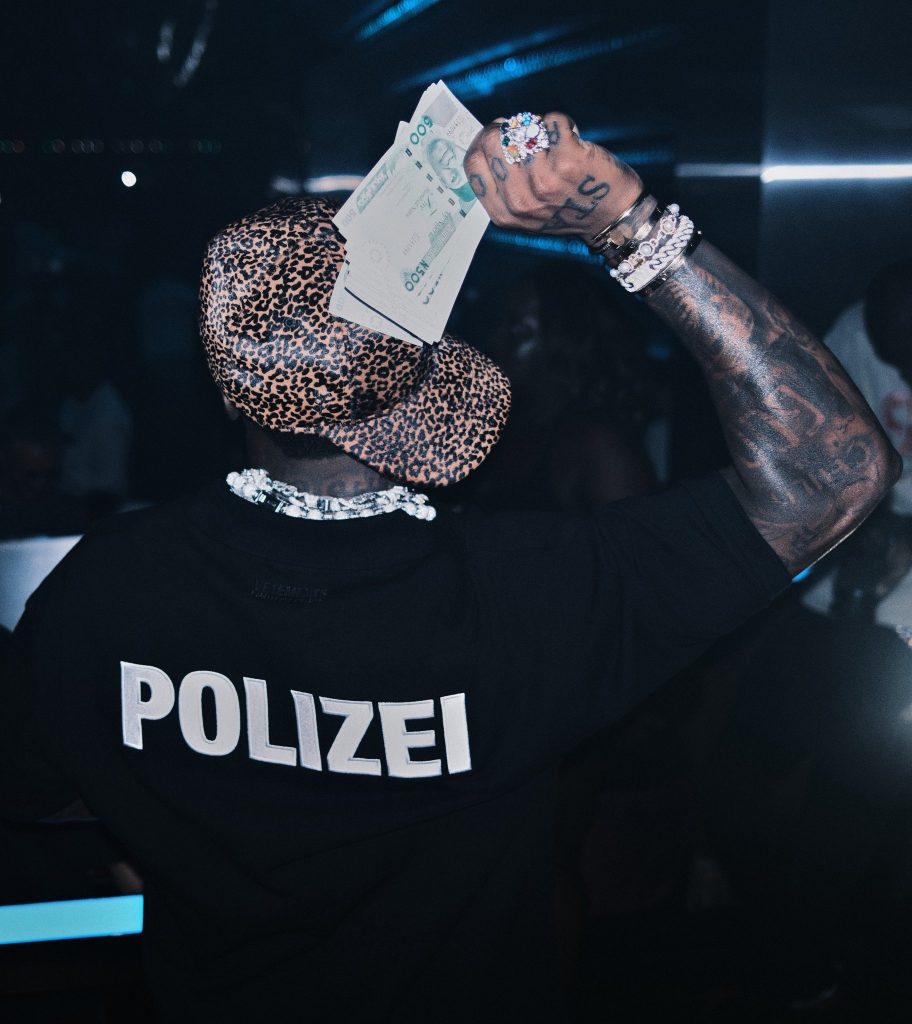
M$NEY is arguably Asake’s most sonically diverse project to date. The album moves across familiar pockets of spiritual-street fusion, amapiano-influenced rhythms, and more experimental Afrofusion textures.
Rather than committing to a single sonic lane, the project explores range and elasticity. Some records remain close to his established sound, while others stretch into less predictable territory, suggesting an artist actively testing the boundaries of his own framework.
One of the more understated but effective moments appears at the end of Rora, where a female vocal sample closes the track. It is a subtle addition, but it leaves a lingering emotional warmth that reshapes the song’s listening experience.
Production vs. Songwriting Debate
Public reception of the album has been mixed, particularly around questions of songwriting versus production dominance. Some listeners suggest the instrumentals carry much of the project’s weight, while others argue this overlooks the structural intent behind the records.
A closer listen reveals a more layered approach. The sequencing, layering, and arrangement choices point to deliberate construction rather than passive reliance on production strength. Even when the instrumentals are dominant, they function as part of the storytelling rather than a substitute for it.
Standout Moments
One of the most impactful tracks on the project is MBCH, which stands out for its emotional intensity and sonic build. It is one of the clearest examples of Asake’s ability to merge rhythm and atmosphere into an immersive experience.
Elsewhere, Forgiveness features a striking trumpet arrangement that shifts the emotional tone of the record, adding a reflective layer that lingers beyond the track itself.
Artistic Positioning and Influences
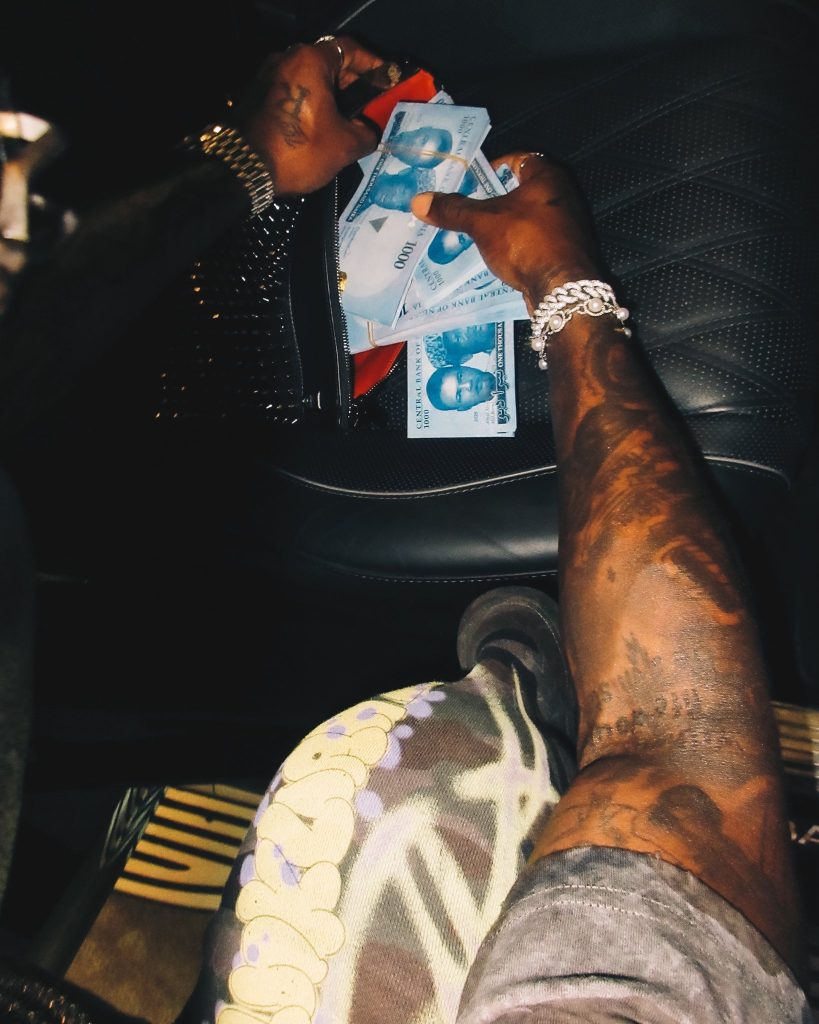
Compared to Lungu Boy, which leaned more into collaboration and external features, M$NEY feels more inward-facing. The project places Asake at the centre, with fewer external voices shaping its direction.

Still, there are moments where sonic echoes of other Afrobeats influences surface. Certain flows and production choices across tracks like Asambe, WA, and Why Love invite comparisons to contemporaries within the genre, whether intentional or interpretive.
These moments do not dilute his identity; instead, they highlight how interconnected the current Afrobeats soundscape has become.
Structural Ambiguity and Artistic Intent
One of the more debated aspects of the album is its lack of a singular, clearly defined concept. Unlike earlier projects with more direct thematic framing, M$NEY spans multiple moods and directions without committing to a single narrative spine.
That ambiguity can be read in two ways: as a lack of focus or as intentional openness. In many ways, the project feels designed to exist in that tension, structured enough to hold together, but fluid enough to resist strict categorisation.
Final Impression
Ultimately, M$NEY reinforces Asake’s position as an artist comfortable with scale and unpredictability. It is not a project built around neat resolution but around movement, texture, and evolving identity.
It is a body of work that demands attention not because it is easily defined, but because it resists being simplified.
Final verdict: 8/10.