Seun Kuti vs Wizkid FC Clash, Sparking Debate in Nigerian Music

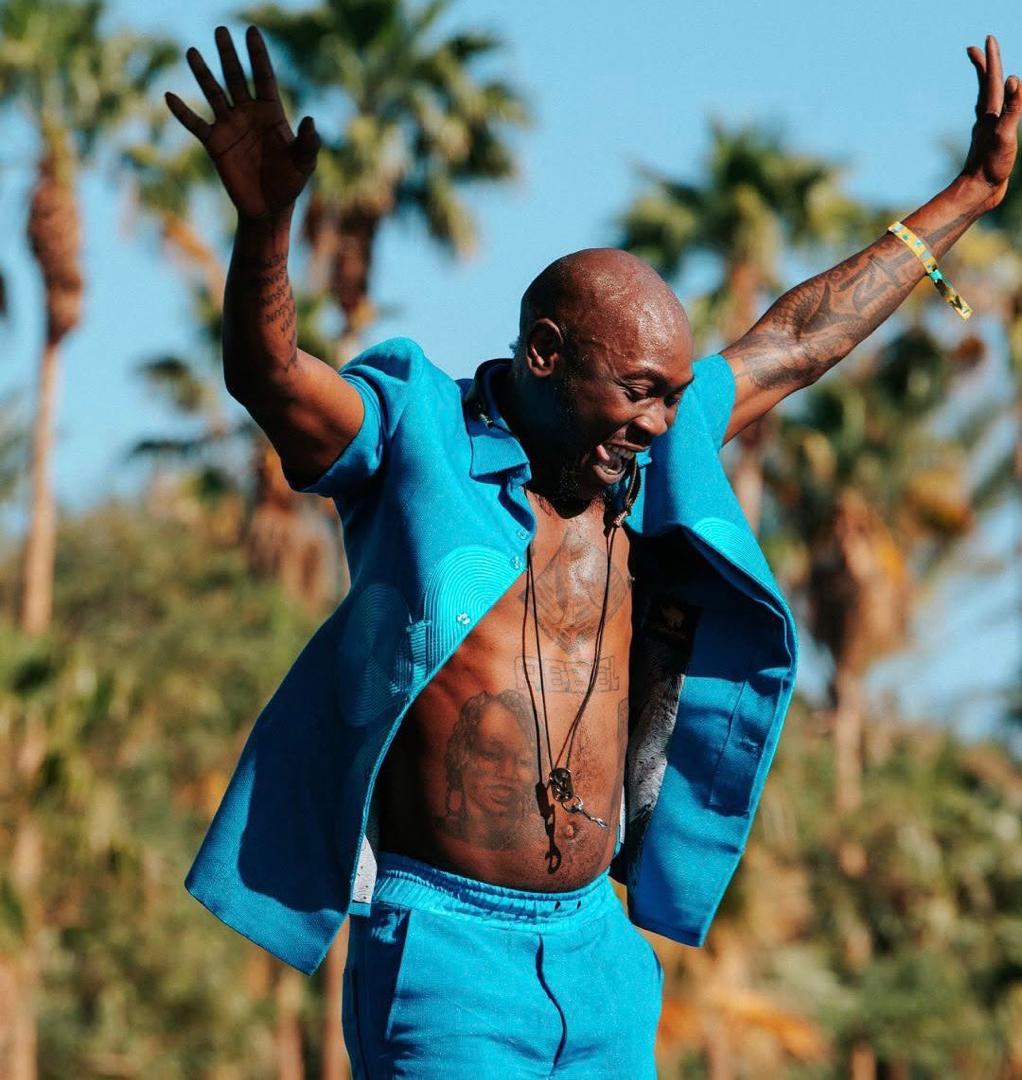
Nigerian Afrobeat star Seun Kuti has sparked one of the most talked-about controversies in the local music space this week, igniting fiery exchanges with supporters of global Afrobeats star Wizkid and drawing fresh attention to debates about legacy, respect, and fan culture in Nigerian music.
At the centre of the storm is Seun Kuti’s insistence that comparisons between Wizkid and his late father, Afrobeat pioneer Fela Anikulapo-Kuti, are disrespectful. During a recent Instagram livestream, the Afrobeat artist—son of Fela and leader of Egypt 80—warned Wizkid FC against labelling Wizkid as the “new Fela” or insinuating that he eclipses the legendary icon, calling such parallels ignorant and inappropriate given Fela’s deep roots in music and activism.
Seun’s frustration didn’t stop there. A fan suggestion that he drop his long-time moniker “Big Bird”, partly because Wizkid is popularly referred to as the “Biggest Bird”, triggered an impassioned response from Kuti, who insisted he coined the name first and urged fans to “tell your favorite to be original.”
The exchange quickly became symbolic of broader tensions between legendary-era Afrobeat custodians and today’s Afrobeats stars. Seun argued that constant comparisons erode Fela’s enduring legacy, one rooted not just in music but in political activism and cultural revolution, and said he was defending that history against what he views as superficial fan narratives.
Adding fuel to the fire, Kuti revealed during his livestream that he recently received about $120,000 tied to his father’s legacy, using that as an example of how deeply Fela’s cultural impact still resonates decades after his death.
Reactions have been mixed. Many social media users and cultural commentators have backed Seun’s stance, arguing that historical icons deserve contextual respect and that comparisons can dilute the uniqueness of past achievements. Others, including vocal members of Wizkid FC, have dismissed the remarks as unnecessary or inflammatory, with some suggesting fans naturally reflect enthusiasm by drawing parallels between generations of stars.

Interestingly, as of now Wizkid himself has not released a direct public response to Seun’s comments, though the issue has trended widely across entertainment forums, spotlighting both the power of fandom dynamics and the ongoing discourse on heritage and influence within Nigerian music.
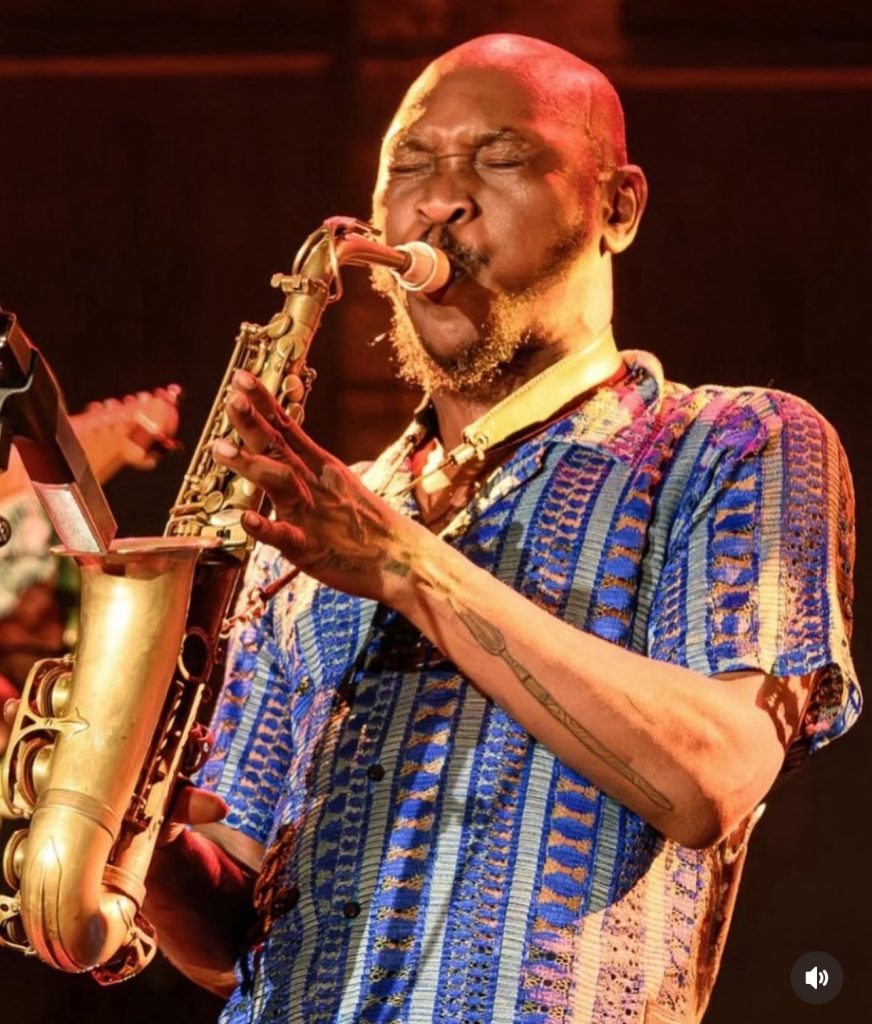
As the conversation continues online, it is clear that this is a sparring match rooted in how fans, artists, and culture-bearers navigate respect for legacy in an era where global recognition and digital influence shape reputations almost as much as music itself.