Angelique Kidjo, Fally Ipupa, Libianca, Black Sherif and More on New Music Friday


There’s always a rhythm to Fridays, but some arrive with a little more intention. This week’s New Music Friday leans into feeling—records that don’t just fill space, but carry weight in how they’re built and how they land. From quiet reflections to measured grooves and moments of soft intensity, the music settles rather than shouts, unfolding at its own pace. While some artists are playing it safe with polished playlist bait, others are quietly sharpening their blades for bigger moves ahead.
Aye Kan (Are You Coming Back?) — Angélique Kidjo feat. Ayra Starr
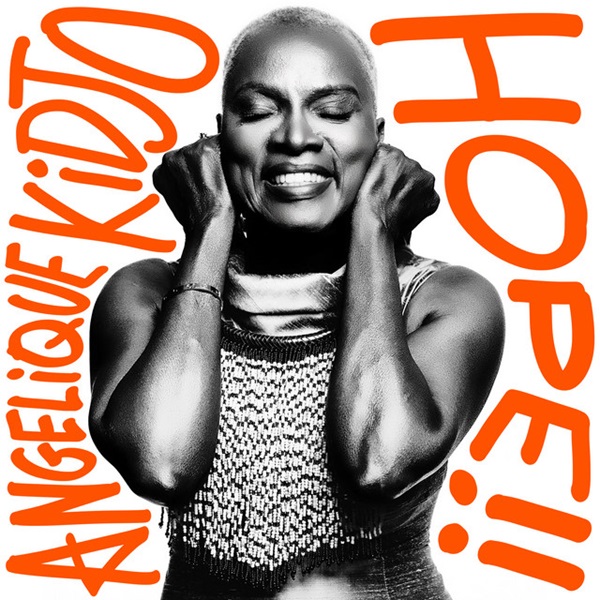
Angélique Kidjo feat. Ayra Starr is the lead single from Angelique Kidjo’s upcoming album ‘Hope!!’ due for release on April 24. It’s a three-minute Afrobeats-tinged pop track produced by Louddaaa, with guitar from Femi Leye, saxophone from Bishop Sax, mixing by Johnny Drille, and a clean, professional polish that screams “playlist-ready single”.
The song is built around a repetitive, seductive hook that Ayra Starr and Angelique Kidjo trade: “My body now… Egovina… Fire killer, pretty like Sabina / Are you coming back or what?” It’s straightforward lover’s plea territory—missing someone, offering love “like you never had,” mixing English pidgin with Yoruba slang (“acha kiser,” “achika wey don karashika”). Angelique Kidjo handles the refrain in Yoruba: “Awon kan jaiye, awon kan ti ma jawaya / Awon kan b’owo, awon kan ti ma jafafa / Aye kan lowa o.” That last line—“Aye kan”—is the title’s core. In Yoruba it roughly means “life is one” or “one life”, a blunt reminder that some people enjoy, some suffer, some stack money, some blow it. Live fully because there are no do-overs.
That philosophical layer is the only part that rises above generic romance. The rest is the usual Afrobeats formula: rubber-band money talk, “mad vibe when we link up,” lover-and-fighter duality. Nothing wrong with it, but nothing that feels urgent or new. Ayra Starr’s verses are smooth and contemporary—her signature breathy, slightly husky delivery fits the mid-tempo groove. Angelique Kidjo’s voice still carries weight and texture that no 25-year-old can match, but here it’s mostly used for colour and harmony rather than commanding the track the way she does on her heavier material.
Production-wise it’s competent but safe. Live guitar and sax give it a bit of organic warmth. Louddaaa’s programming keeps the beat bouncy without clutter, and the mix is radio-clean. It sounds exactly like what you’d expect from a cross-generational collab marketed as “legend meets Gen-Z star”: bright, danceable, culturally respectful enough to feel elevated, and commercial enough to chart.
Context matters. Angelique Kidjo, five-time Grammy winner and one of Africa’s most respected voices for decades, has spent her career fusing Beninese traditions with jazz, funk, and global sounds while actually saying something about politics, women’s rights, and the continent. Ayra Starr is the current it-girl—polished, photogenic, streaming numbers through the roof—with a sound that sits comfortably between Afrobeats and international pop. They share Yoruba roots and Benin connections, so the pairing makes biographical sense.
“Aye Kan” exists within the emotional architecture of ‘Hope!!’, a deeply personal body of work from Kidjo, shaped by themes of resilience, memory, optimism and dedicated to her late mother.
Solar — Darkoo, Ruger
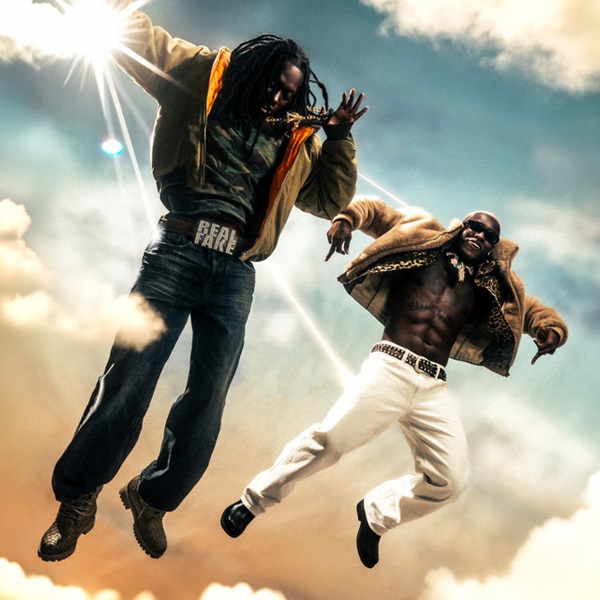
The “2026 summer” positioned anthem, ‘Solar’ by Darkoo featuring Ruger, is a breezy, mid-tempo Afrobeats cut clearly aimed at summer playlists. It blends Darkoo’s smoother UK-inflected delivery with Ruger’s more energetic, dancehall-tinged Afro-pop style.
The track opens with light, sunny production—bouncy percussion, warm synths or guitar lines that keep things floating without getting too dense. It stays in that comfortable club-ready zone: not too aggressive, not too slow, designed for dancing or background vibes at a party. The beat has a gentle bounce that feels like a lighter version of current Afrobeats trends, mixing in subtle trap or drill-adjacent edges from Darkoo’s side without fully committing to either.
Lyrically, it explores romantic/sexual flexing. Lines like “Uh baby oooo / Baby hello / Bring it to the owner / Tonight in I one dey sober / Body shape like…” set the tone—compliments on the girl’s looks, promises to be there when called (“When you need me, call me / Just tell me when you want me / I’ll be right there shawty”), and that repeated “Go shawty” hook. It’s playful, confident, a bit boastful, with pidgin and English sliding together.
Ruger brings his usual swagger and melodic flow; Darkoo keeps it smooth and laid-back. The chemistry is decent—they trade verses and ad-libs without clashing, sparking something electric and deeply memorable. His verse is unapologetically about attraction, availability, and turning up the heat. The title “Solar” probably nods to the sunny, radiant energy they’re going for, hot girl, hot vibes, and summer heat, which intersects with a feel-good branding.
Production is clean and functional. It has that polished, radio/streaming-ready sound with enough groove to move that makes it stand out from dozens of today’s releases. The mix is tight, and the hook is repetitive and sticky enough to lodge in a listener’s head after a couple listens.
With ‘Solar’, the pairing makes sense for cross-appeal—UK/Nigerian energy meeting mainline Afro-pop. In practice, it delivers exactly what you’d expect from the names and the promo photos: stylish, flirtatious, playlist fodder. This is a competent, harmless summer single. The hook works, the beat is pleasant and both artists find a chemistry that works.
Popstar — Black Sherif
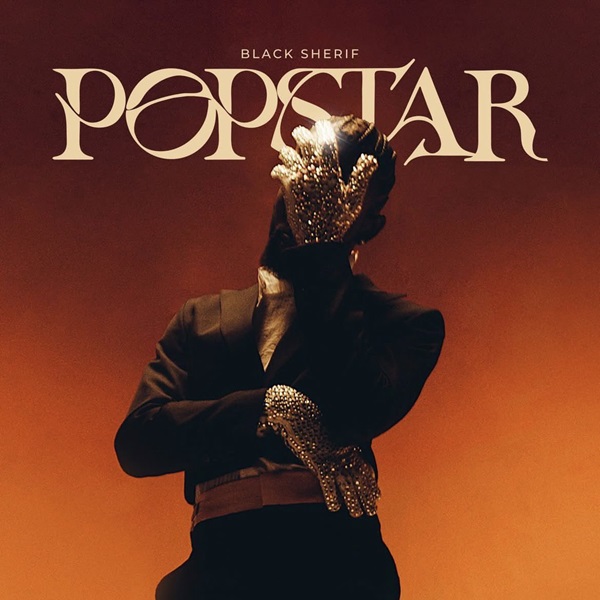
Black Sherif’s “Popstar” arrives as his first single of the year, marking the official close of the ‘Iron Boy’ chapter and the start of something he’s framing as a new era. Produced by his long-time collaborator Joker Nharnah, it runs in that familiar Black Sherif lane: melodic rap-singing over melancholic production that blends Afrobeats grooves with subtle hip-hop edges and Ghanaian highlife inflection. “Popstar” sees Black Sherif mix introspection and bravado—talking grind, charisma, ambition, and stepping into a “popstar” persona he says he envisioned before blowing up and moving to Accra. This one feels like a deliberate reset, with tinges of the heavy street-sad-boy weight that defined early hits
With Black Sherif, the story is never just the music. It’s the tension beneath it—the push between who he was, who he is, and what the world now expects him to be. “Popstar” sits right in the middle of that conflict. The record opens with a tone that feels reflective but not defeated. There’s a quiet urgency to it, like someone thinking out loud but aware that the world is listening. Sonically, it leans into a stripped, emotive palette—nothing overly embellished, just enough to carry the weight of his voice. That voice remains the anchor: raw, slightly strained, and deeply human.
“Popstar” as a concept is loaded. It suggests arrival, status, and visibility. But in Black Sherif’s hands, it feels both like a question and a declaration. What does it mean to be seen this much? What does it cost to carry that image? He doesn’t romanticise it. If anything, he pokes at the edges, revealing the pressure that sits beneath the surface. Lyrically it stays autobiographical and motivational in his style—personal reset, evolution, and owning the spotlight, digging as deep into the pain, loss, or raw vulnerability reminiscent of tracks from an album like “The Villain I Never Was”.
The hook and delivery have replay value; his voice still has that distinctive husky, emotive texture that switches between rap flow and melodic singing without losing grit. Production is clean, functional and matches his soulful delivery. There’s a familiarity in how he approaches this—fans of his earlier work will recognize the introspection, the blurred line between vulnerability and defiance. But here, it feels more refined.

Cinema — Fally Ipupa
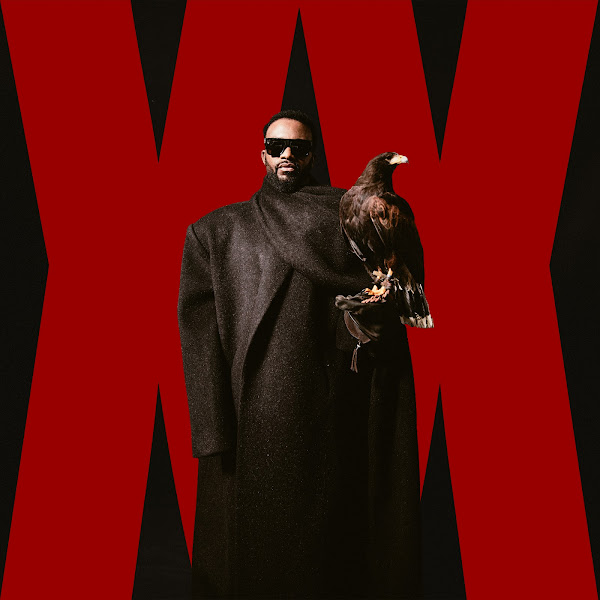
There’s a certain elegance Fally Ipupa brings to music that feels almost effortless, like he understands exactly how much to give and when to pull back. “Cinema” by Fally Ipupa arrives as the latest single ahead of his album ‘XX’, set ofr release on April 17. The album is positioned as a romantic, sophisticated ballad that leans into classic Congolese rumba DNA with modern polish—smooth melodies, emotional delivery, and that signature Fally Ipupa croon that has carried him through two decades as one of the biggest voices in Central African music.
The record leans into love, but not in a way that feels overstated. It is measured, intentional, and styled with the kind of finesse that has long defined his artistry. The core idea is straightforward: love as cinema. The relationship plays out like a movie—dramatic scenes, intense emotions, highs and lows that feel scripted yet deeply real. The production is lush, controlled, and built on smooth rhythms that carry a gentle sway, allowing the song to breathe with a sensual undercurrent running through it. “Cinema” carries a “beautiful melody” with cinematic flair, using the metaphor to paint a passionate, almost theatrical love affair. Vocally, Fally Ipupa remains as assured as ever. His delivery glides, never forcing emotion but letting it sit naturally within the melody. There’s a storytelling quality to it, like each line is part of a larger frame. Production stays in that refined, mid-tempo rumba lane—gentle guitars, subtle percussion that nods to traditional Congolese soukous/rhumba, layered harmonies, and a clean mix that feels expensive.
Fally Ipupa is in victory-lap mode. XX marks 20 years of his solo career, he’s headlining Stade de France in May, and he’s consistently one of the most streamed Francophone African artists. He’s evolved from rawer rumba roots into a global-facing star who can still deliver the emotional core that built his fanbase in the DRC and across the diaspora. “Cinema” feels like a safe, classy choice to whet appetites for the full album—romantic, accessible, and true to the “El Mara”/king-of-rumba image without alienating the core audience that wants melody. Instead, it settles into a soft groove that mirrors the intimacy the song is trying to capture. “Cinema” sits in that pocket of records that prioritize mood and longevity over immediate noise, by drawing in a listener slowly, frame by frame.
I Believe in Better — Libianca
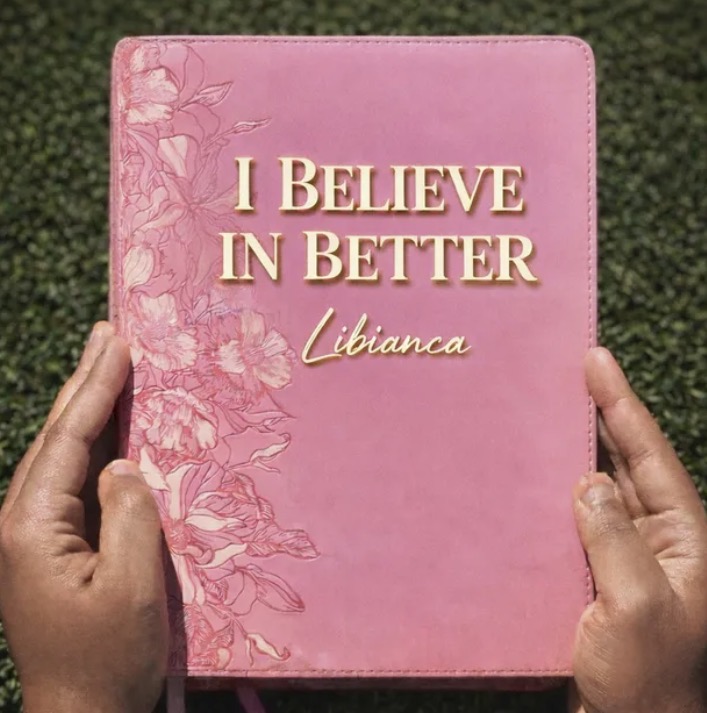
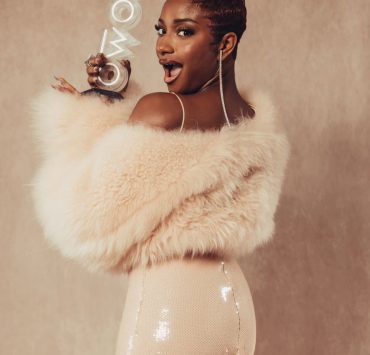
“I Believe in Better” by Libianca drops today as a straightforward, faith-tinged Afropop / Afro-soul anthem. It’s positioned as motivational encouragement for anyone in a tough season, trusting that brighter days are ahead and holding onto resilience and faith when life feels heavy. There’s a softness to Libianca’s music that often carries more weight than louder expressions ever could. On “I Believe in Better”, she leans fully into that space, where vulnerability is fragile, steady, loud, and intentional.
The song leans into positive affirmation territory: lines about walking into a better season, believing even when things don’t make sense, faith over fear, and not giving up because “better is coming”. It draws from her own history of mental health struggles (cyclothymia) but flips it toward hope and forward movement rather than sitting in the pain. The chorus hits with that repeated, sing-along declaration—“I believe in better”—simple, repetitive, and built for communal sing-alongs. The production is stripped to its emotional core, built on delicate progressions that give her voice room to exist without distraction. Each note lingers just enough to settle, allowing the message to land with a mood that feels familiar in her catalogue. Libianca stays in her wheelhouse: warm, soulful tone with gentle runs and emotional texture that feels intimate.
On the “I Believe In Better”, Libianca remains controlled, almost meditative. She leans into clarity, allowing the simplicity of her delivery to carry the depth of the message. It’s that balance—between softness and strength—that continues to define her artistry.
For New Music Friday, this is one of those records that meets you where you are, inviting listeners attention. And in that invitation, “I Believe in Better” becomes a quiet affirmation, one that understands that sometimes, choosing hope is its own kind of resistance.
LISTEN TO THE FULL NEW MUSIC FRIDAY PLAYLIST BELOW