Nigerian Fashion Brands Redefining Style

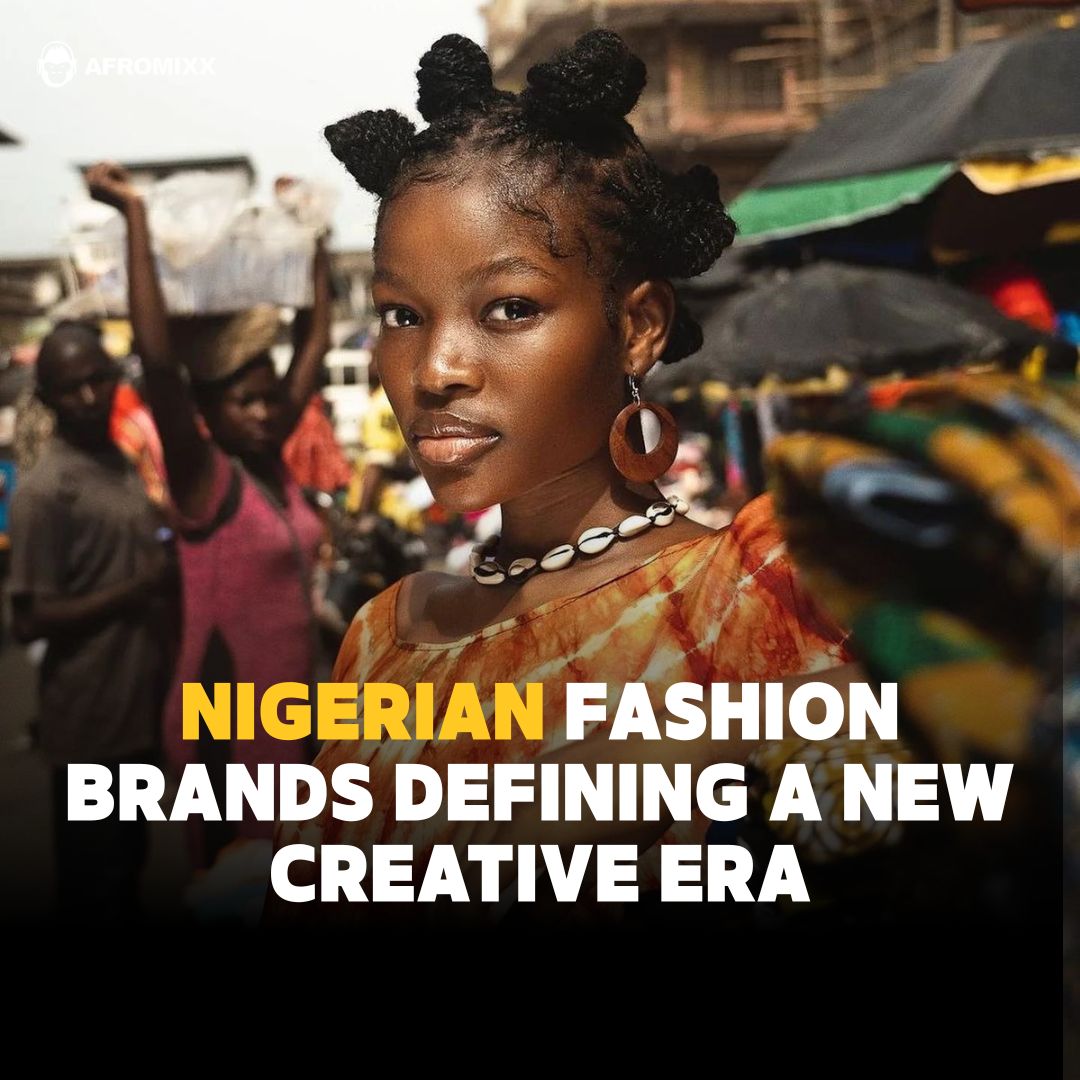
One of our favourite things about the Nigerian fashion space right now is how much is being reworked in real time.
You see it in the way people dress, in the kinds of brands that are showing up, and in the references that people draw inspiration from.
What particularly stands out is how different everything feels, even within the same space. The ideas, the aesthetics, and the intentions behind them don’t all look or move the same.
It’s not just about clothes anymore. There’s a lot of thinking behind what people are making, and you can feel it.
Here are six brands sitting at the center of that shift:
Ivory Afrikaan
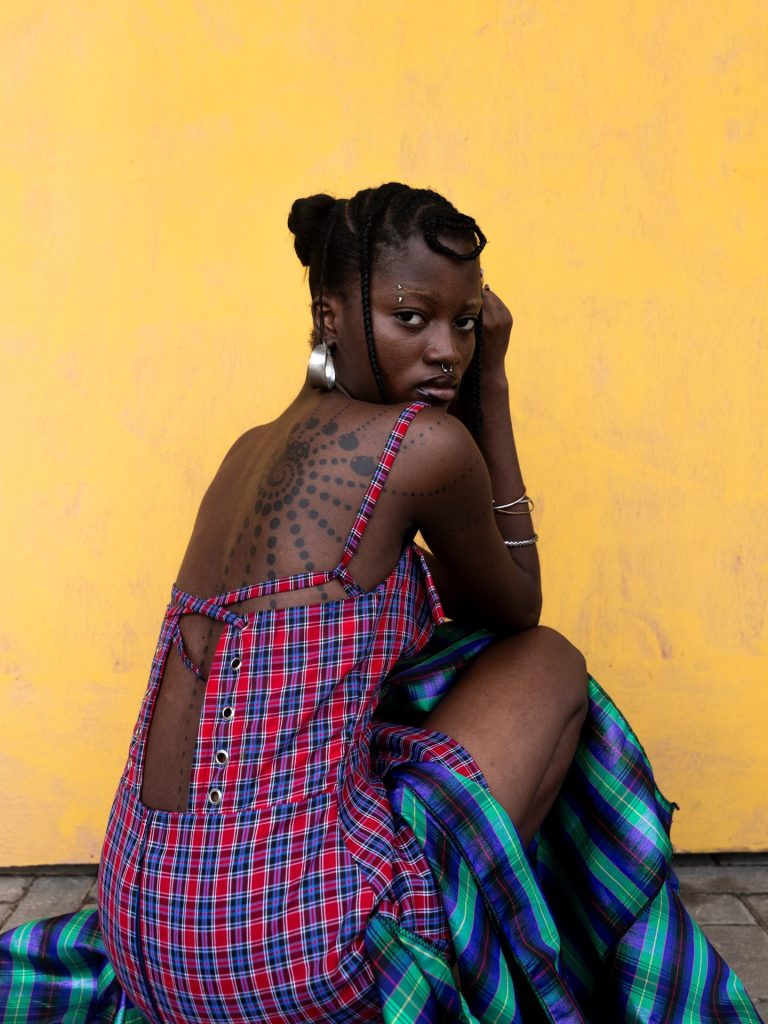
Founded by Precious Jahdeal Joseph, Ivory Afrikaan leans into minimalism. There’s a restraint to the designs, but it doesn’t come across as a lack.
Most of the pieces sit comfortably in that space between everyday wear and expression. Simple, but not basic. Feminine, but not predictable.
The vision is clear: clothing that centres women without excess, while still allowing for individuality. In a space that often rewards boldness, Ivory Afrikaan chooses control, and that choice is what makes it stand out.
Ndiiche
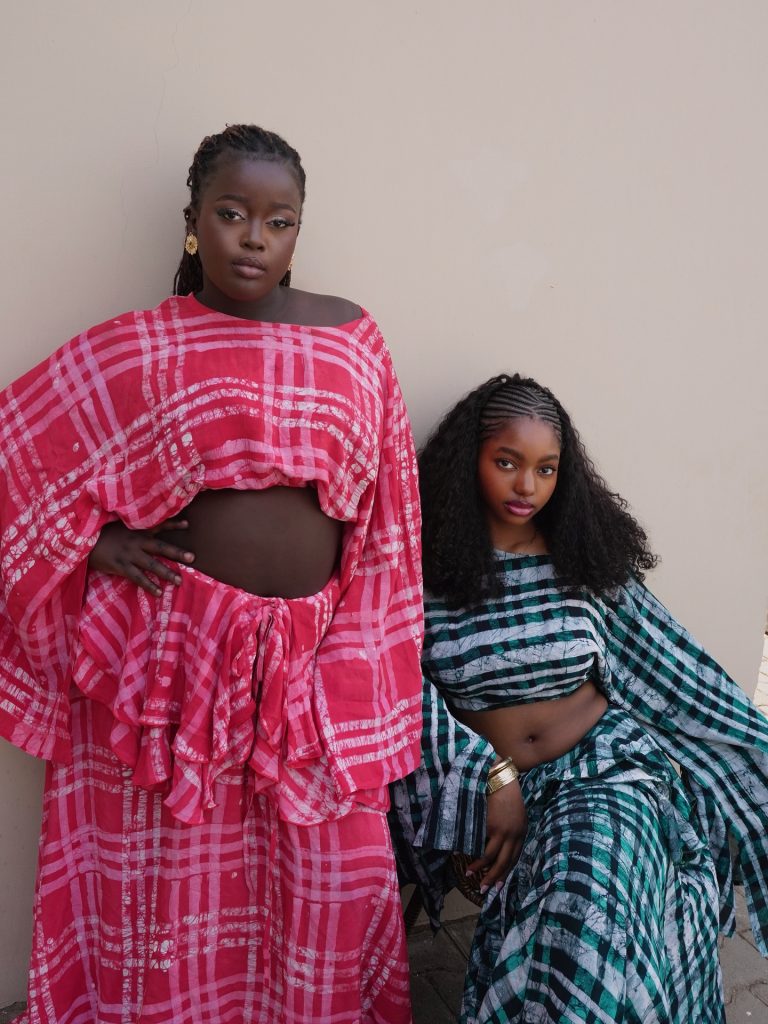
Founded by Alexandra Obochi, Ndiiche is built around the idea of visibility.
The name itself translates to “different people,” and that idea carries through everything the brand does. From its Lagos Fashion Week SS26 debut to its inclusion in the GreenAccess2025 cohort, Ndiiche has been deliberate in positioning itself at the intersection of culture and inclusion.
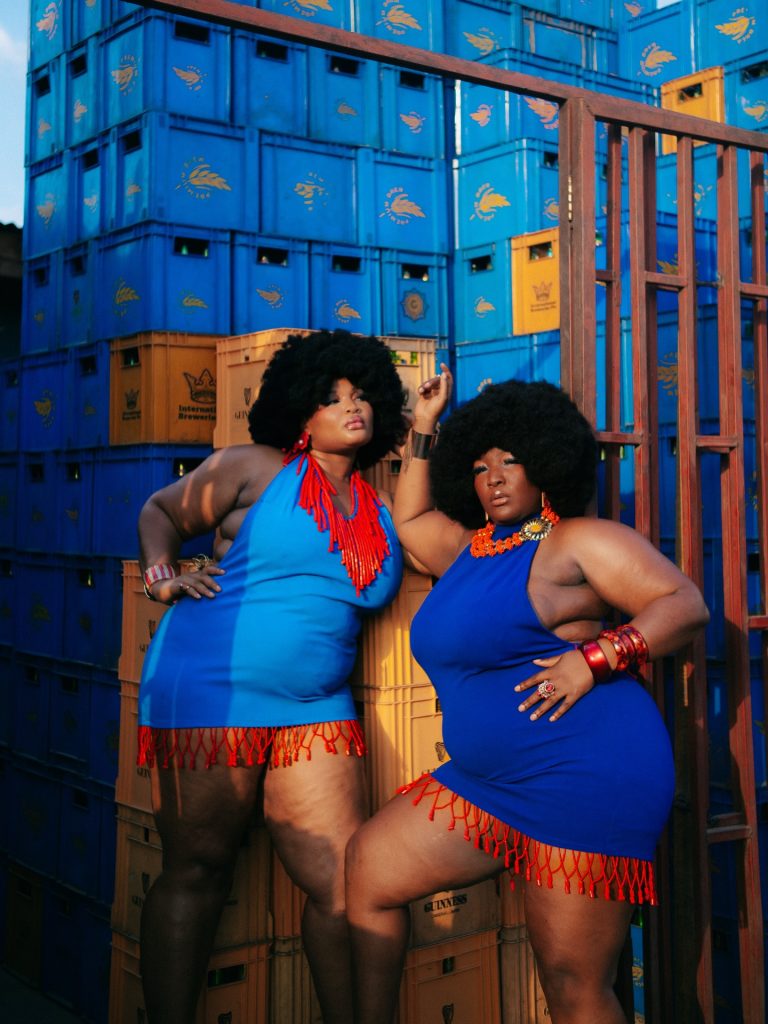
Known for using plus-size models and describing itself as a fatshionista brand, ndiiche is also particular about spotlighting fat bodies, and it is refreshing to see.
The pieces are striking: repurposed denim, upcycled cotton, batik work, and hand beading. The silhouettes are bold, sometimes unexpected, but always grounded in intention.
There’s a strong cultural thread running through the work, particularly in how Igbo identity is explored and reinterpreted.
Malité
Founded by Oluchi George, Malité sits in a space defined by precision.
The brand leans into structure, but in a way that still feels soft and wearable. There’s a focus on clean tailoring and pieces that feel considered rather than decorative. The designs rely on cut, fit, and subtle detailing to do the talking.
There’s also a consistency in how the brand presents itself visually; minimal, intentional, and very chic.
In a space where emerging labels are experimenting loudly, Malité moves differently. It doesn’t compete for attention.
Pith Africa
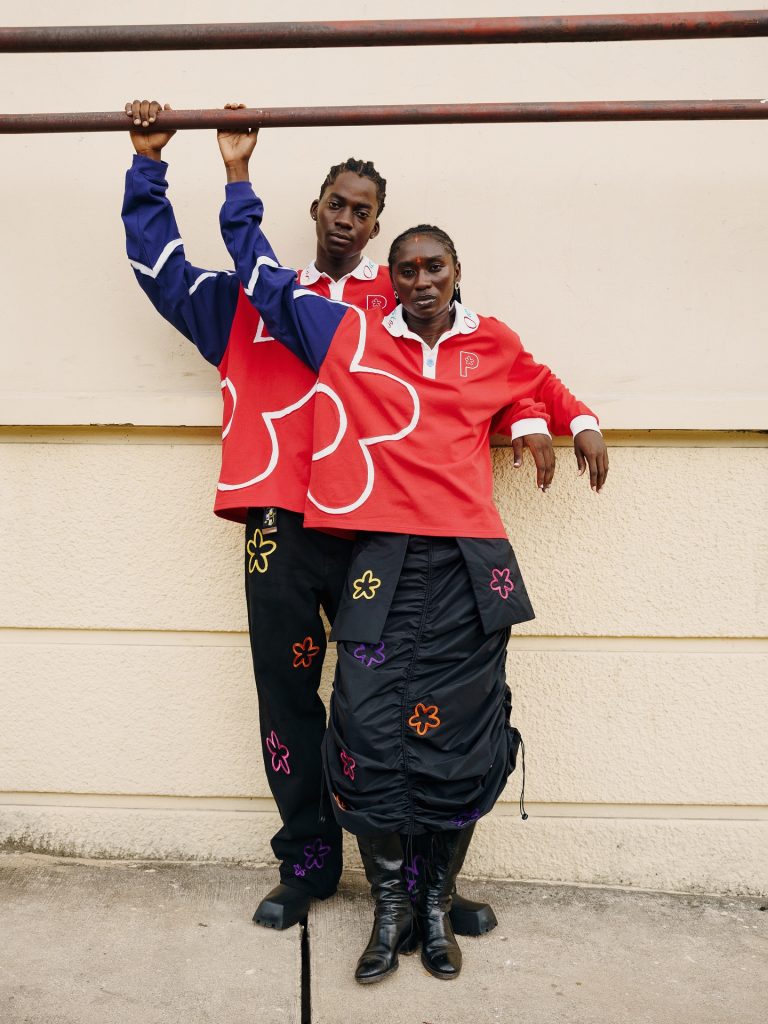
Founded in 2020 by Cosmas Ojemen, Nez Anazodo, and Adedayo Laketu, Pith Africa grew out of a shared interest in youth culture and creative expression.
Since then, it has expanded beyond Lagos into cities like Accra, Nairobi, and Johannesburg, building a Pan-African presence.
The brand sits comfortably within streetwear but doesn’t feel limited by it. Its pieces — graphic sets, layered fits, gender-fluid silhouettes — carry a sense of ease that makes them immediately relatable.
At the same time, there’s a clear intention behind how everything is presented. Pith isn’t just interested in documenting youth culture; it’s actively participating in it.
Meji Meji
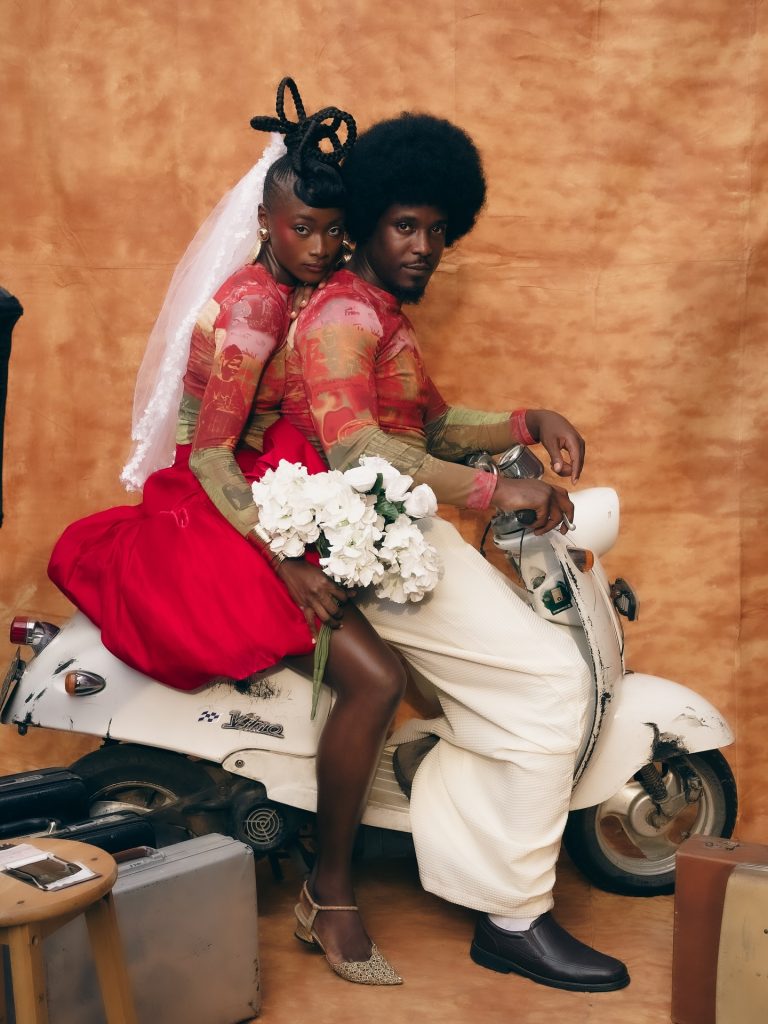
Founded in 2020 by Tolu Oye, Meji Meji is one of the more defined voices within this space.
Everything about the brand is rooted in memory. It brings a twist to nostalgia by not just looking backwards, but reworking the past into something wearable now.
The references are specific: family archives, Highlife, Fuji, Nollywood, and everyday Lagos life. You can see it in the pieces: graphic tees, fitted dresses, bucket hats, fabrics that remind you of a different time.
There’s also a strong sense of movement around the brand. Pop-ups across Lagos, New York, Paris, and South Africa. Features in global publications. A growing community that understands what it’s doing.
At its core, Meji Meji is about telling stories and making sure they travel.
HBRS
HBRS sits firmly within the current wave of Nigerian streetwear, where fashion and digital culture feed into each other.
The brand has been building momentum through drops like the House Party SS26 edit, with pieces that feel immediate and attention-grabbing.
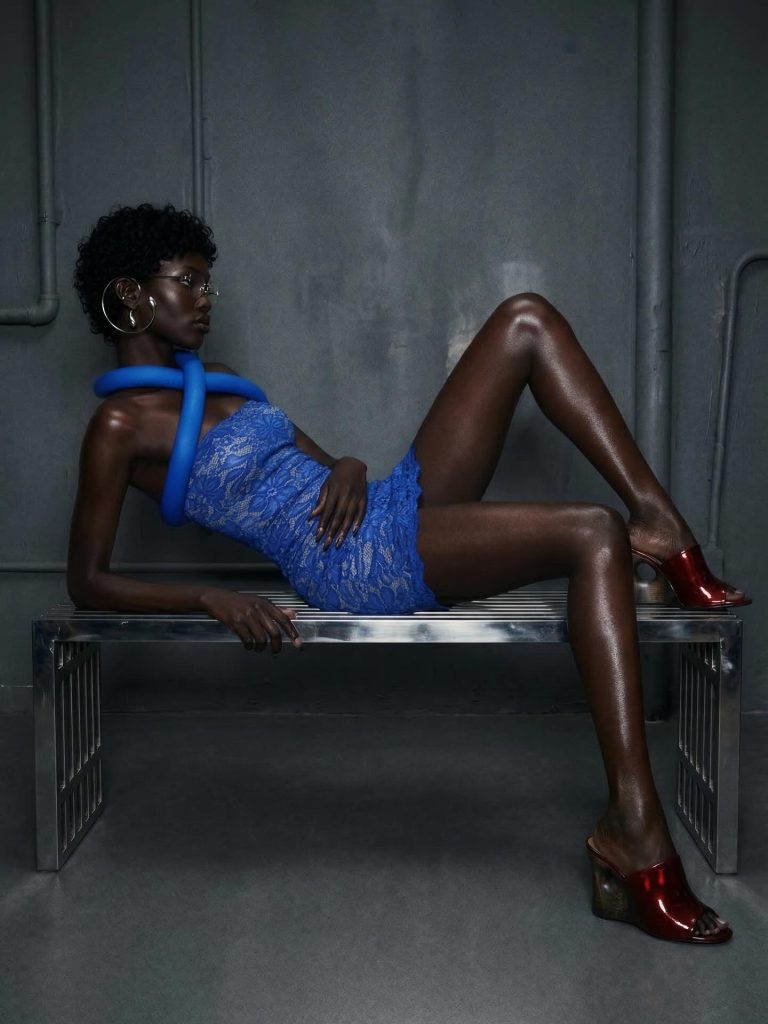
Sculptural dresses, strong silhouettes, statement looks — everything is designed to be seen.
But beyond that, there’s a clear understanding of how fashion works now:
Visibility, community and recognition matter.
HBRS understands this and leans into it fully, using clothing to make a statement.
What This Means for Nigerian Fashion
Looking across these brands, there isn’t one single direction.
Different approaches, different aesthetics, different priorities all exist at once, without needing to resolve into a uniform idea of what Nigerian fashion should be.
What connects them is intention.
There’s a level of awareness in how these brands are being built and positioned.
It feels less like people are trying to fit into something and more like they’re just building.
It’s an exciting moment for Nigerian fashion, and it’ll be interesting to see how it continues to unfold.