Inside Asake’s One-Night-Only M$NEY Concert With Spotify

The grand old Theatre Royal Drury Lane doesn’t usually host Afrobeats nights. Its red velvet seats, gold-leaf detailing, and sweeping balconies were built for opera and West End musicals. On Sunday, June 21, 2026, the place was filled instead with a few hundred of Asake’s closest people — friends, family, and his highest-streaming Spotify listeners in the UK — for something smaller and sharper than any arena show. No big announcement nor open ticket sale, just an invite-only evening built around the first full live run of ‘M$NEY’ since it dropped on May 4, with Spotify filming everything for a concert film that’s due on the platform in the coming days.
The Room Before the Music
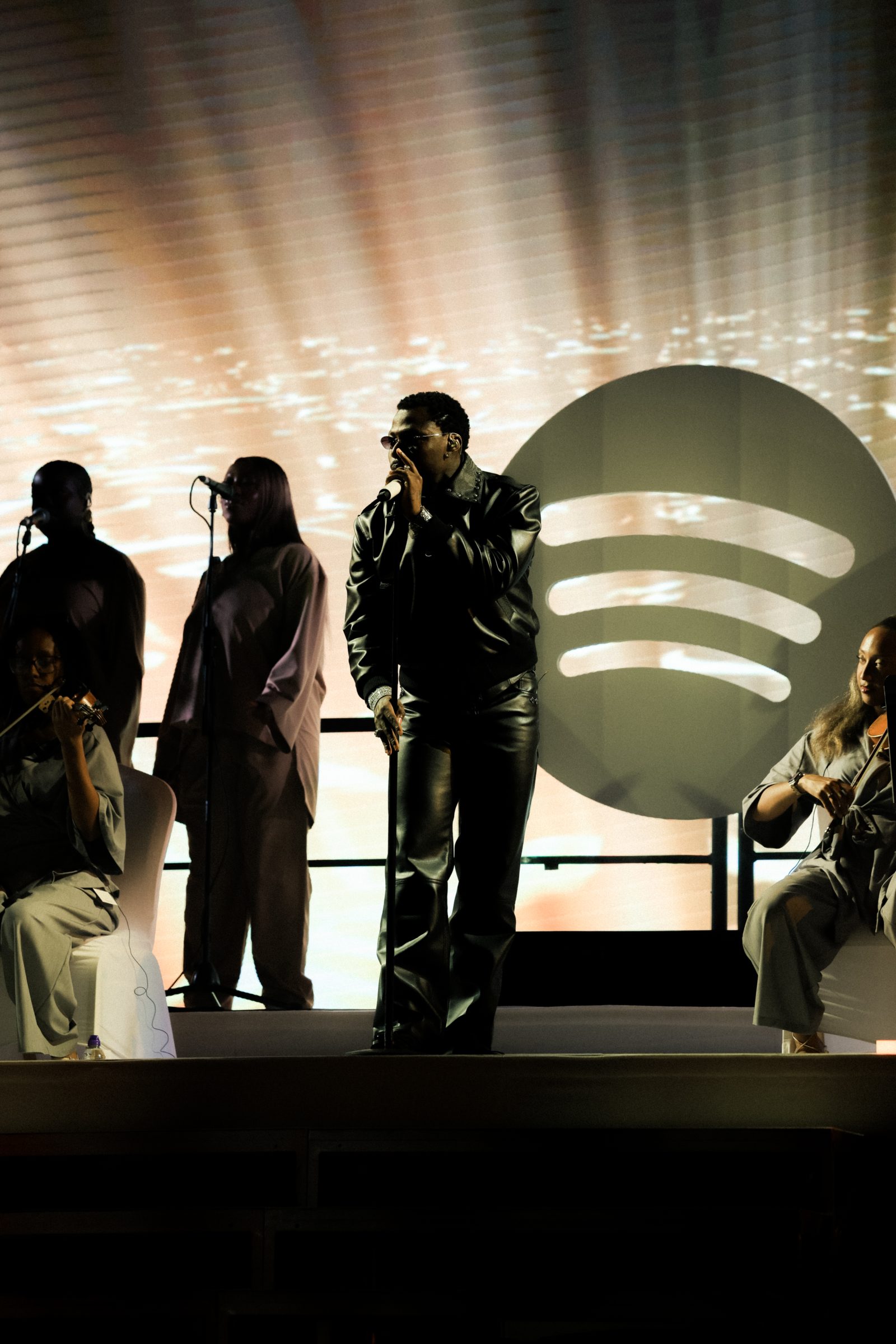
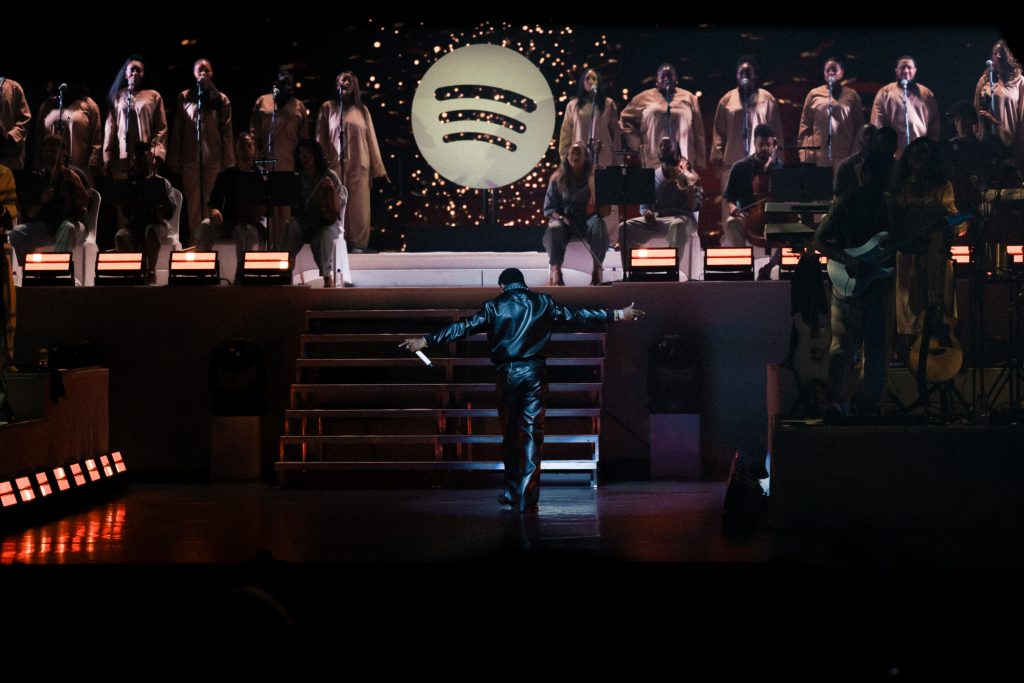
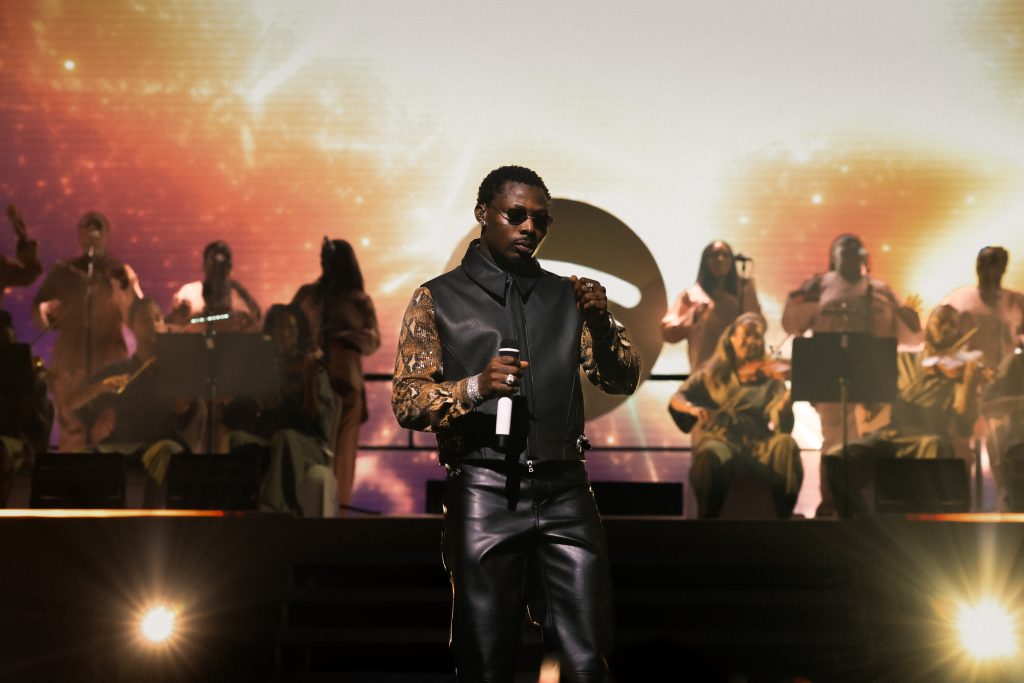
The historic auditorium felt intimate even at full capacity for this kind of show. Red seats, warm lighting, the quiet hum of people who already lived with the album for six weeks. On stage sat a proper live orchestra setup: Asake performing on stage against prominent Spotify branding, emphasizing the high-production, roughly a 20-piece band with strings and horns, plus a dozen background singers/choir voices ready to lift things. The full setup was a 20-piece band (10 strings / 3 horns) and 12 background singers.
Asake Steps Out
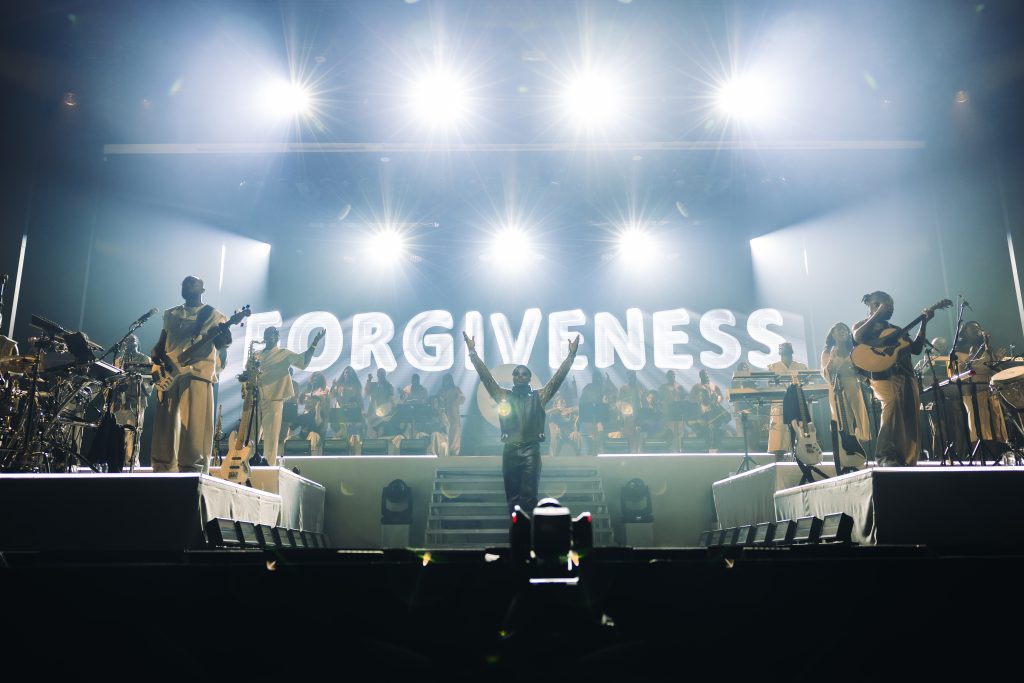
When Asake came on, the shift was immediate. He moved straight into the material, letting the live band carry the weight. The album’s signature blend — melodic hooks over Afrobeats rhythms, Yoruba phrasing, that direct emotional delivery — translated differently with real strings and horns underneath it. Early in the set the energy built steadily through album cuts. Then came the moments that cut through the politeness of the theater setting. “Forgiveness” hit different live. The crowd fully locked in — nobody staying seated, bodies moving, voices carrying the hook, with one of the clearest “this is the first time he’s done this live” reactions of the evening. The song’s plea for consistency and grace landed heavier with the full band and the room singing it back at him.
“Gratitude” got the biggest production lift. The choir and band swelled behind it, turning the track into something closer to a communal statement than a single song. The themes the album carries — gratitude, prosperity, spirituality, ambition — felt less like liner notes and more like something happening in real time in that room.
Other album tracks moved through the set with the same live treatment: “Worship”, “Why Love”, “Wa”, “Rora”. The band gave them space to stretch. Asake’s stage presence stayed grounded — less big-tour choreography, more direct connection to the music and the people in front of him. He danced when it fit, but mostly he let the songs do the work.
The New Material
Sprinkled in were four unreleased tracks, slotting them in without breaking the flow. Some carried the same melodic directness as the album; others felt like they could be testing ground for whatever comes next, with talks of a possible ‘M$NEY’ deluxe. The crowd treated them the same way they treated the released songs, staying locked in. The event wasn’t simply about celebrating what ‘M$NEY’ has already achieved. It was also an opportunity to hint at what comes next. Whether those songs eventually appear on a deluxe edition, another project, or remain exclusive to the concert film, their inclusion ensured the night functioned as more than a retrospective.
From Spotify’s perspective, the event continues a trend that has become increasingly visible across music marketing. Streaming platforms are no longer just distribution services. They increasingly want ownership of moments.
Rather than sponsoring a standard concert, Spotify helped create an experience that only a select group of listeners could attend. The audience itself became part of the story. Some of the people in the room weren’t there because of industry connections or media credentials. They were there because they were among Asake’s biggest listeners.
After the Last Note

What happened in the room on the night was the version that can’t be fully recreated — the first time these songs met a live band and a room full of the people who had carried them on repeat since May. Asake heads into his In God We Trust World Tour later this summer with this night as the quiet, high-signal preview. The big stages will come. This one stayed close to the source: the album, the live band, and the listeners who had earned their seats.
Perhaps the most revealing aspect of the evening is that it arrived after ‘M$NEY’ had already done its job commercially. The album topped charts across multiple countries, reached the top ten in the United States, and broke Spotify Nigeria’s opening-week streaming record with 37.5 million streams in six days.
The performance wasn’t necessary to prove the album’s success. Instead, it felt like an attempt to reshape the conversation around it. Streaming numbers tell one story. A one-night orchestral performance inside one of London’s most historic theatres tells another. Together, they paint a picture of an artist becoming increasingly interested in legacy, presentation, and artistic scale.
The concert film, set for release on Spotify, will likely provide a clearer view of what happened inside the room. But even before the footage arrives, the broader takeaway is already visible.
‘M$NEY’ was introduced to the world as an album about gratitude, ambition, prosperity, and spiritual reflection. Its first live performance mirrored those themes with intention.