10 essential Maskandi albums

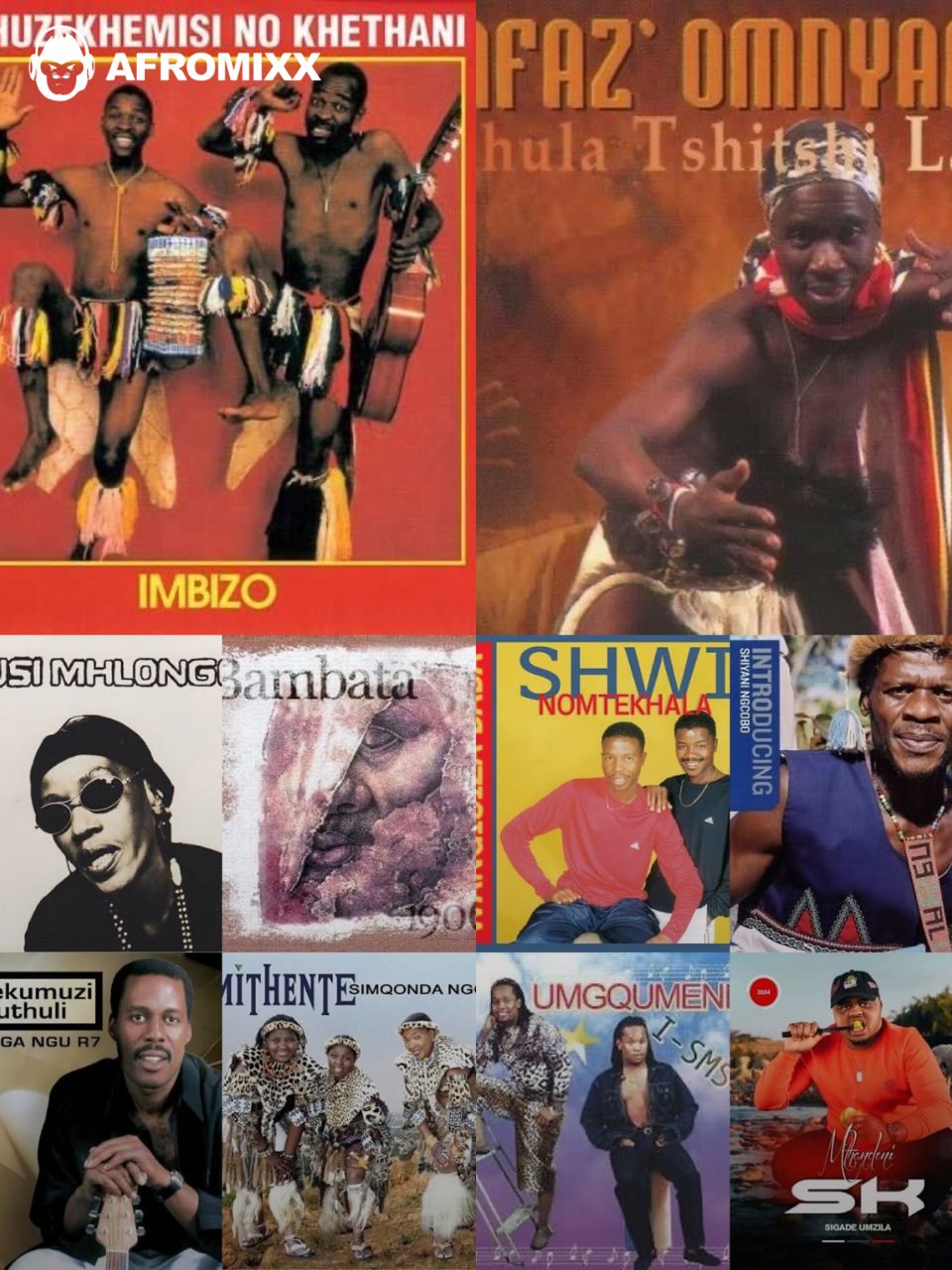
Long before Amapiano became South Africa’s dominant export, Maskandi was already serving as one of the country’s most distinctive musical languages. Often described as the “music of the Zulu people,” the genre emerged from the experiences of migrant workers who travelled between rural KwaZulu-Natal and South Africa’s urban centres, carrying with them stories of displacement, aspiration, identity and survival. At its core, Maskandi is built around intricate guitar picking known as ukupika, conversational storytelling, concertina melodies, call-and-response vocals and a deeply personal style of songwriting that allows artists to narrate their lives in remarkable detail.
Yet Maskandi has never been a static tradition. Across decades, the genre evolved from its folk foundations into one of South Africa’s most commercially successful indigenous music forms. As recording technology advanced and audiences expanded, artists began introducing electric instrumentation, programmed drums, pop structures and influences from mbaqanga, gospel, jazz and, more recently, Amapiano and Afropop. Through each transformation, Maskandi retained its essence: a genre rooted in storytelling, cultural pride and the ability to reflect the social realities of its audience.
The albums on this list trace that journey. From politically charged classics and commercial blockbusters to boundary-pushing works that expanded the genre’s possibilities, these records capture the many lives of Maskandi. Together, they reveal how a style once associated primarily with rural Zulu communities became a powerful cultural force capable of influencing generations of musicians while remaining deeply connected to its roots.
1. Phuzekhemisi no Khethani – Imbizo (Gallo, 1992)
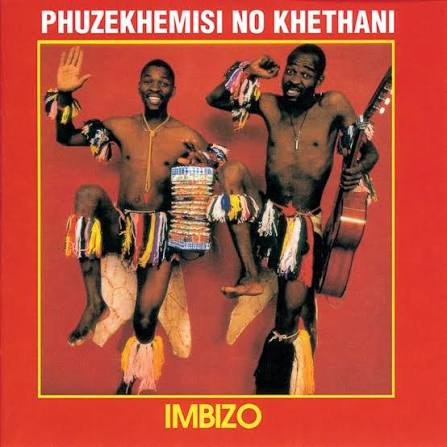
A landmark political and commercial breakthrough. The title track protested land taxes in KwaZulu during turbulent times, selling hundreds of thousands. Produced by West Nkosi, it features strong bass, concertina-guitar interplay, and choral vocals—classic maskandi with social commentary.
2. Mfaz’ Omnyama – Khula Tshitshi Lami (Gallo, 1997)
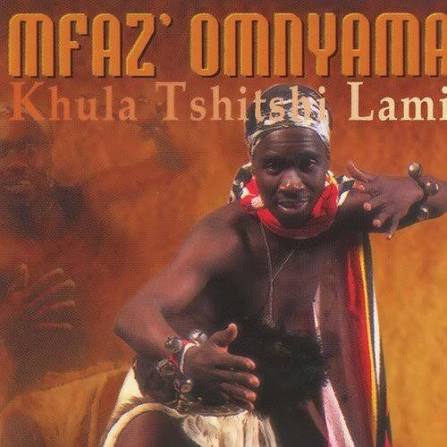
Mfaz’ Omnyama (the late Khulekani Khumalo) brought a haunting vocal wail, masterful guitar/concertina, and charismatic flair. Producer West Nkosi added big choruses, bells, and programmed drums. The album dives deep into familial themes (polygamy, relationships), carving a unique blueprint within commercial maskandi.
3. Busi Mhlongo – Urbanzulu (M.E.L.T. 2000, 1999)
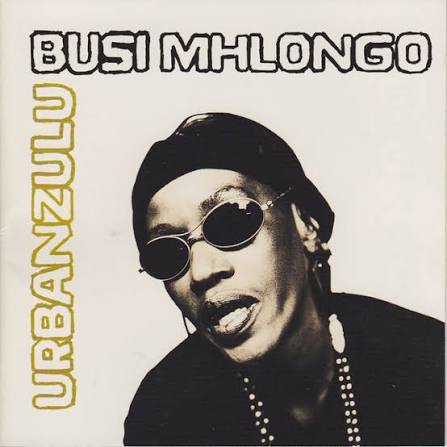
A feminist magnum opus and genre-expanding masterpiece. Mhlongo’s majestic, emotionally versatile voice (often shifting within songs) was layered and produced innovatively by Will Mowat, with West African percussion influences. It bridges maskandi to broader audiences while asserting women’s voices in a male-dominated space.
4. Bambata – 1906 (Gallo, 2000)
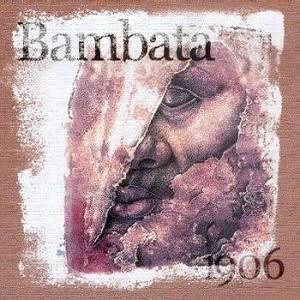
Producers Jabu Khanyile and Sipho Sithole use maskandi guitar as a launchpad for panoramic Zulu idioms, incorporating ukupika, call-and-response laments, and communal elements alongside mbaqanga, jazz, and R&B. Named after the 1906 Bambatha Rebellion, it’s conceptually deep and ensemble-rich.
5. Shwi noMtekhala – Wangisiza Baba (Bula Music, 2004)
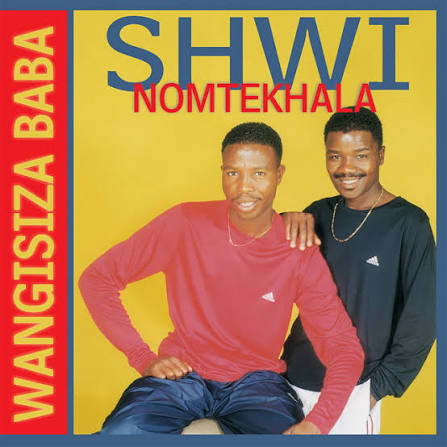
A massive commercial and cultural hit (over 500,000 copies sold). Their second album, featuring the Marvin Gaye-influenced “Ngafa”, blended maskandi with synths and drum machines amid the hip-hop era. It won SAMA Best-Selling Album honors and marked the duo’s (from isicathamiya roots) dominance.
6. Shiyani Ngcobo – Introducing Shiyani Ngcobo (World Music Network, 2004)
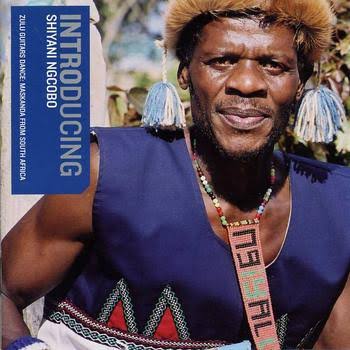
A purist’s delight showcasing virtuosic, minimalist guitar picking with economical storytelling. Ngcobo (migrant worker turned competition winner) keeps focus on man-and-guitar, with sparse fiddle/bass/concertina. It’s highly acclaimed internationally for authenticity and was praised for its rich textures and purity.

7. Bhekumuzi Luthuli – Inkinga Ngu R7 (Gallo, 2006)
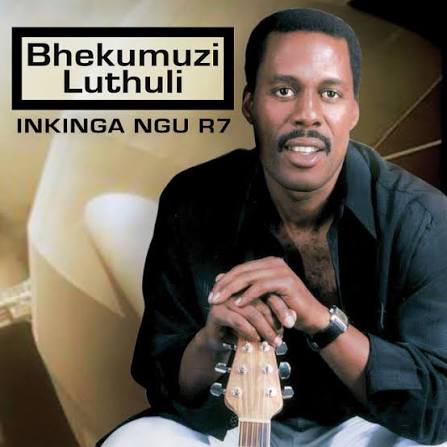
The prolific “Madlanduna” reimagines maskandi as pan-African pop through mixing of subdued guitars, dominant xylophone motifs (Xitsonga influences), and sharp, insulting one-liners. A late-career innovator highlighting the genre’s adaptability.
8. Imithente – Simqonda Ngqo (Gallo, 2008)
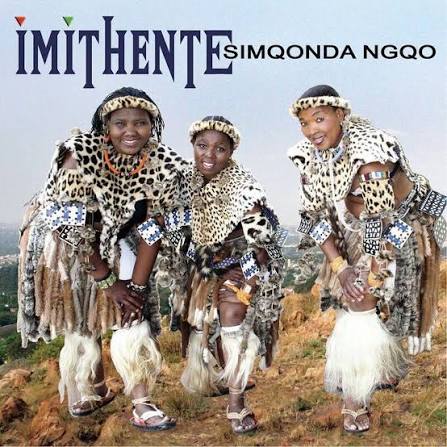
Female-led group emphasizing moralist tales and isintu (African spirituality) via ingoma-evoking sounds: drums, guitars, concertina, and percussive whistles for trance-like revivalism. It connects to matrilineal roots and traditional African churches.
9. uMgqumeni (Mgqumeni Khumalo) – i-SMS (Sony, 2008)
Known for stoic delivery across love songs, social critique, and rival disses. The sound mixes devotional and combative elements; standout 11-minute track “Akazi Lutho” exemplifies volatile masculinity with tension and self-praise. A key figure in 2000s maskandi feuds and storytelling.
10. Mthandeni SK – Sigade Umzila (SK Music Productions, 2024)

Represents contemporary maskandi’s evolution with amapiano/Afropop collaborations while maintaining core identity. Mthandeni positions himself as an ambassador; epic tracks like “Ngiyanquma Mbhemu” showcase clean, declarative style and long-form storytelling.