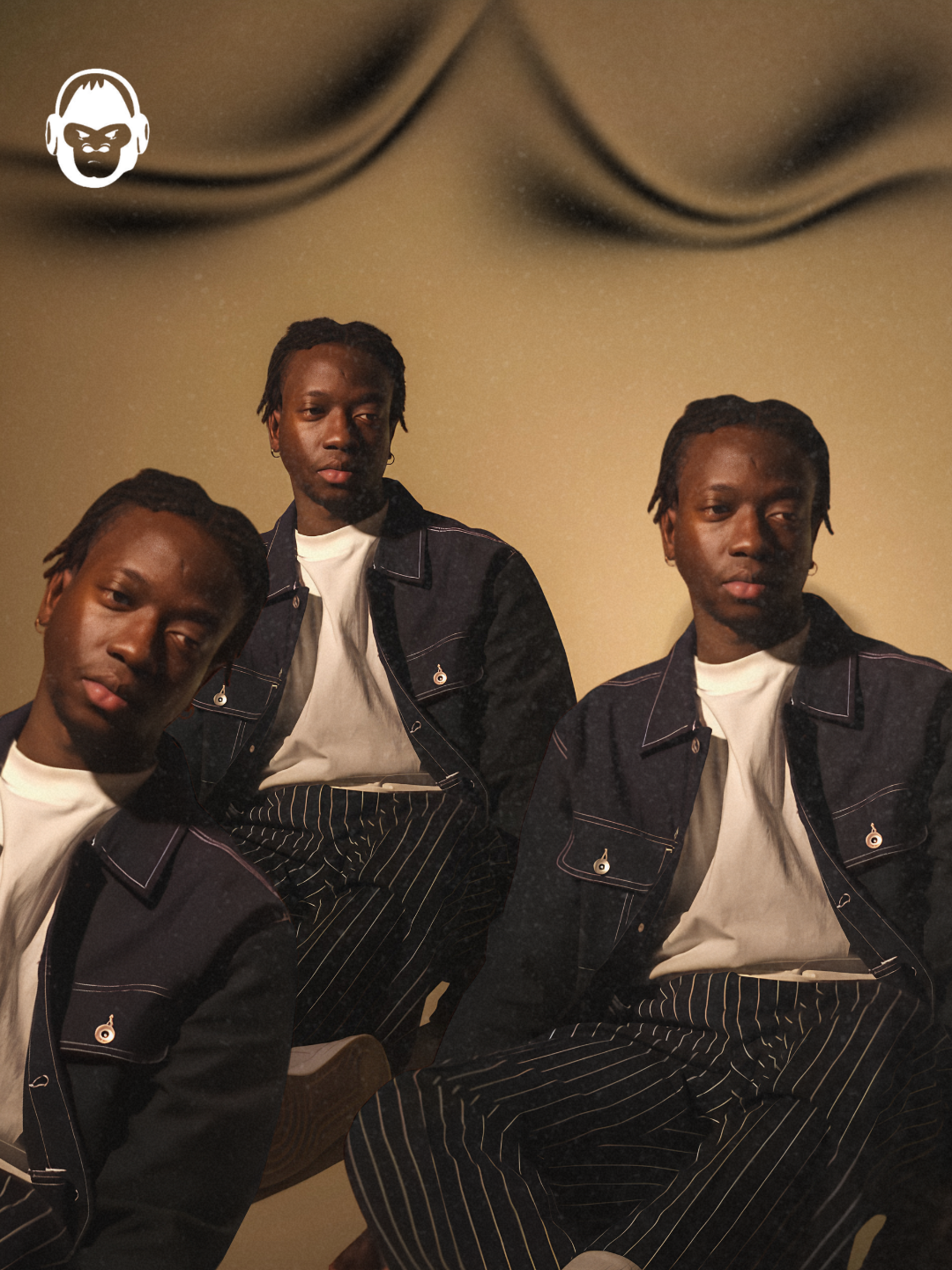
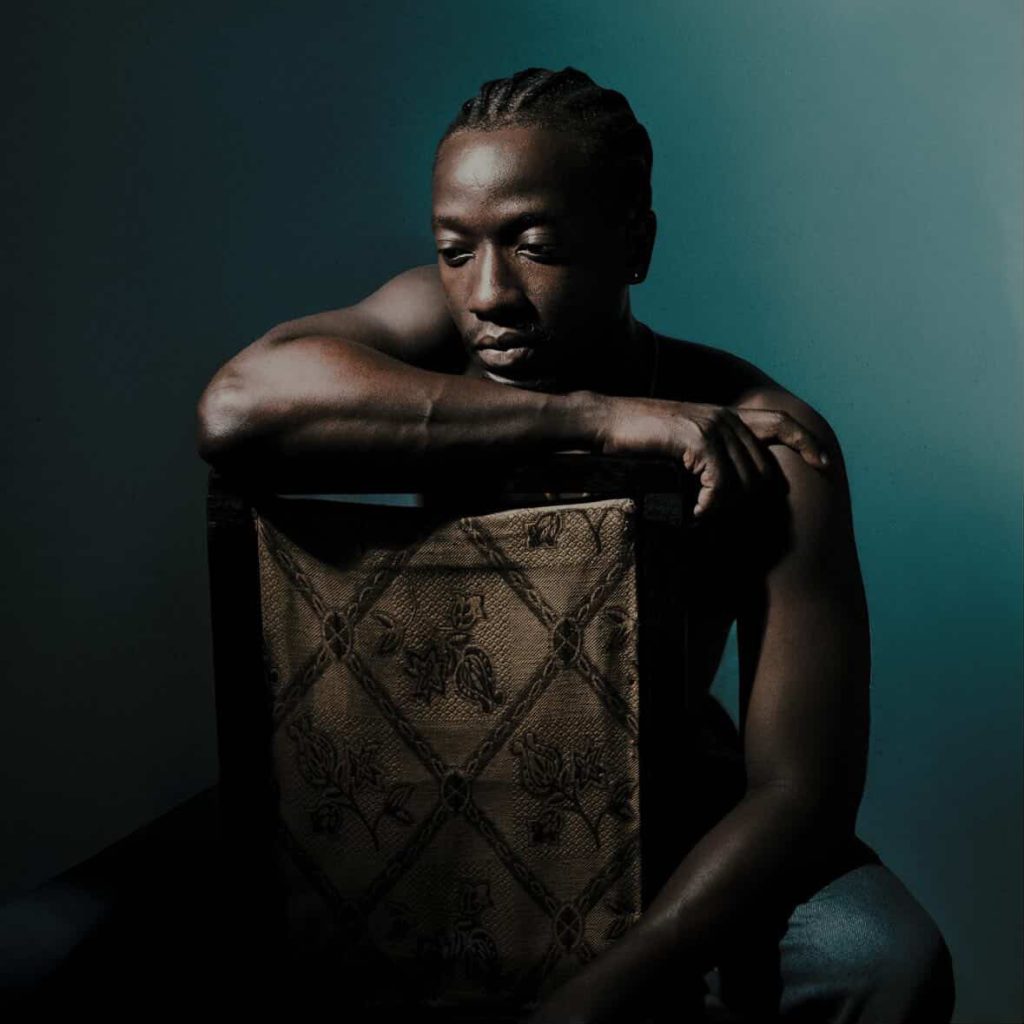
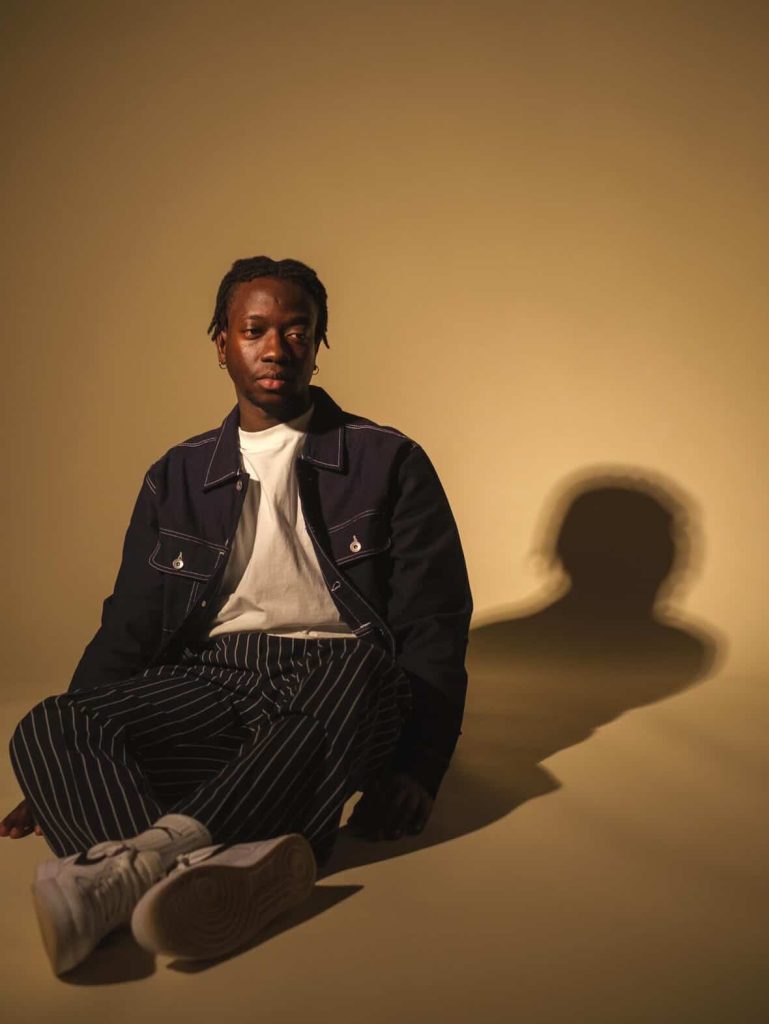
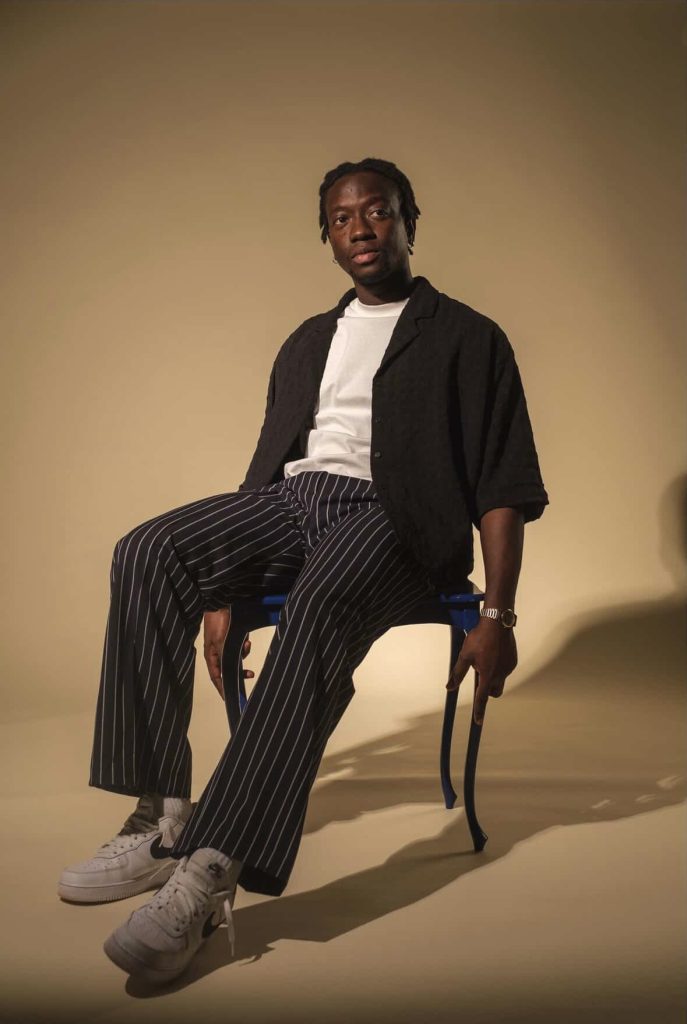
Every now and then, you stumble upon an artist so brilliant that your first instinct is to tell everybody you know to stop what they’re doing and go listen. Simply because you’re convinced that you’ve found something increasingly difficult to come by: sincerity.
That’s Onesan.
At a time when romance in Afrobeats is becoming flashier and increasingly transactional, his music feels almost like a return to something we’ve forgotten. So many songs today announce desire before they introduce the person. Women become body parts to be admired, conquered or collected. Intimacy is often replaced with spectacle, and tenderness is sacrificed for the line most likely to become a caption.
Onesan seems uninterested in any of that.
His songs are less concerned with what happens after two people get together than with everything that happens before they do. The lingering eye contact, the hesitation before a confession, and the conversation that somehow stretches until sunrise.
If one word could encapsulate his discography, it’ll be patient. Listening to him often feels like watching someone fall in love in real time instead of hearing someone boast that they already have.
It’s joyful, just like his name.
His full name is Ifihanayooluwa Akinsola Onesanayole, and the artist name millions may soon come to know isn’t something he invented for branding.
“Onesan comes from Onesanayole, which means ‘the chosen one brings joy home.’ It is an Ondo Yoruba name and I chose it as my artist identity because it feels personal, unique, and represents my roots.”
It’s a beautiful meaning, but what makes it memorable is how naturally it describes his music.
Sometimes, joy sounds like somebody putting words to emotions you’ve been carrying around without realising they had names.
The surprising part is how recently he decided to take music seriously.
“If I told you I only started taking it seriously this year, would you believe me?” he asks.
The honest answer is no.
His music doesn’t sound like someone who’s only just finding his feet. It sounds like someone who’s spent years quietly studying himself before inviting anyone else to listen.
Music has been part of his life since primary school. He started writing songs around 2015, but according to him, he took his sweet time with it.
As with most creatives, Onesan’s friends played a vital role in ensuring that the world gets to witness the magic that is Onesan. They kept encouraging him to post his songs and that encouragement has birthed about twenty songs and counting.
“It took me a while to really find my sound because I can write across different genres.”
Finding your sound is one of those phrases you wouldn’t understand if you’re not an artist but in Onesan’s case, you can hear exactly what he means.
Afro-R&B was recognition.
While his songwriting had always leaned towards R&B, something clicked during the lockdown when he discovered Brent Faiyaz’s Sonder Son and, perhaps even more importantly, Melvitto and Gabzy’s Summers.
“I remember hearing that sound and thinking, ‘This is where I fit.’ That blend of emotion, melody, and Afro-fusion energy made me more confident in the direction I wanted to take.”
Every artist spends part of their journey looking for proof that the music living in their head already exists somewhere in the world. Sometimes all it takes is hearing one project that sounds close enough to your own imagination for you to finally give yourself permission to create honestly.
For Onesan, Summers was that permission.
When Afromixx asks him to describe his music, he called it Yearner’s music.
“It is the kind of music you play when you are alone in the car driving home at night, or when you have your AirPods in and you are just sitting with your thoughts.”
It’s difficult to think of a more accurate description.
His songs understand solitude without romanticising loneliness. They know what it feels like to miss someone without pretending heartbreak is the only interesting thing love has to offer. More than anything, they make room for emotion in a culture that increasingly rewards detachment.
In many ways, Onesan’s music isn’t really about romance at all.
It’s about emotional availability.
That perspective makes even more sense when he talks about growing up.
“I grew up with four sisters, and as the only boy, I spent a lot of time in my room alone. I think my music carries that solitude. It is calm, emotional, reflective, and personal. I like to make music that feels like a private conversation with yourself.”
In relation to growing up, one thing Onesan loves about Ibadan is how connected everybody seems to be. It’s the kind of city where creative circles overlap naturally, where one introduction leads to another, and where a chance encounter can quietly change the direction of your career.
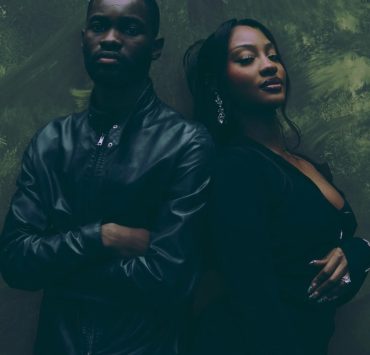
Qoye first came across Onesan’s music on SoundCloud after Sirbastien shared one of his songs on Instagram. Some time later, he watched him perform at one of Judo’s live sessions. When the performance ended, he walked over, introduced himself, and said he liked the voice. They should make music together.
Across the project, They explores the different stages of modern love with remarkable restraint. There is excitement, but there is also hesitation. There is the thrill of growing attached to someone, followed almost immediately by the fear of what that attachment might demand from you. There are moments of surrender, moments of uncertainty, and moments where the hardest thing isn’t falling in love but admitting that you already have.
Perhaps that’s why the project feels so relatable.
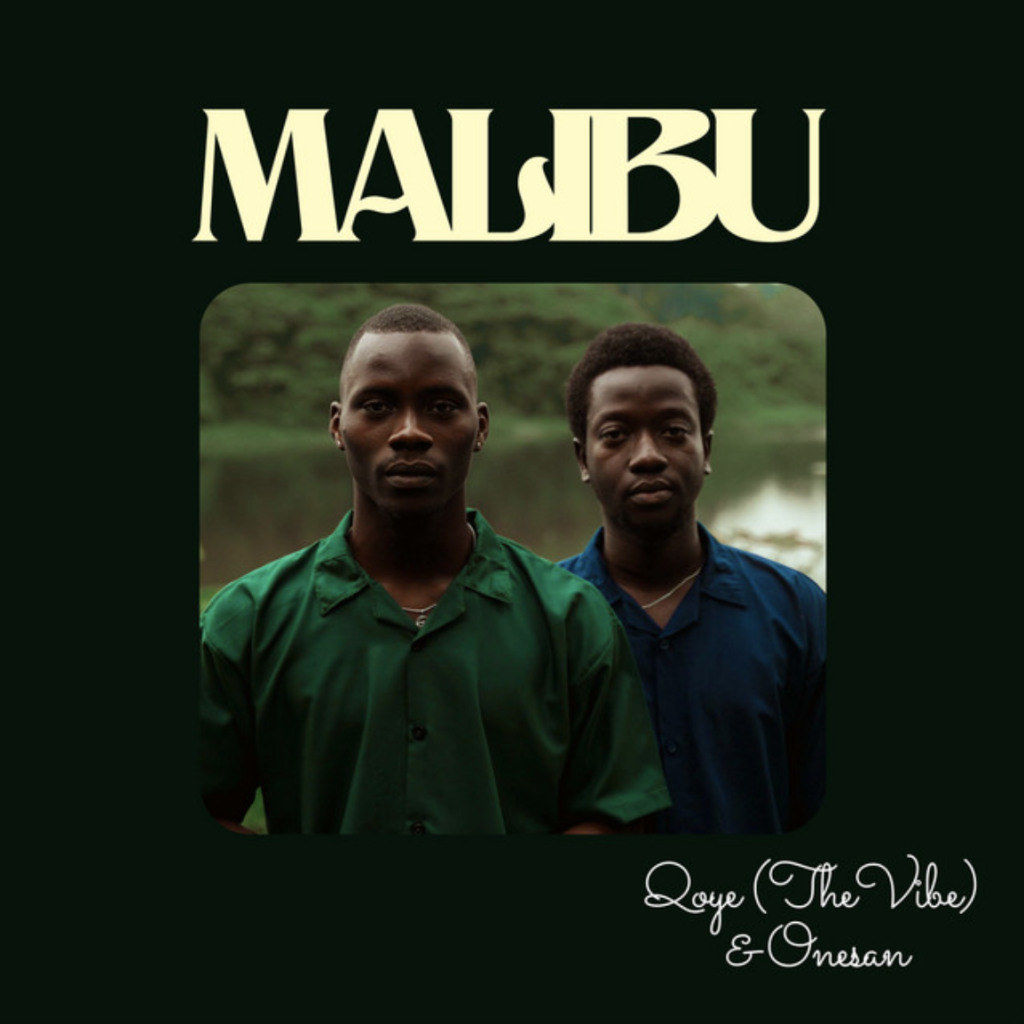
Ironically, Malibu almost never made it into the world.
Before working with Qoye, Onesan had been building another project called Same Old Story, one that still sits privately on his SoundCloud because he couldn’t convince himself it was ready.
“I think I overthink my releases sometimes, or maybe I’m just a perfectionist.”
Without Qoye and Moss, he says, the collaborative project could easily have suffered the same fate.
“They helped push the music out of my head and into the world.”
It’s one of those comments that explains the music as much as the man behind it.
For someone whose songs ask listeners to embrace vulnerability, he knows better than most that vulnerability doesn’t always come easily. Sometimes it takes other people believing in your work before you finally allow yourself to believe in it too.
Which is why he says:
“I try to make music for people like me: people who enjoy being alone, listening to songs that make them feel things deeply. I want people to feel seen when they listen to my music. More than one specific message, I want them to disappear into the stories I write, or even into their own stories through my music. I want the feeling to be intimate, like the song understands something they may not have said out loud.”
By the time he finishes speaking, you realise that’s exactly what his music already does.
You begin listening because you’re curious about Onesan.
You keep listening because, somewhere along the way, the songs stop being about him and become about you.
About the person you’re trying to forget.
The one you’re still hoping will text.
The version of yourself that only seems to emerge after midnight.
Perhaps, that’s why coffee has become part of his writing ritual.
“I need my coffee when I am writing. It clears my mind and makes me feel calm. It puts me in the right headspace to focus, sit with my thoughts and bring the emotions out properly.”
It feels strangely appropriate.
One day, he’d love to collaborate with Melvitto and it’s a collaboration we also look forward to.
There is a temptation, when discovering artists this early, to describe them as underrated.
It feels accurate but it is also unfair.
Being underrated suggests the conversation has already happened and simply overlooked them.
With Onesan, the conversation is only just beginning.
The music is already here.
The honesty is already here.
All that’s missing is the audience.
If you’re a real lover and you don’t have at least two Onesan songs sitting comfortably on your playlist already, permit me to say this as gently as possible:
You’re missing out.
For those who have spent the last few years wishing love songs made you feel something again, start here: