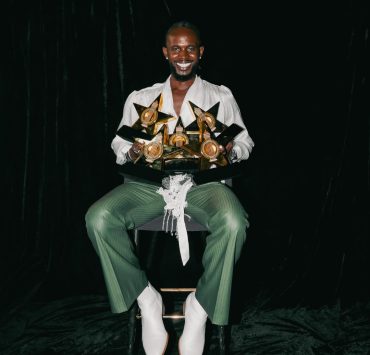
Inside Kemz’s Creative World: The Nigerian Director Behind “Nyem Ego”, “Obapluto” and JAPA

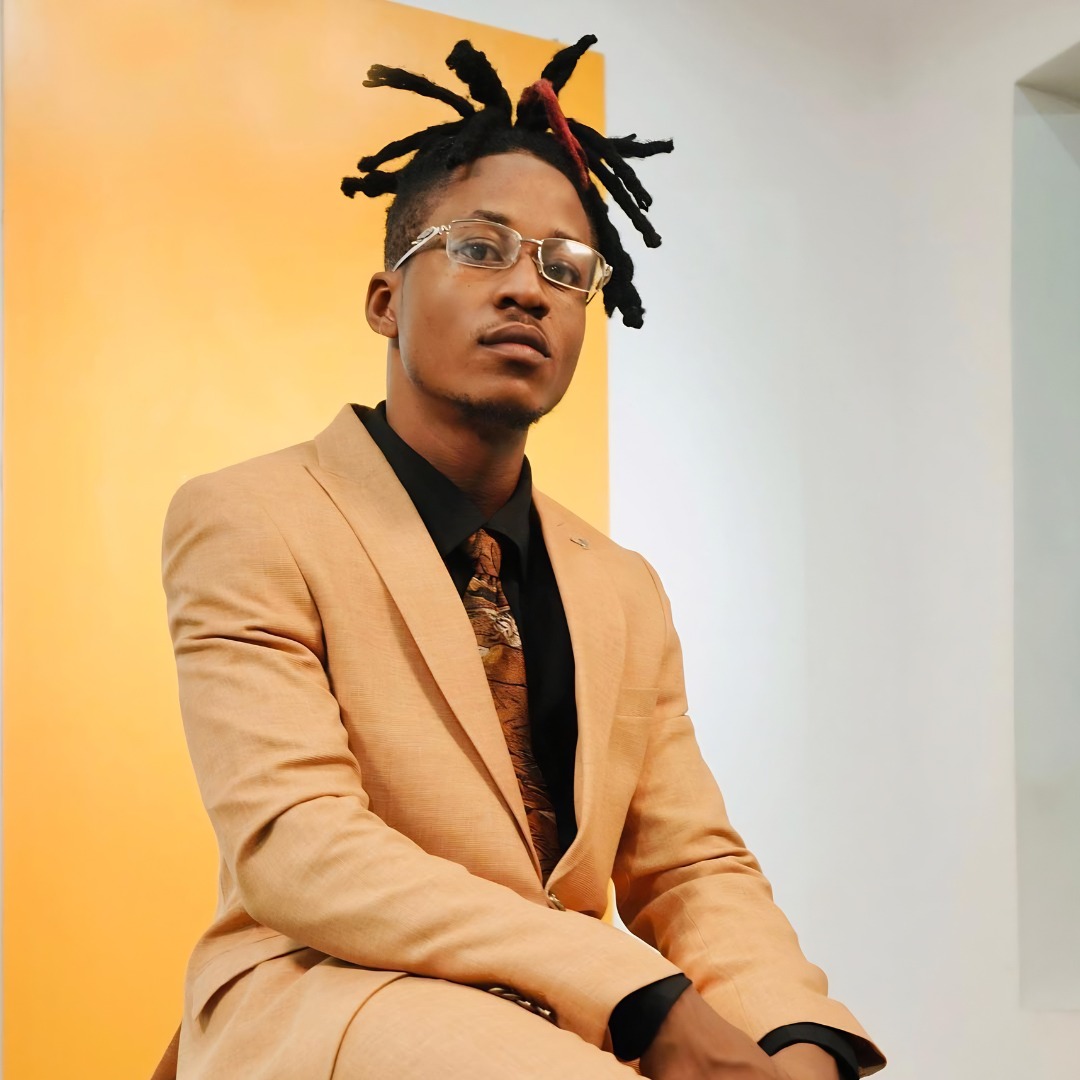
Long before directing became a profession, Kemz, born Adiukwu Daniel, was already building his world through sketches, paintings, graphic design, and an instinctive attraction to colour, mood, and emotional detail. Raised within the pulse of Nigerian culture and shaped by years of absorbing music, film, television, and everyday life, he developed a directing style characterised by honesty, atmosphere, and impact. Kemz moves like a storyteller with a painter’s soul and a filmmaker’s precision, turning past works like Blaqbonez and Jeriq’s “Nyem Ego” into a seamless fusion of hip-hop swagger and highlife spirit, making Shallipopi’s “Obapluto” feel like street prophecy in motion, and transforming Muyeez and Seyi Vibez’s “Instagram” into something both stylish and deeply familiar. That same philosophy now guides his transition into filmmaking with JAPA, his first narrative film, where the fast-moving rhythm of music videos gives way to a more patient exploration of character, emotion, and human experience.
Your videos feel very rooted in culture, movement, and real-life energy. What originally pulled you into directing, and what made visual storytelling feel like your lane creatively?
KEMZ: I’ve always been a visual artist in one way or another. Growing up, I used to draw and paint a lot, and over time that naturally evolved into graphic design. From there, I got into making videos and eventually realised this was something I could actually do professionally.
I think visual storytelling felt natural to me because I’ve always connected more through visuals and emotion than anything else. Even before directing, I was already thinking in pictures, colours, moods, and moments.
Another important part of my journey was the support system around me. My parents really encouraged my artistic side, so I had the freedom to grow creatively without feeling restricted. That space helped me experiment, improve, and eventually find my voice as a director.
A lot of people see the final music video, but not the thinking behind it. When you approach a new project, what’s usually the first thing you focus on emotion, world-building, performance, colour, pacing, or something else entirely?
KEMZ: My approach to directing is very purpose-driven. The first thing I usually think about is what the project is supposed to achieve and the kind of impact it should have on people. That becomes the foundation for every creative decision after that.
So if it’s a music video meant to sell a certain energy or lifestyle, I build around that feeling. If it’s about helping rebrand an artist or present them differently, then I pay close attention to the elements that support that direction: performance, styling, colour, pacing, environment, everything.
I don’t really approach every project with one fixed formula. My process changes depending on the goal of the project. Once I understand the purpose clearly, the creative world starts building itself naturally from there.
Your work often carries a certain intensity and lived-in realism. How much of your directing style comes from personal experiences, environments, or the kinds of stories you grew up around?
KEMZ: I strongly believe I’m a product of everything I’ve experienced throughout my life, from childhood up until now. A lot of my directing style comes from the environments I grew up in, the people around me, and being deeply connected to Nigerian culture.
Growing up, I was constantly feeding my mind with art, music, films, entertainment, and visuals through TV and the internet. All of those things shaped the way I see emotion, movement, energy, and storytelling today.
I think my work carries a certain realism because it comes from things that feel familiar to me. The stories, the atmosphere, the characters, even the way people move or express themselves; a lot of it is inspired by real life experiences and observations. In many ways, my work is a reflection of everything I’ve absorbed creatively and personally over the years.
You’ve worked across music videos and commercials with major artists and brands. How do you balance creating visually striking work while still making sure each project feels authentic to the artist or story?
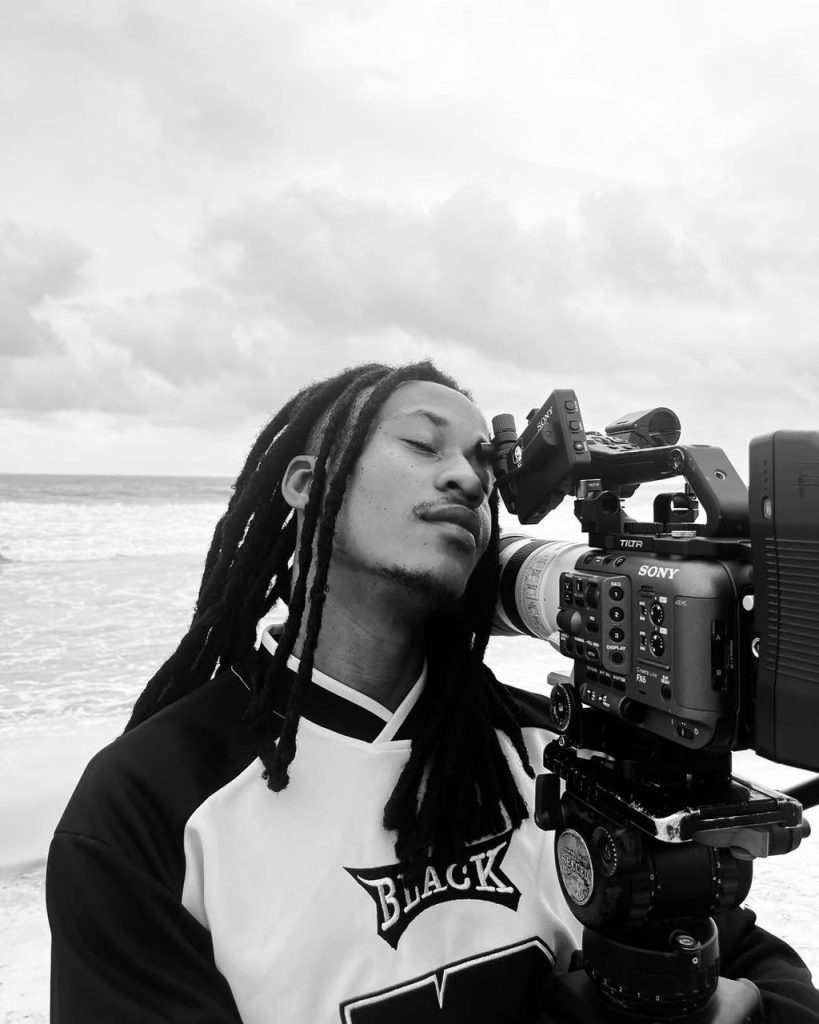
KEMZ: I think the balance comes from being very intentional with every project. I always look for the X factor, that one thing that gives the work its own identity and makes it stand out naturally.
I don’t like approaching projects passively because that’s usually how creative work starts to feel repetitive. So with every music video or commercial, I try to find a unique angle, mood, visual idea, or creative detail that makes the project feel special on its own.

At the same time, I still make sure the work stays true to the artist, brand, or story.
You’re now expanding into narrative film with JAPA. What has been the biggest creative shift moving from music video directing into filmmaking, and what kinds of stories are you hoping to tell through film going forward?
KEMZ: The biggest creative shift for me moving into film has honestly been patience. Film requires a much deeper level of patience from the very beginning; from developing the idea and script to working with actors on set and shaping performances carefully.
With music videos, a lot of storytelling is driven by energy, visuals, rhythm, and moments. But film pushes you to pay closer attention to emotions, dialogue, character development, and the small details that carry the story forward.
It’s made me become even more intentional as a storyteller. In film, you can’t rely on just beautiful visuals alone. The emotions have to feel real, the performances have to connect, and every scene has to serve the story properly.
That’s probably been the biggest adjustment for me, understanding that filmmaking demands a different level of patience and precision, but it’s also helped me grow creatively in a deeper way.