Black Coffee becomes first African DJ to sell out London’s O2 Arena

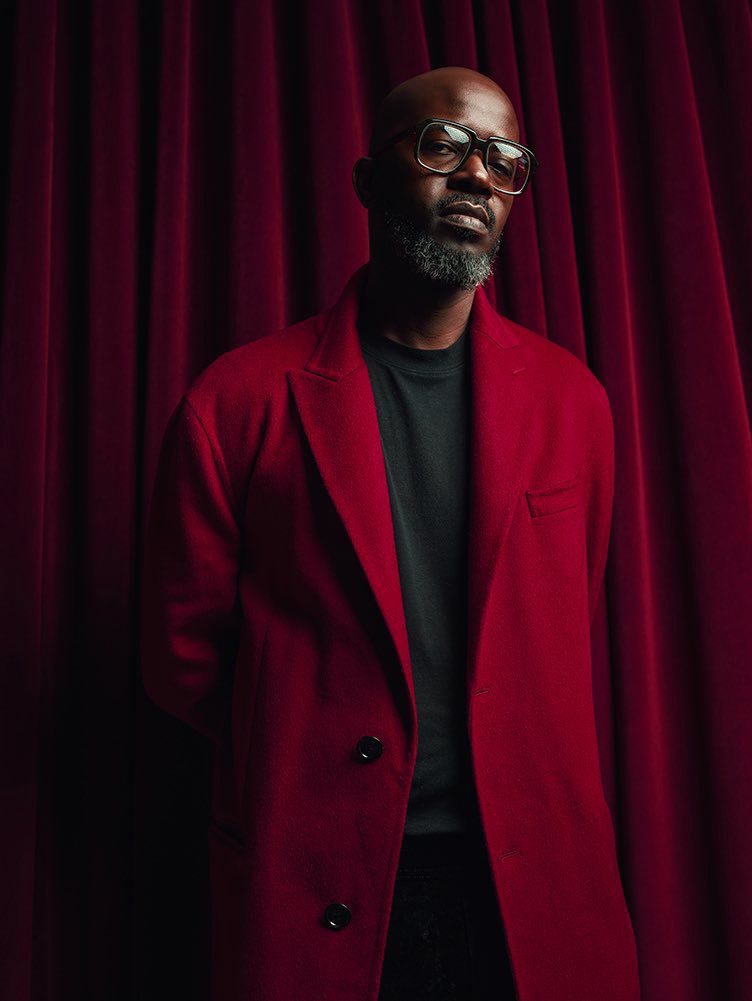
South African electronic music giant Black Coffee has added another landmark moment to his already historic career. On May 22, the Grammy-winning DJ and producer became the first African DJ to sell out London’s iconic The O2, delivering a sprawling orchestral performance that further cemented his position as one of Africa’s most globally influential music figures.
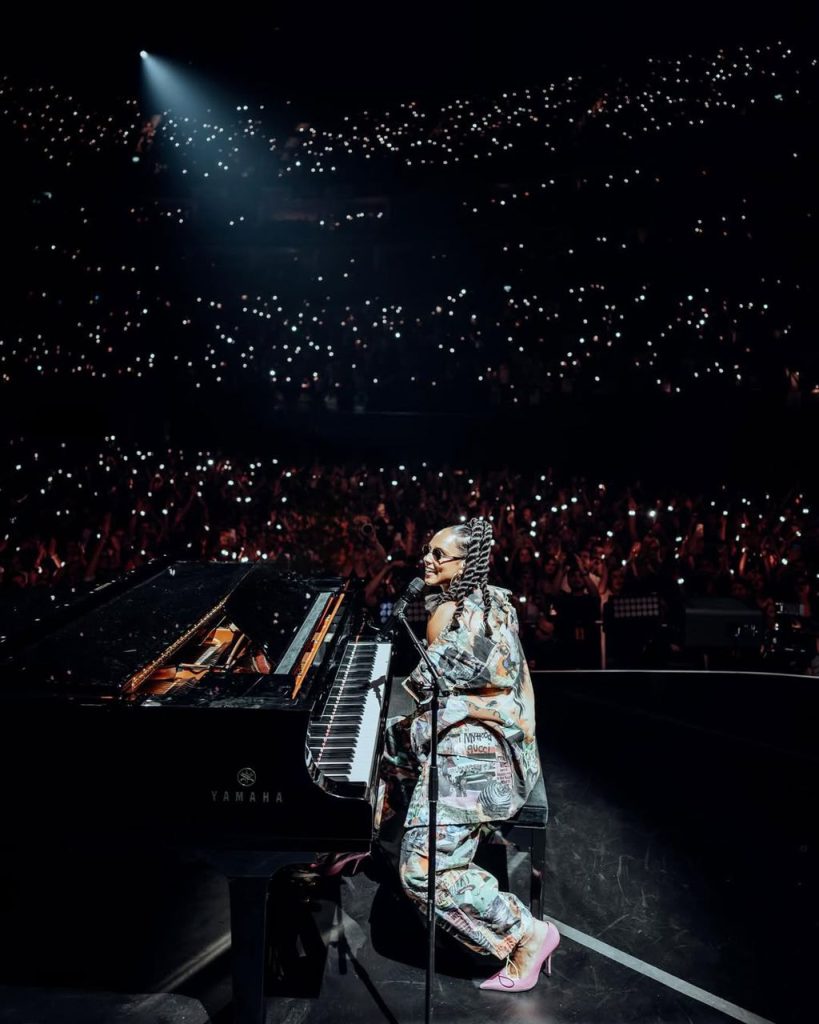
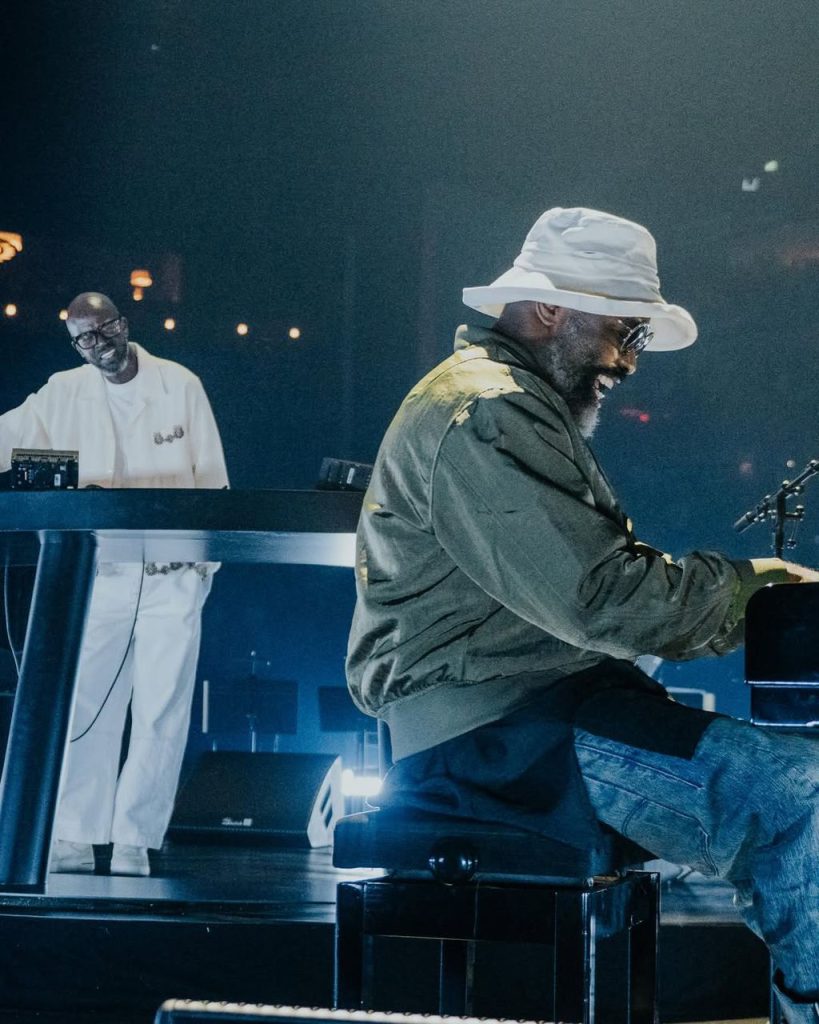
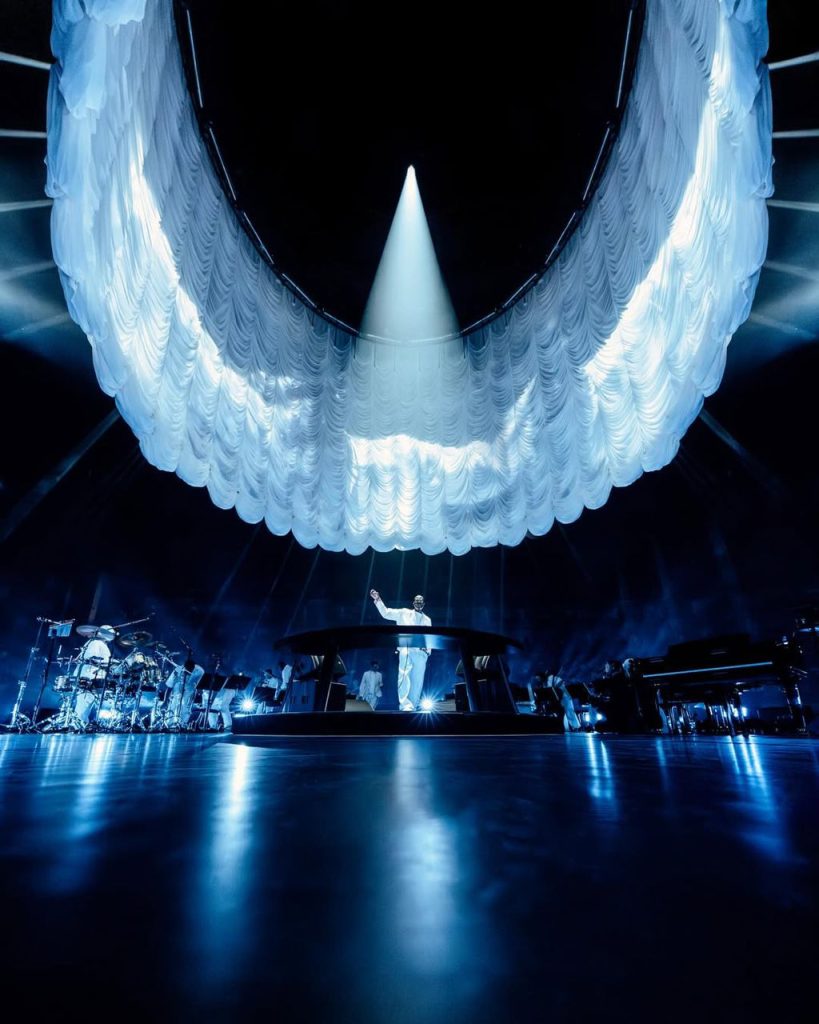
The sold-out concert, titled ‘Live With Orchestra’, transformed the 20,000-capacity arena into a cinematic showcase of Black Coffee’s signature “Afropolitan House” sound—a fusion of deep house, African percussion, soulful textures, and electronic minimalism that has become synonymous with his international rise. The concert was a three-hour performance staged in-the-round with a 360-degree production setup, amplifying the immersive feel of the show.
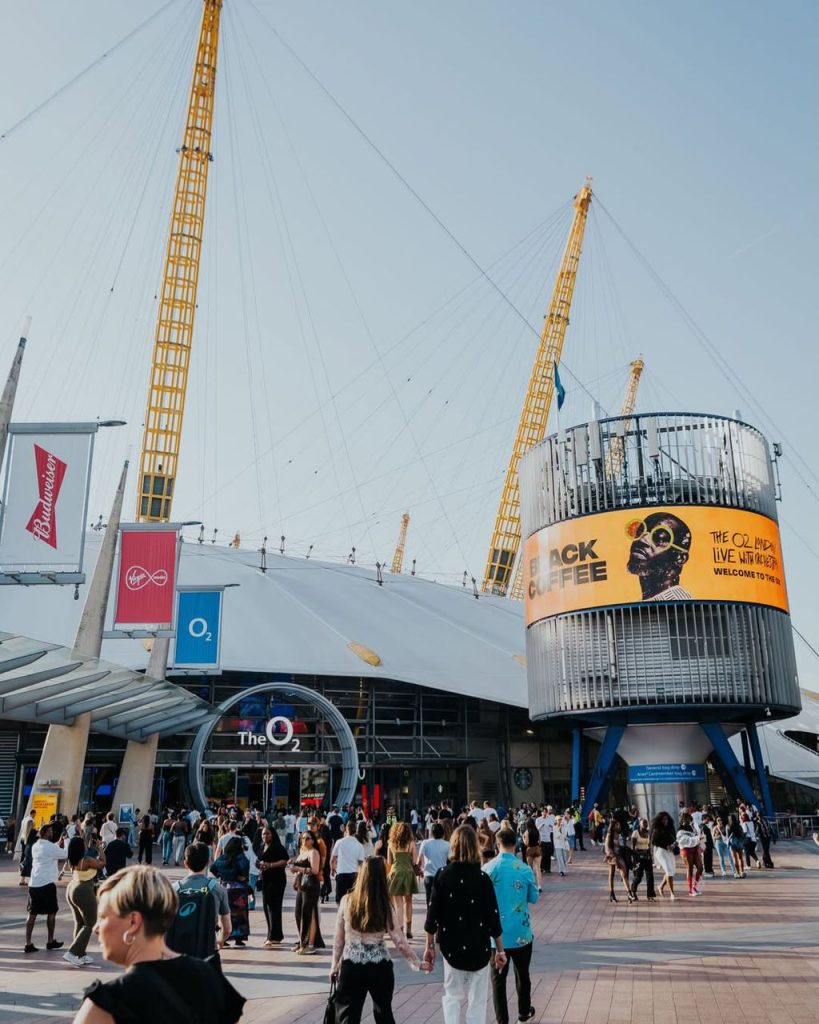
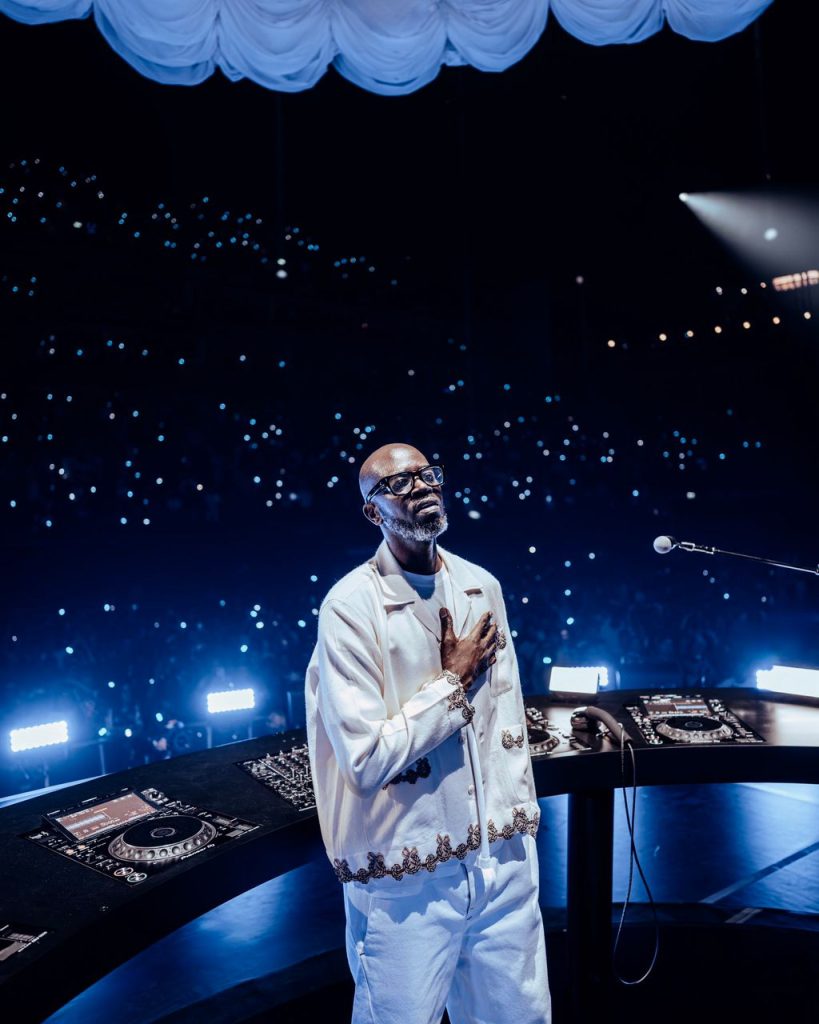
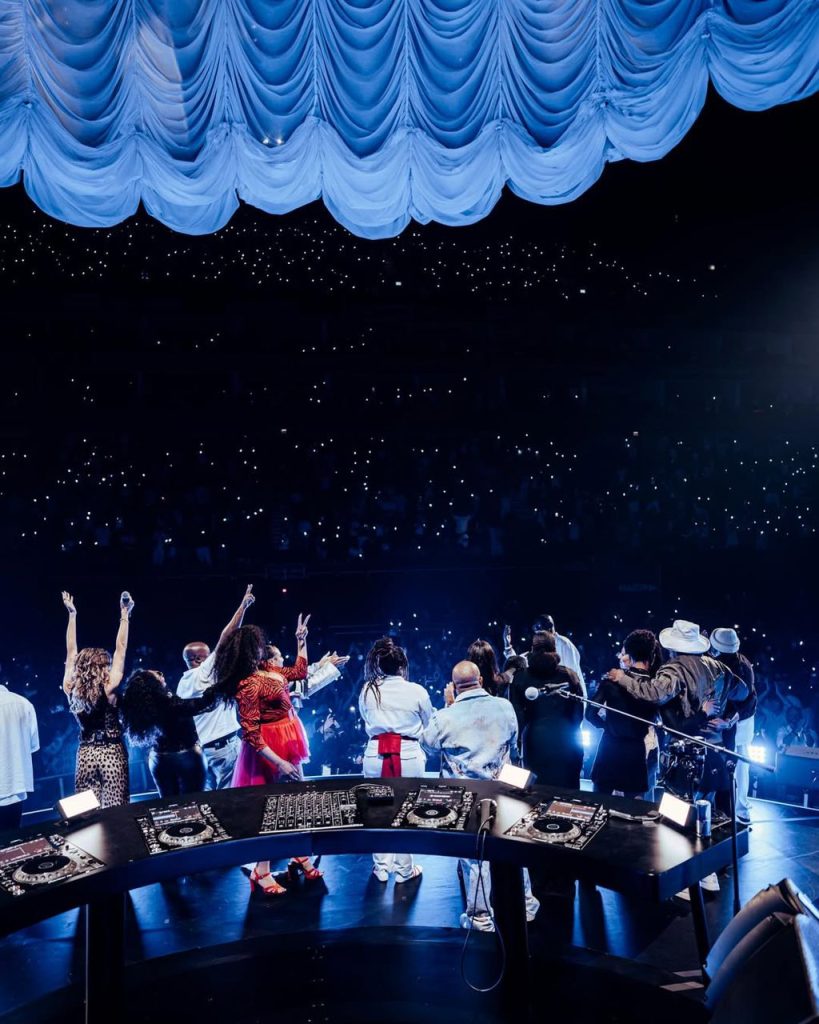
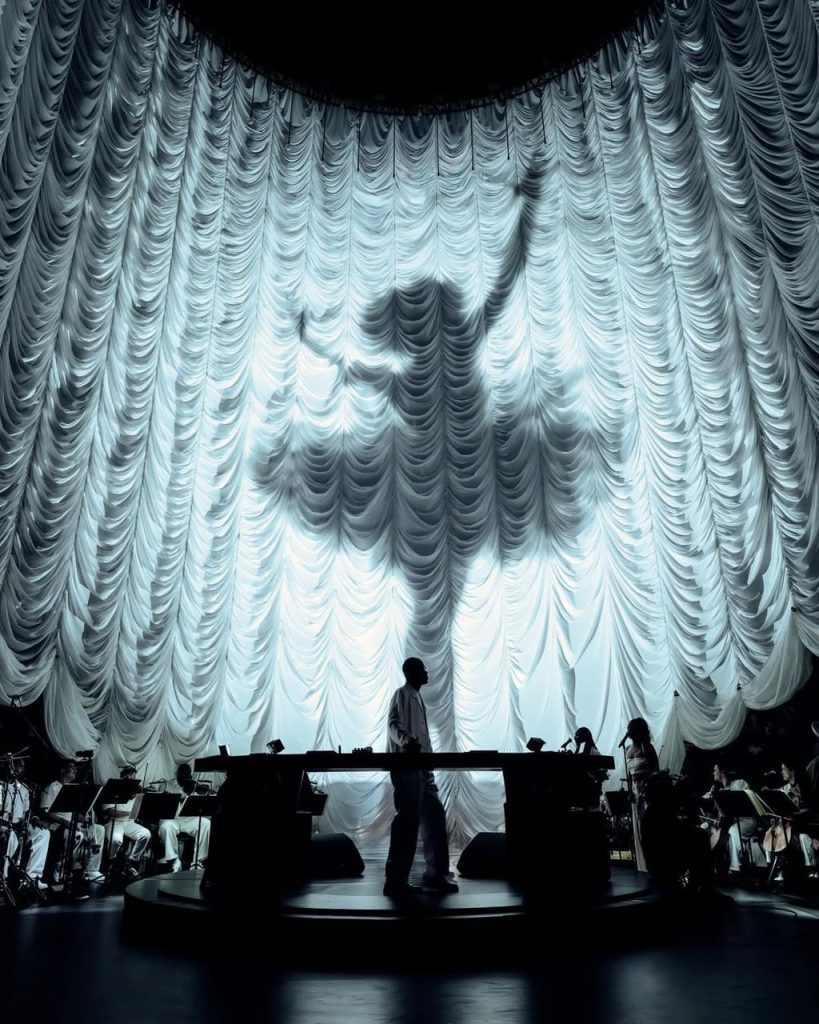
For an artist whose journey began in South Africa’s underground dance scene decades ago, the moment carried symbolic weight beyond ticket numbers. The O2 has long been viewed as one of Europe’s premier entertainment venues, a space typically reserved for global pop stars, arena rock acts, and stadium-level performers. Black Coffee not only headlined it, he filled it entirely on his own terms, with house music rooted deeply in African rhythm and atmosphere.
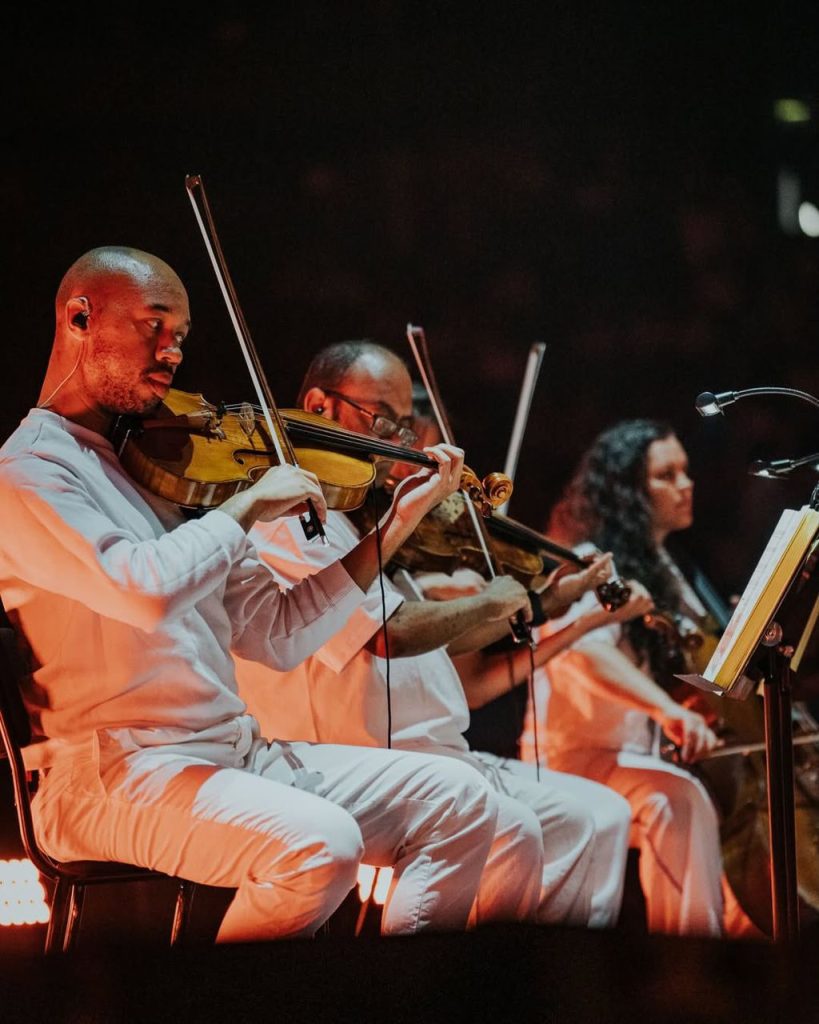
The night’s biggest surprise arrived when Alicia Keys appeared on stage to perform “In Common” alongside him, marking a rare live rendition of the pair’s celebrated collaboration. Additional appearances from South African stars, including the Scorpion Kings, expanded the event into something bigger than a headline set. It became a broader display of Southern African dance music’s growing cultural authority on global stages. Choir arrangements, orchestral instrumentation, and guest vocalists elevated the show beyond the framework of a conventional DJ performance, pushing it closer to a live concert spectacle.
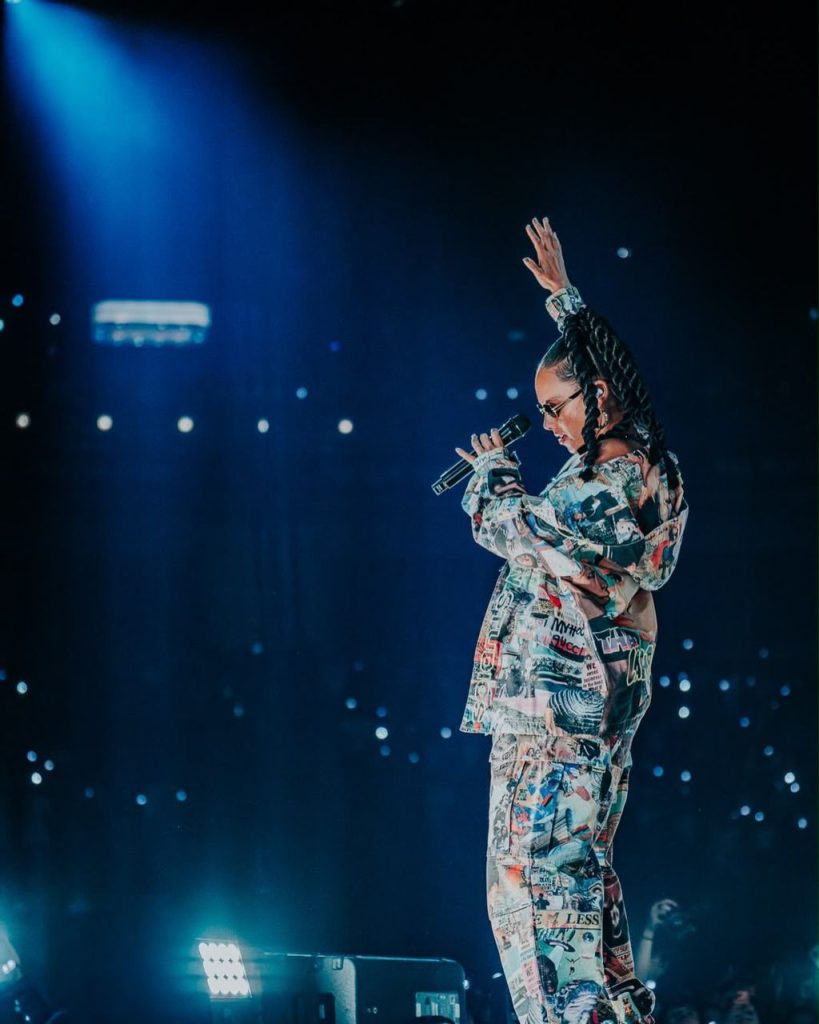
Black Coffee, born Nkosinathi Maphumulo, has spent the last decade building one of the most respected careers in electronic music. From Ibiza residencies at Hï Ibiza to festival appearances at Coachella, Tomorrowland, and Madison Square Garden orchestral performances, he has consistently expanded the possibilities of what African electronic music can look like on the world stage.
Still, the O2 milestone feels uniquely important because of what it represents culturally. African DJs have long influenced dance music globally, but major Western music narratives have often positioned African acts within narrower commercial categories tied mostly to “world music branding”. Black Coffee’s achievement breaks through that framing, placing an African house DJ at the center of one of live music’s biggest commercial stages without compromise or rebranding.

In many ways, the night reflected the current scale of African music’s global expansion. Black Coffee’s arena triumph shows the widening commercial power of African electronic music and amapiano-adjacent sounds. More importantly, it reaffirmed something Black Coffee has quietly built his career on for years: African music can command the world’s biggest stages.