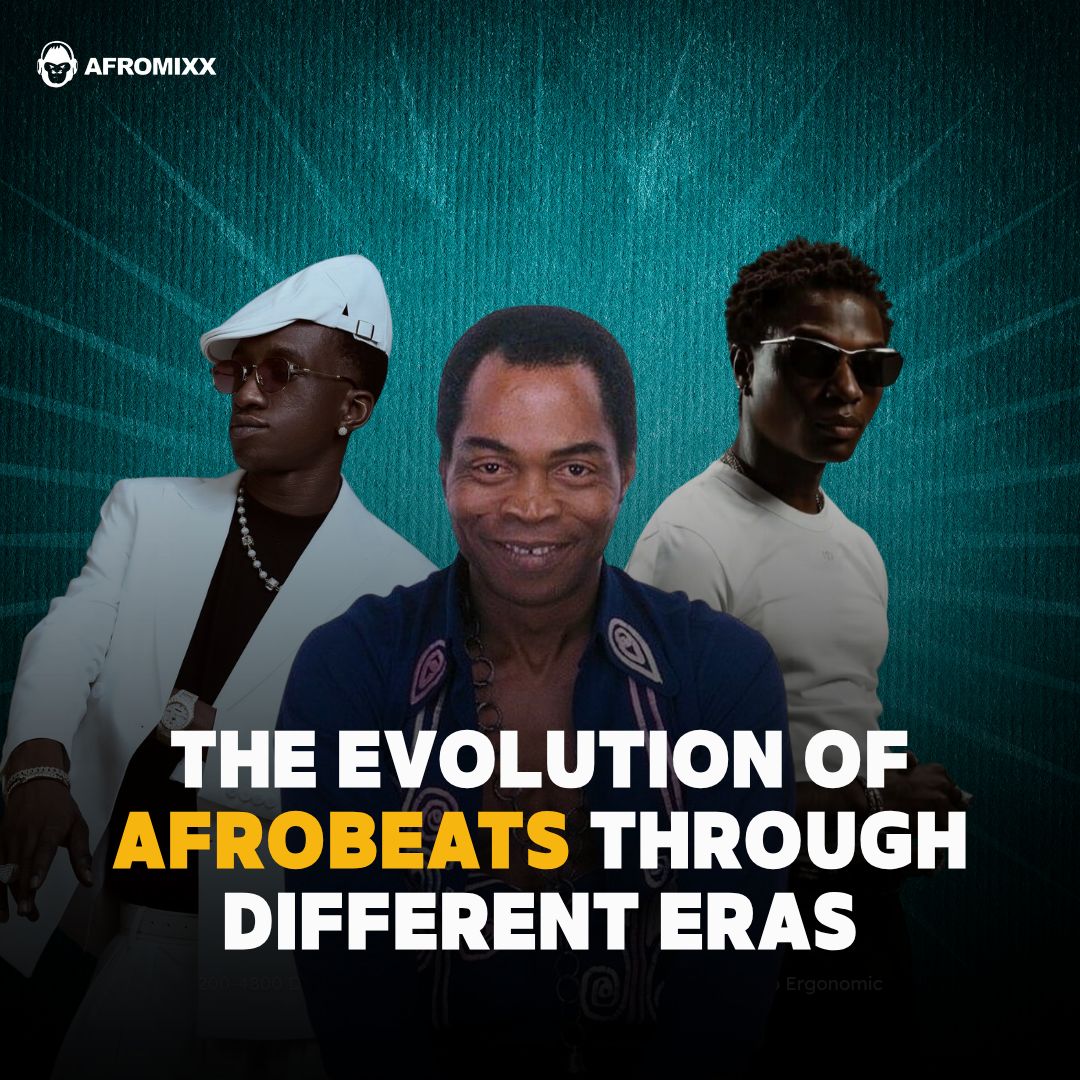
The Evolution of Afrobeats in Nigeria Through Different Eras

There’s a version of my life that only exists on CD racks.
Stacked between scratched discs and handwritten lyrics, sealed in plastic cases that don’t exist anymore.
That version of my life sounds like music playing in the background of a house that was always full of overlapping voices, generators humming, and someone shouting from the kitchen.
Beyond the memories, music has always held context.
Nigerian Music as a Reflection of Reality
If you pay attention long enough, you start to notice something: Nigerian music has never just been about vibes. It has always been a reflection of where we are, what we are going through, and what we are trying to escape.
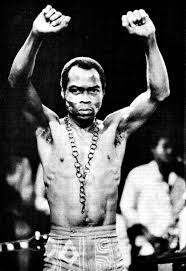
When things were hard, Fela Kuti made songs you could ignore. Tracks like “Zombie” and “Sorrow, Tears and Blood” asked questions people were afraid to ask. His sound carried anger, truth, and a refusal to look away.
That same energy carried into the next generation.
African China’s “Mr. President” didn’t hide behind metaphors. It was direct, urgent, and almost desperate in its honesty.
Even outside overt protest music, there was a certain grit to the sound. Street pop, in its earliest forms, wasn’t aesthetic. It wasn’t curated for virality or crossover appeal.
It was documentation.
In a recent interview with Taymesan, Qing Madi, a nineteen-year-old music star, said that money from music is not normal and affirmed that music is an emotional escape for Nigerians. It is the primary language for people who cannot afford therapy.
She isn’t wrong.
How else can we describe what happened in the 2010’s?
From Survival to Aspiration: The 2010s
It was a peak period for Afrobeats, money was in circulation, and you could tell from the music videos and lyrics alike.
Nigeria didn’t suddenly become easier, but the music began to look outward. The tone changed from survival to aspiration.
Artists like D’banj, alongside Don Jazzy, helped usher in a new era. The sound became more polished, more confident, more intentional about reaching beyond Nigerian borders.
Cue in Wizkid, Davido, and Burna Boy, who didn’t just make hits but expanded the scope of what Afrobeats could be.
There were stories of rise and visibility. Of movement from local recognition to global stages. The music started to travel, and for the first time, it felt like Nigerian artists weren’t just participating in global culture, they were shaping it.
Afrobeats stopped knocking on the door.
It entered the room.
A Return to Street-Hop and Reinvention
Things are hard again. Not in the same ways, but in ways that are just as present, and once again, the music is responding.

There is a noticeable return to street-hop. The rawness is creeping back in. The energy feels less filtered, more immediate, more grounded in the realities people are living through.
Where Memory Meets Innovation
This time, though, things are a bit different.
Today’s sound sits at the intersection of memory and reinvention. Older sounds are being sampled and reimagined. Familiar rhythms are being dressed in new productions. There is a constant conversation between what was and what is.
Artists are not choosing between the streets and the global stage; they are navigating both. There is even a sprinkle of bravado in these emergent artists, Nepopiano if you will.
They understand where they come from, but they are also fully aware of where the music can go.
So the sound becomes a mix of everything: nostalgia, reality, and aspiration.
Afrobeats has evolved, yes, but there is nothing random about it.
Every shift in sound has mirrored a shift in reality.
From the urgency of earlier years, to the polish of global ambition, and now to a complex blend of reflection and response, Nigerian music has remained what it has always been: a living record of the times.