2027 Grammys: Watch the Music Videos for All Five Best African Music Performance Nominees

The 2027 Grammy Awards have unveiled five contenders for Best African Music Performance, bringing together some of the continent’s most recognisable voices alongside a collaboration celebrating Ghana’s indigenous musical heritage. With Nigerian artists accounting for four of the five nominations, this year’s shortlist spans different sounds, musical generations and creative approaches, from Asake’s reflective Afrofusion to the cross-generational pairing of Angélique Kidjo and Ayra Starr. Beyond the recognition, each recording carries its own story, production identity and visual interpretation. Ahead of the 69th Annual Grammy Awards, we’re revisiting the five nominated songs and their accompanying visuals.
The Five Best African Music Performance Nominees
- Asake – “Gratitude”
- Angélique Kidjo feat. Ayra Starr – “Aye Kan (Are You Coming Back?)”
- King Ayisoba feat. Rocky Dawuni – “No Tradition, No Africa”
- Tems – “Big Daddy”
- Wizkid & Asake – “Jogodo”
1. Asake – “Gratitude”
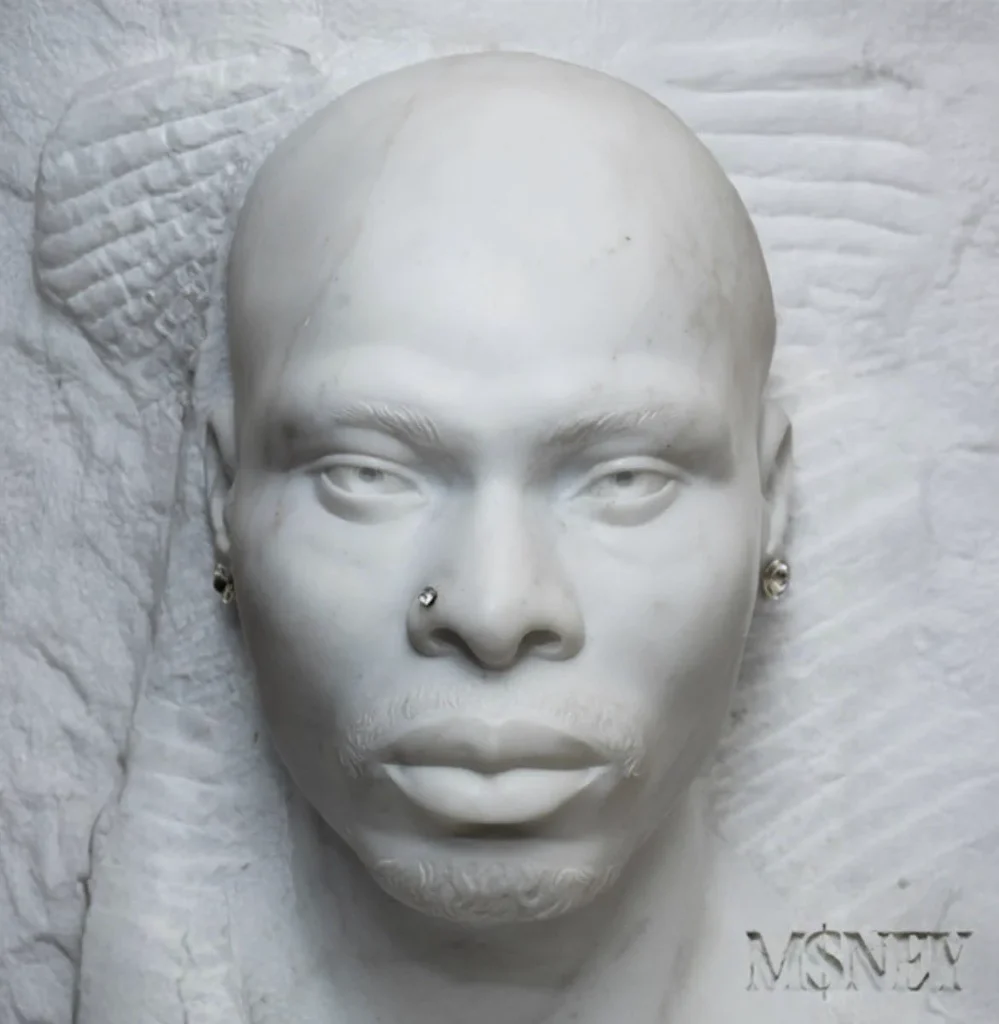
Taken from his fourth studio album, M$NEY, “Gratitude” finds Asake in a reflective mood, turning away from the familiar celebrations of success to acknowledge the journey, the blessings and the forces that have sustained him. Released on April 30, 2026, the Magicsticks-produced record blends Afrobeats and Amapiano influences with a richer orchestral arrangement, incorporating strings, piano, saxophone and backing vocals from a choir. His lyrics move between Yoruba, Pidgin and English, drawing on themes of faith, resilience, personal destiny and appreciation for how far he has come.
The accompanying music video takes the song’s reflective character further with a live studio-orchestra presentation. Directed by Edgar Esteves and Asake, it places the singer in front of a vintage microphone, surrounded by instrumentalists and a choir whose presence gradually builds the performance into something more grandiose. Rather than relying on elaborate settings, the visual allows the music and its arrangement to command attention. It is a fitting visual treatment for one of the more introspective moments on M$NEY.
2. Angélique Kidjo feat. Ayra Starr – “Aye Kan (Are You Coming Back?)”
“Aye Kan” brings together two generations of Beninese-born African music talent in a collaboration that feels as meaningful as it is musically engaging. Released on March 27, 2026, the song appears on Angélique Kidjo’s album ‘HOPE!!’ and pairs her seasoned vocal delivery with Ayra Starr’s contemporary Afropop sensibilities. Produced by Loudaaa, with additional guitar contributions from Femi Leye and saxophone by Bishop Sax, the record moves between English, Yoruba, Pidgin and Fon, creating a lively exchange that reflects the artists’ shared cultural roots. At its centre is a playful but earnest question about love, commitment and the desire for someone to return. The song also explores the idea that genuine affection and emotional connection carry more value than material wealth.
The official music video, directed and edited by Emmanuel Agbeble, was filmed at the legendary Power Station recording studio in New York. Its intimate, warmly lit setting features both singers performing together around a piano, with candlelight and close-up moments capturing their chemistry. The visual keeps the attention on the relationship between the two performers, allowing the generational connection and shared musical heritage to become part of the story. Beyond the collaboration itself, the record represents a full-circle moment for Ayra Starr, who has spoken about how seeing Kidjo win a Grammy as a young girl helped her imagine a similar future for herself.
3. King Ayisoba feat. Rocky Dawuni – “No Tradition, No Africa”
Representing Ghana on this year’s shortlist, “No Tradition, No Africa” is a culturally grounded collaboration between King Ayisoba and Rocky Dawuni. Released on May 29, 2026, and produced by Panji Anoff, the record appears on King Ayisoba’s album ‘Pure Confusion’. It brings together Ayisoba’s unmistakable vocals and traditional two-stringed kologo instrument with Dawuni’s Afro-roots reggae sensibilities, creating a meeting point between indigenous Ghanaian music and contemporary African roots music. The song’s message is direct: cultural heritage and tradition are fundamental to African identity, and losing touch with them means losing an important connection to where we come from. Its use of indigenous languages alongside its musical arrangement reinforces that message, making the record an expression of cultural preservation as much as a musical collaboration.
The official music video extends the song’s cultural message through its Ghanaian setting and representation of indigenous musical identity. Rather than separating the music from the culture that informs it, the visual places both artists and their musical traditions at the centre of the experience. King Ayisoba’s kologo performance remains a defining feature, giving the record a distinctive character that stands apart from the more pop-oriented entries in this year’s category. For Ayisoba, the nomination also marks his first Grammy recognition, while Dawuni adds another nomination to his established Grammy history.
4. Tems – “Big Daddy”
On “Big Daddy”, Tems trades the emotional vulnerability and romantic tenderness that have characterised some of her previous releases for a more assertive, self-assured attitude. Featured on her 2025 EP Love Is A Kingdom, the track is a sleek fusion of Afrobeats and South African 3-step, incorporating syncopated log drums and a rhythm that gives the record its playful but commanding energy. Tems uses the song to address an unimpressive former lover, poking fun at his lack of ambition and the sudden change in his attitude after failing to meet her expectations. Her delivery is breezy, sarcastic and deliberately dismissive, turning what could have been a breakup song into an exercise in confidence and self-worth.
The visualizer’s presentation keeps the focus on the song and the attitude behind it, complementing the record’s confident, unapologetic personality. Even without an elaborate storyline, “Big Daddy” stands out as one of the more rhythmically adventurous entries on the shortlist, with Tems demonstrating how comfortably she can move between alternative R&B textures and contemporary African dance sounds.
5. Wizkid & Asake – “Jogodo”
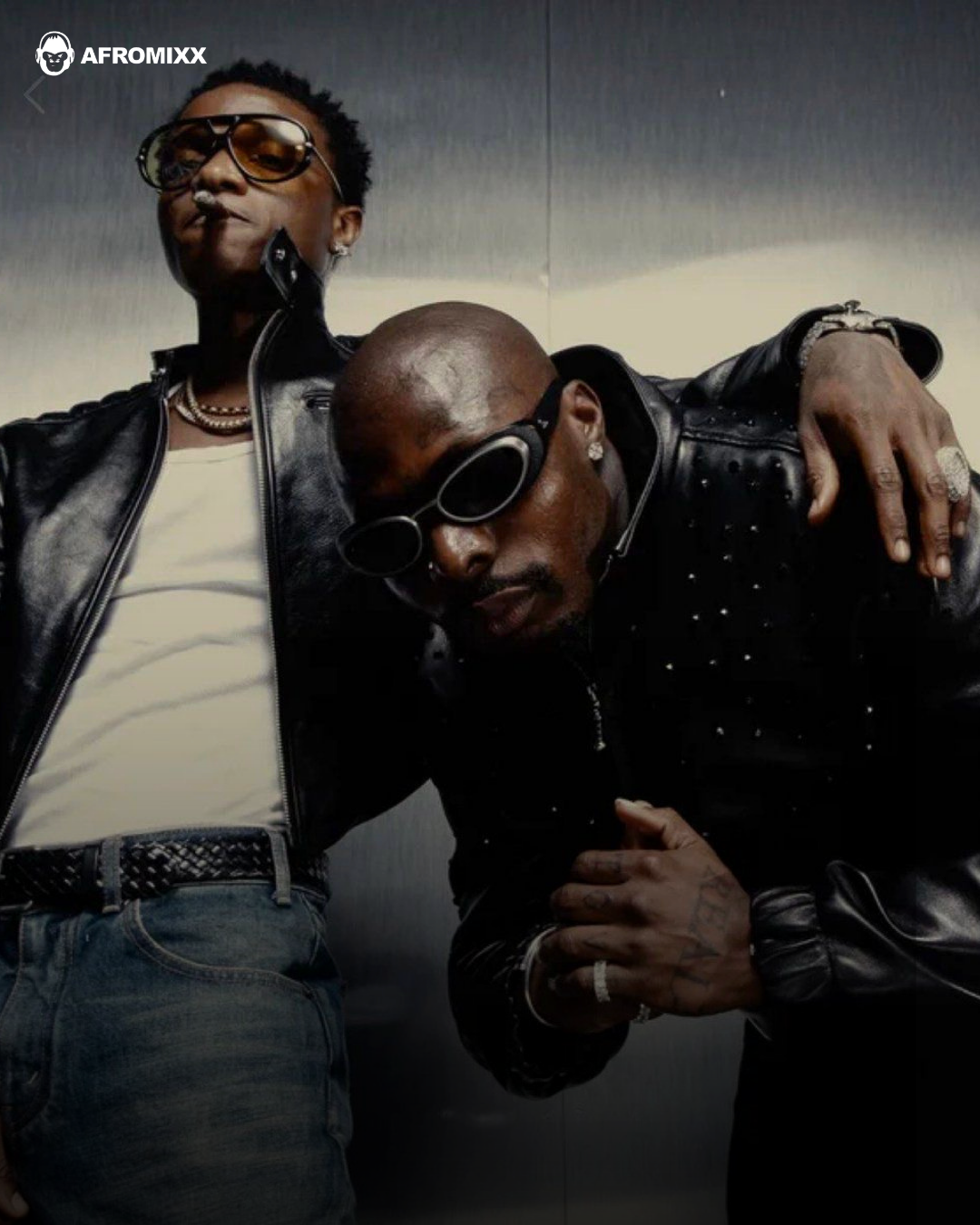
Following the chemistry established on their earlier collaboration “MMS”, Wizkid and Asake reunited for “Jogodo”, one of the defining records from their joint project REAL, Vol. 1. Released in January 2026 and produced by Magicsticks, the track blends Afrobeats with prominent percussion, log drums and brass elements, allowing both artists to lean into their respective strengths without overcrowding the record. Wizkid brings his familiar laid-back melodic delivery, while Asake adds his energetic, Fuji-influenced vocal style. Built around the idea of intoxication and the carefree atmosphere of a good time, “Jogodo” is a celebration of enjoyment, nightlife and the kind of infectious energy that makes a collaboration feel effortless.
The official music video, released in January 2026, gives the collaboration a visual extension of its lively, celebratory character. It brings both artists together, allowing their contrasting personalities and performance styles to share the spotlight. The chemistry is familiar, but the record also reflects how naturally the two artists have developed a shared musical language. As the final entry on this year’s shortlist, “Jogodo” reinforces the strength of their partnership and gives the category another example of Afrobeats’ ability to bring different musical identities together.