How Ayra Starr’s “Tornado” Music Video Brings the Storm to Life

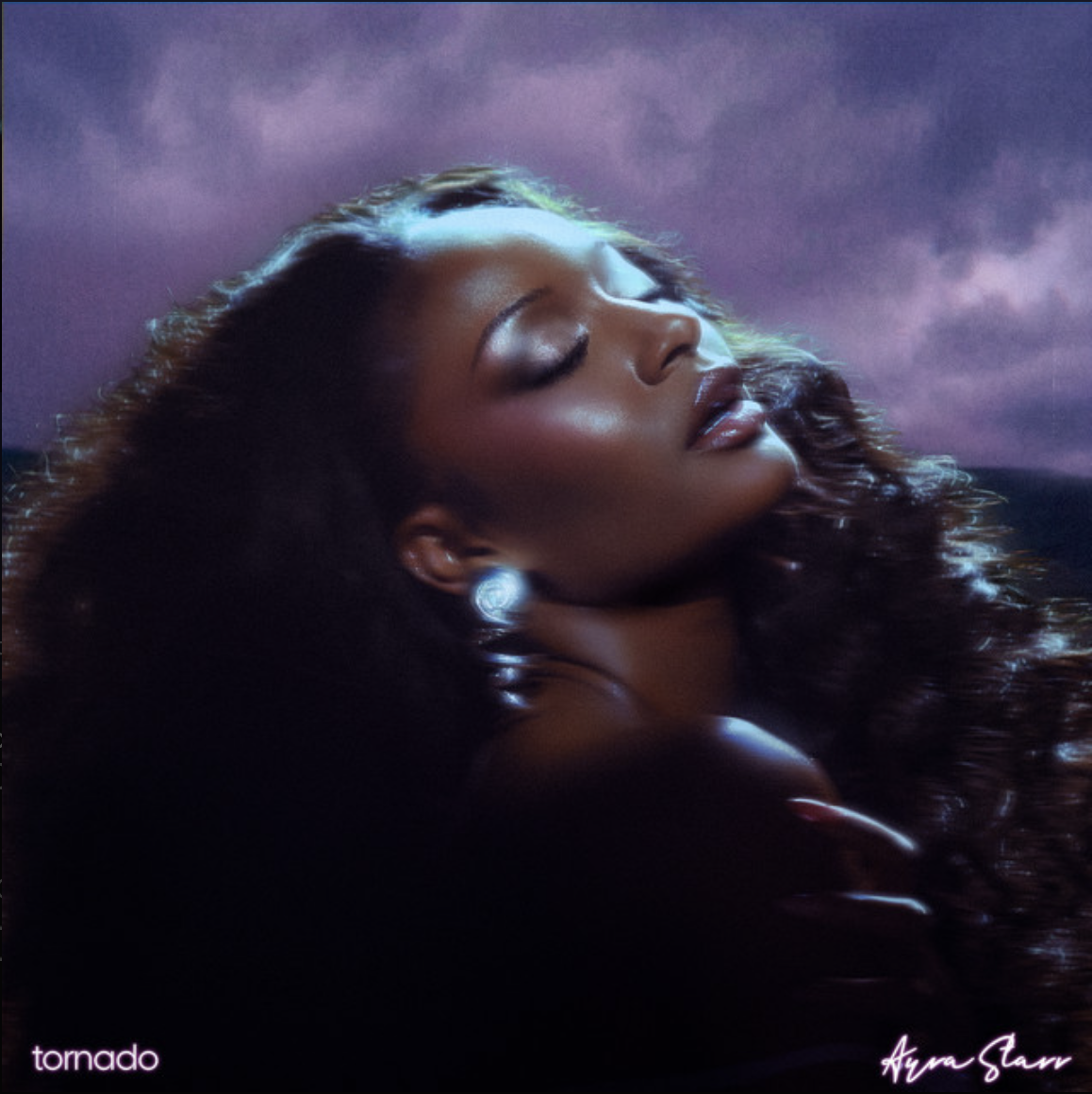
For a song named “Tornado,” Ayra Starr’s music video definitely takes you through a whirlwind of emotions. The fact that we can see the sky in the first few seconds tells you how much attention is being paid to detail.
Ayra Starr’s visual, directed by Melchior Leroux, looks at the expectation that comes with a song like this and decides the weather itself should rearrange around her. What emerges is a strange collision of sci-fi fever dream, high-fashion editorial and miniature apocalypse, still locked tightly to the song’s swagger.
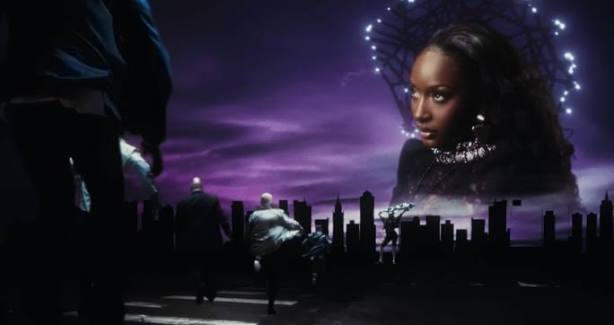
The sky sits there from the opening frames, wide and slightly wrong, already hinting that the ground rules have changed. Later, it turns purple and bruised. Thunder cracks, the atmosphere thickens and trees move with a breeze that reminds you of the effects of a tornado.
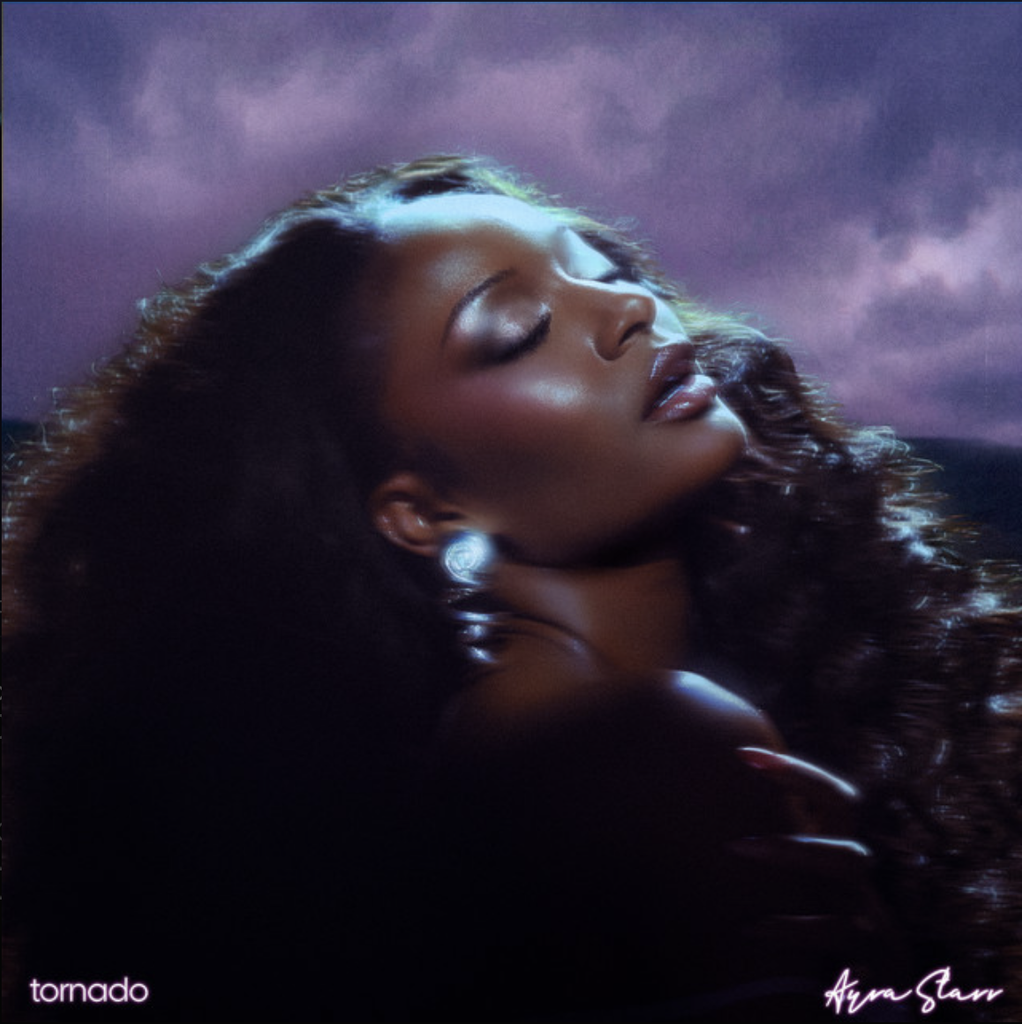
The Sky Is Already Telling Us Something
Ayra spinning through the clouds is the first clear statement of scale. She is not sheltering from the weather. She is above it, inside it, somehow responsible for it. The contrast is delicious.
She moves through the frame with the calm of someone who knows the storm answers to her schedule. That unbothered quality becomes the video’s central joke and its sharpest idea. The tornado is not an external threat. It is her natural weather system.
A cat materialises, or transforms, with the casual logic of a dream. One moment the frame is coherent; the next, an animal is simply there, adding another layer of mild unreality.
Nearby, men walk in a loose queue toward a hotel with the blank focus of people who have forgotten why they started walking. Their movement is mechanical, slightly off. They are inside the system but not driving it.
Ayra stands in the middle of all this, performing as if the entire scene is merely set dressing for her verse.
Ayra Starr Is the Storm
This is where the video stops illustrating the song and starts embodying it.
At roughly 1:24, she picks up a pilot and discards him with the same casual force most people use to put down a glass. Seconds later, her fingernails catch light, or fire, and the men lean in to light their cigarettes from her hands.
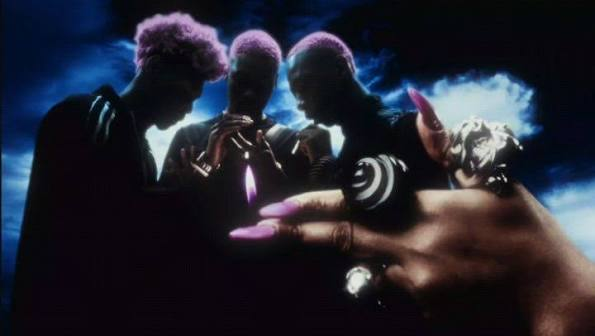
They are all extensions of the same visual grammar: she is both the performer and the force rearranging the physics of the room.
The air-hostess uniforms and pilots expand the metaphor sideways. A tornado is movement, altitude, sudden loss of control. Aviation imagery adds another layer of travel and height without forcing a tidy reading. The uniforms also feed the video’s slightly retro-futurist mood, as if the storm has pulled fragments of different eras into the same frame.
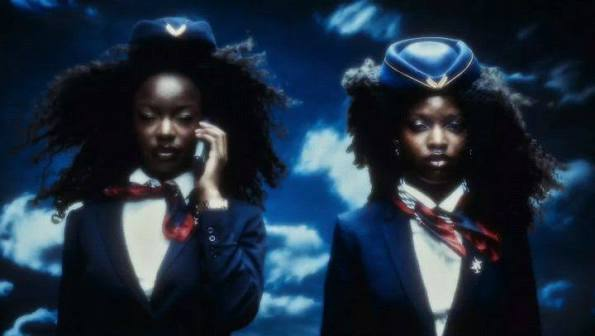
Everyone Else Is Caught in the Whirlwind
Skillies and RiotUSA build a track with insistent percussion, a bassline that sits low and hypnotic, and synth textures that shimmer rather than scream.
The rhythm circles without collapsing.
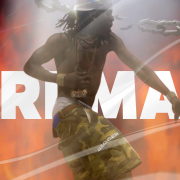
Ayra’s delivery stays assured, almost conversational in places, never frantic. That vocal calm mirrors her visual composure. While bodies fall, leaves fly and people hang suspended, her voice remains the still centre.
The song itself behaves like a musical tornado and the production gives the song movement without making it feel frantic, leaving enough room for Ayra’s voice and the visual world to remain the focus.
When the Song Becomes the Visual
Darkness, purple, fire and shadow do the rest of the atmospheric work.
The palette refuses the bright, clean look of a standard performance video. It stays nocturnal even when the sky is visible. Falling figures, moving leaves and sudden flares of light create constant motion without turning the frame into pure noise.
That attention to the environment is one of the video’s strongest details. The chaos does not only live in the characters. It lives in the world around them.
What holds “Tornado” together is that none of these details feel random.
The video understands its central idea and keeps returning to it from different angles.