Why Are Female Musicians Expected to Be Morally Perfect?

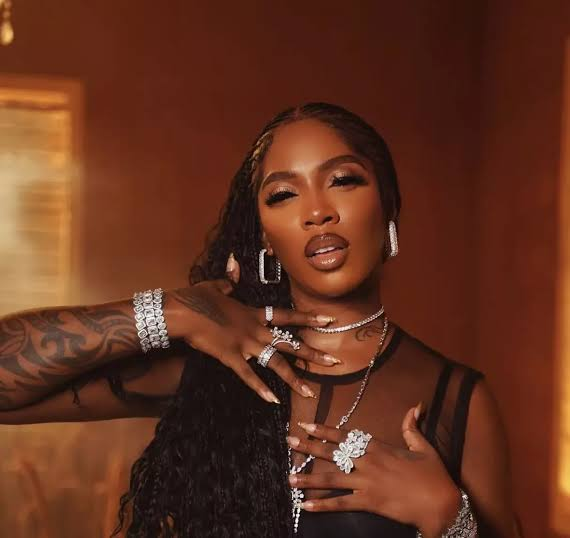
A while ago, Tiwa Savage sat for an interview and revisited one of the most invasive moments of her public life. The private video that circulated in 2021, she said, had not appeared online by accident. Her then-boyfriend had shared it, she alleged, to settle a bet with a friend.
Five years after the images first spread, the singer was still required to explain the circumstances of her own violation, to reassert that she had been a victim, and to navigate the residual judgments that trailed the original leak.
Why Scandals Stick Differently for Female Musicians
Tiwa Savage’s career did not collapse under the weight of that exposure, yet the conversation that followed rarely stayed fixed on the breach of trust or the non-consensual distribution of intimate material. It drifted, as such conversations often do when the subject is a woman, toward questions of character, judgment, and suitability.
What kind of woman records such a video? What does this say about her values?
The music, the performances, the years of craft that had already established her as one of Afrobeats’ most consistent voices, receded into the background.
This is the double standard that continues to shape how audiences encounter female musicians. Male artists move through controversy with a different velocity. Their missteps register, generate headlines, and then settle into the larger story of a complicated talent whose work remains the main event. The path back to discussion of melody, production, and stage presence is shorter.
For women, the scandal tends to expand until it colonizes the entire narrative of who they are allowed to be.
Male Artists, Messy Lives, and the Quick Return to the Music
Consider the public record of certain male peers within the same ecosystem.
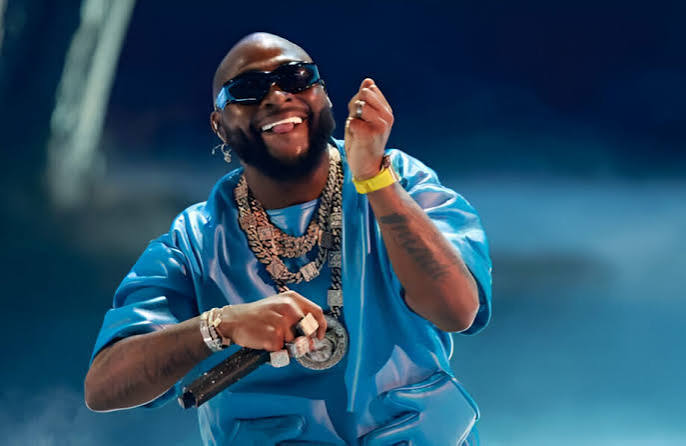
Davido has navigated repeated cycles of relationship drama, contested paternity claims, and highly visible personal turbulence. The coverage has been intense, sometimes relentless, yet the center of gravity returns with striking speed to the music itself: the chart positions, the stadium shows, the anthems that keep the culture moving.
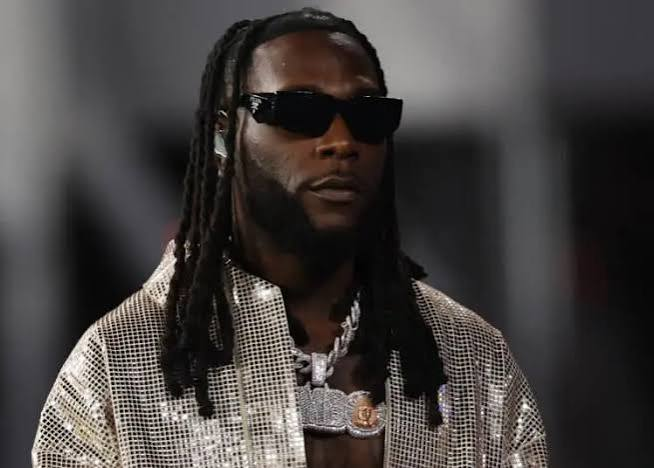
Burna Boy has faced his own sequence of public disputes, from onstage incidents to legal entanglements involving security and allegations that surface and recede. Through it all, the conversation reorients toward the albums, the global tours, the unmistakable force of the work. The talent absorbs the friction. The man remains primarily an artist who happens to live messily.
Respectability Politics and the Role-Model Burden
Female musicians rarely receive the same separation.
A private leak, a public romance that ends badly, a photograph that circulates without context, and the discussion pivots to moral accounting.
Respectability politics still operate with particular force in African popular culture, where the woman on stage is often asked to embody not only entertainment but a form of communal virtue. She must be aspirational without being reckless, sensual without being compromised, successful without appearing unmoored from traditional expectations of propriety.
The burden of the role model attaches early and rarely loosens. Male artists are permitted the romance of excess; female artists are measured against the ideal of exemplary conduct.
The Double Bind of Sexuality on Stage and Off
The contradiction grows sharper around sexuality.
Female performers in Afrobeats and related scenes are routinely celebrated for the visual power of their videos, the physical command of their live shows, the ability to project desire and confidence. The industry rewards the performance of allure.
Yet the moment that same sexuality appears outside carefully managed frames, outside the choreographed image that audiences have already approved, the reaction turns punitive. The private becomes evidence of failed character rather than ordinary human complexity.
The same culture that consumes the staged sensuality recoils when the real body, the real relationship, the real vulnerability becomes visible without permission.
Afrobeats, Male Excess, and the Uneven Moral Scorecard
Within Afrobeats specifically, the contrast is embedded in the music itself.
Male artists routinely celebrate excess, the accumulation of wealth, the free exercise of desire, the assertion of control. Listeners absorb the lyrics about multiple partners, lavish spending, and sexual conquest without pausing to interrogate the singer’s moral fitness. The swagger is part of the product.
Female artists who touch similar territory, or whose private lives become public, find themselves converted into case studies. Their choices are weighed for broader cultural meaning. The music becomes secondary to the question of whether they have lived up to an unspoken standard of rectitude.
What Grace Looks Like When the Music Starts Playing
The algorithm favors the moral case study. A woman’s private life offers ready material for judgment; a man’s offers material for lore. The distinction is not always conscious, yet it is consistent enough to shape careers.
The questions that remain are cultural rather than judicial.
Why does the private life of a woman on stage so readily become a referendum on her worthiness to occupy that stage? Why does the same culture that grants male artists the latitude to be flawed and fascinating withhold comparable grace from their female peers?
If male artists are allowed to be complicated people who make great music, why do we still expect female musicians to prove they deserve the same grace before we press play?