Seyi Vibez, Bnxn, Clean Bandit, ReeKAH and More on New Music Friday


Another New Music Friday arrives with a packed selection of African and global releases, as established stars, rising voices and unexpected collaborations add new colour to the week’s listening queue. From Seyi Vibez expanding his street-pop world on ‘SWAGUU‘ and BNXN leaning into a more intimate mood on “ONLINE,” to Clean Bandit linking up with Chlöe and Omah Lay on “Company” and REEKAH introducing her REEPLAY EP, this week’s releases move freely between Afrobeats, Afropop, dancehall, R&B and electronic pop. There is plenty to explore across the new drops, whether you are looking for an album to sit with, a catchy new single or a record that catches you off guard on first listen. Here are the releases making our New Music Friday playlist this week.
Seyi Vibez — SWAGUU
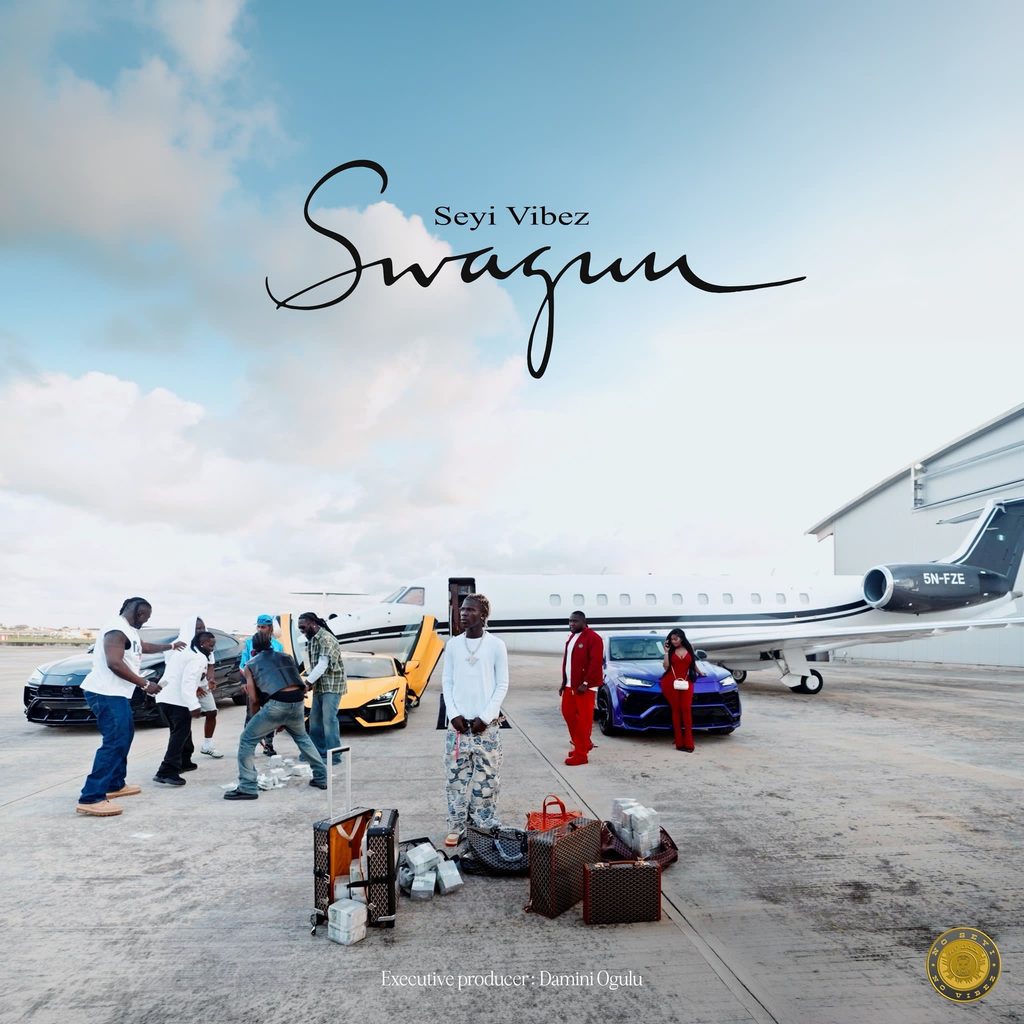
Seyi Vibez enters another phase of his evolution on SWAGUU, a 14-track album that finds the street-pop star sounding increasingly comfortable with the scale of his ambitions. Executive produced by Burna Boy, the project moves beyond the survival and struggle that have long coloured his music, making more room for wealth, love, faith, status, and the complicated realities that come with success. From the opening “VOLUME,” where he reflects on the work required to sustain everything he has built, to “DIAMONDS” and “MELANIN,” Seyi sounds like an artist taking stock of his position while still reaching for more. Seyi Vibez’s ‘SWAGUU’ is positioned as a meditation on self-actualization and life in the fast lane, and that tension between relentless ambition and the desire for meaningful connection runs through much of the album.
Musically, SWAGUU doesn’t require Seyi Vibez to abandon the identity that brought him here. His Yoruba-led writing, elastic melodies, and street-pop instincts remain firmly intact, but they are placed against a broader palette that allows him to move between reflective, romantic, and high-energy records without losing his center. “PANSA” leans into call-and-response and self-mythologising, “GOD” turns inward with its spiritual undertones, while “EL JAJA” and “OBLE” reconnect him with the rawer, communal energy of the streets. The latter draws from DJ YK Mule’s “Oblee”, itself connected to Seyi’s earlier “Flakky”, giving the project a nice sense of continuity with the sound and culture that helped shape his rise.
The album ultimately feels like an expansion. Seyi Vibez is still making music rooted in the Nigerian street experience, only now from a position of greater visibility, money, and international ambition. That becomes clearest on the title track, where Quavo provides the project’s sole guest appearance and gives the album its most overtly global moment. Across its 34-minute runtime, ‘SWAGUU’ feels like Seyi Vibez documenting the distance between where he started and where he currently stands—with enough hunger left to suggest that, for him, arrival is still another form of beginning.
BNXN — “Online”

BNXN returns with “Online”, a breezy but quietly reflective record that finds him turning the idea of being constantly connected into something more personal. Rather than making a heavy-handed statement about social media or modern life, BNXN approaches the subject with his usual conversational ease, singing about the exhaustion of being perpetually available and the desire to occasionally step away from the noise. His warm, slightly grainy vocal tone does much of the work, giving the song a relaxed quality even as he wrestles with the pressures of always being reachable. Released through T.Y.E and EMPIRE, “Online” arrives as the latest preview of his forthcoming six-track ‘Still In Charge’ EP.
Sonically, the record sits comfortably in the lane BNXN has spent years refining: contemporary Afrobeats with a soulful undercurrent, an easy rhythmic pocket and a chorus designed to settle quickly into your head. There is no excessive production gymnastics here. The appeal comes from how naturally the melody, groove and vocal performance fit together, allowing BNXN to sound effortless without the song becoming weightless. That balance is particularly useful for a record about disconnecting; “Online” feels like something you can play casually while still catching the little frustrations and observations tucked into its writing. Its early streaming response has also been encouraging, with the song already appearing inside Nigeria’s Apple Music Top 10 on release week.
Coming after his Asake collaboration “Eja Meja,”, “Online” continues to show BNXN moving comfortably between the more expansive Afrobeats space and the intimate, personality-driven songwriting that has always been central to his appeal. It is not a radical departure, and perhaps that is the point. BNXN sounds settled here, using a simple premise to create a record that is catchy on first contact but reveals a little more personality with repeated listens. As a preview of ‘Still In Charge’, “Online” suggests an artist who is less interested in proving he can make noise than in reminding listeners that he knows exactly how to make his own frequency heard.
Clean Bandit, Chlöe and Omah Lay — “Company”

Clean Bandit, Chlöe, and Omah Lay make an unexpectedly natural combination on “Company,” a warm, dance-ready collaboration built around a simple need: wanting somebody around when everything else feels like too much. Clean Bandit provide the bright electronic-pop framework, while Chlöe and Omah Lay bring contrasting shades of intimacy to the record. Chlöe leads with a confident, yearning vocal performance, singing about needing someone’s presence over material things, while Omah Lay’s hazier Afrofusion delivery gives the song a softer, more sensual centre. The result is a record that feels deliberately global without sanding away the individual personalities of its three contributors.
There is a lot of movement in “Company”, but it never feels overworked. The production stays buoyant and polished, with its electronic textures giving way to the warmer rhythms and melodic instincts associated with Omah Lay. Chlöe’s natural ad-libs add another layer to the hook, while Omah Lay sounds particularly at home inside the song’s romantic atmosphere. Thematically, the record circles desire, loneliness, and human connection, but it approaches those ideas with the lightness of a late-summer pop record rather than turning them into a heavy emotional exercise. At just under three minutes, it gets in, establishes its mood, and leaves before the formula has a chance to wear thin.
“Company” ultimately works because none of the three artists has to completely surrender their identity for the collaboration to make sense. Clean Bandit get another polished crossover record, Chlöe gets a spacious production bed for her vocals, and Omah Lay continues his increasingly international run harnessed the soulful, emotionally tinted sound that has defined his music. Following the era of hos sophomore album ‘Clarity of Mind’, the collaboration adds another interesting entry to Omah Lay’s growing catalogue of records that place his Afrofusion sensibilities in unfamiliar musical environments. It is an easy, glossy listen with enough chemistry to make the unlikely pairing feel considerably less unlikely by the end.
ReeKAH — “Like Dat”
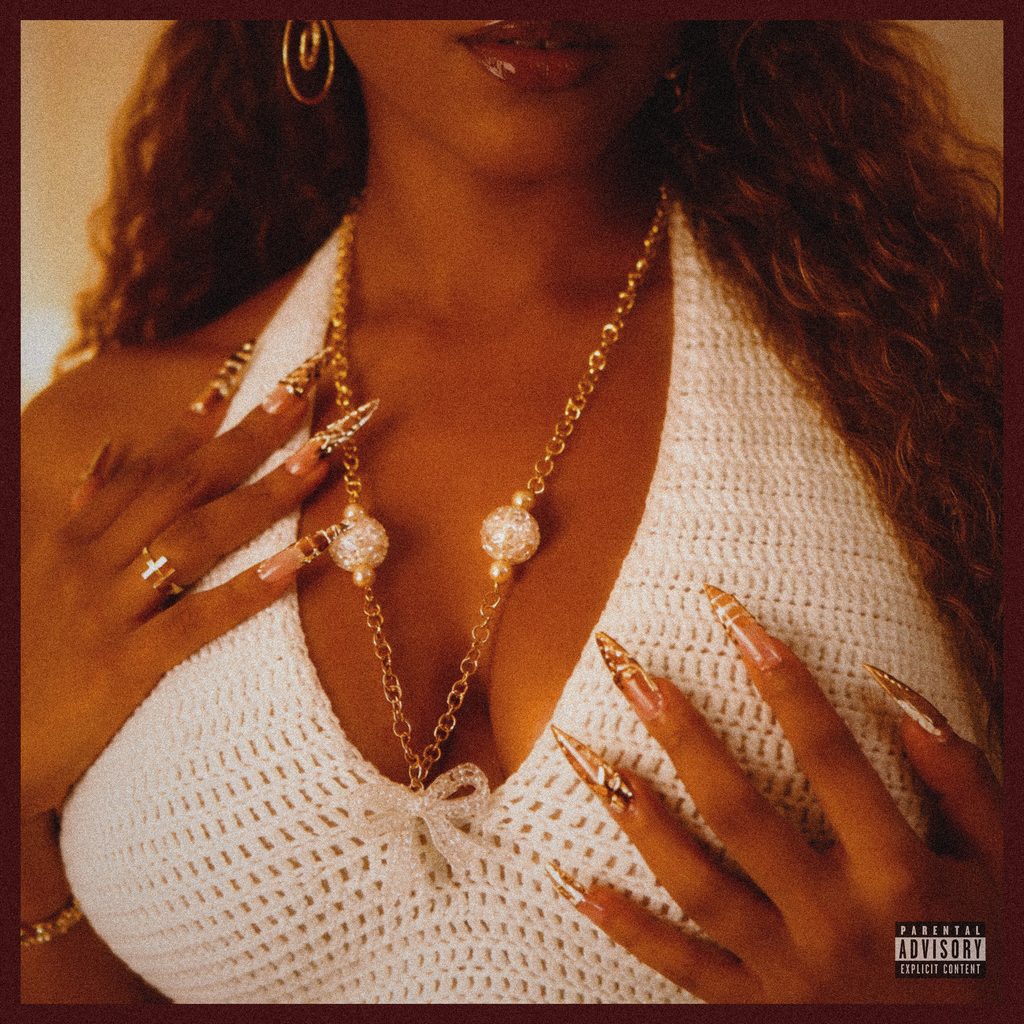
“Like Dat,” the third track on ReeKAH’s newly released five-track REEPLAY EP, is where the project settles into its most seductive pocket. Built around a smoky bassline, a dancehall-leaning rhythm and ReeKAH’s flirtatious delivery, the song creates the feeling of an intimate exchange that the listener somehow gets pulled into. Its sticky “I like dat, I like dat, gimme dat, gimme dat, hm” hook is deliberately simple, giving the record an immediate, almost hypnotic quality. There is also something nostalgic about its production: beneath the contemporary polish is the bounce and low-end warmth of a Y2K Nigerian pop record, the kind of song that could have lived comfortably in the era of early Afropop experimentation while still sounding current.
Juice Coal adds another dimension to that atmosphere, matching ReeKAH’s energy rather than interrupting it. His patois-tinged delivery brings a distinct dancehall flavour to the record, giving their back-and-forth a looseness that makes the chemistry feel natural. ReeKAH has spoken about REEPLAY as a project centred on desire, confidence, vulnerability and self-discovery, and “Like Dat” captures the more playful end of that spectrum. It is sensual without becoming overly serious, allowing the groove and the two voices to carry the fantasy. The result is one of those records where the production does as much storytelling as the lyrics: the bassline pulls you closer, the rhythm keeps you moving, and the vocals make the whole thing feel like a private conversation happening in public.
What makes “Like Dat” particularly interesting within ‘REEPLAY’ is how confidently ReeKAH inhabits this sound. She doesn’t chase the maximalist energy often associated with contemporary Afrobeats, she leaves enough space for texture, rhythm and vocal chemistry to breathe. At just 2:24, the track is short enough to remain teasing, but its combination of Afropop nostalgia, dancehall influence and sultry songwriting gives it a distinct identity within the EP’s broader exploration of intimacy and self-expression. ‘REEPLAY’ positions ReeKAH as an artist interested in making her own sonic world, and “Like Dat” might be its most immediately immersive invitation into it.
Ayokeeng — “Mother’s Tongue”
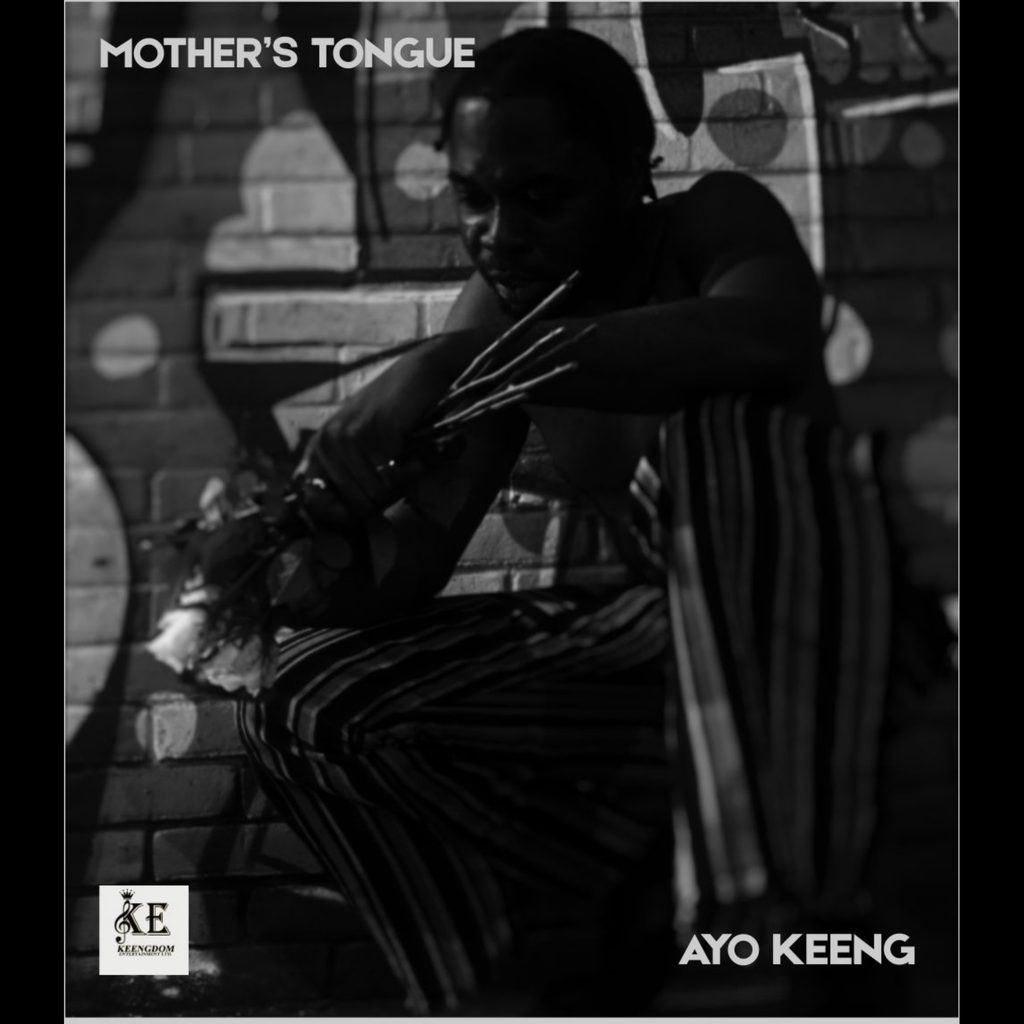
Ayokeeng turns Nigerian heartbreak into a multilingual Afropop confession with Mother’s Tongue, a slow-burning record that explores love, loss, regret and the language we instinctively return to when emotions become too heavy to articulate.

At its heart, Mother’s Tongue is built around a simple truth; English can explain the situation. Pidgin can express the frustration. But when the pain becomes real, you return to the language that raised you.
From its talking drum introduction to its seamless movement between English, Pidgin and Yoruba, Ayokeeng creates a record that feels deeply Nigerian while remaining universally relatable. He captures the aftermath of heartbreak in vivid detail, moving from reminiscing about a lost relationship to confronting the mistakes that came with it, before ultimately finding his way back to himself.
The song’s defining refrain; it is a reflection of how Nigerians experience and communicate emotion. Whether it is Yoruba, Igbo, Hausa, Pidgin or another native language, there are certain feelings that simply sound different when expressed in the language closest to home.
Mother’s Tongue also finds Ayokeeng embracing the vulnerability of heartbreak without losing the melodic sensibility of contemporary Afropop. The result is an emotionally rich record that feels intimate enough for the person processing a breakup alone, yet universal enough to become the soundtrack to someone else’s heartbreak story.
With Mother’s Tongue, Ayokeeng is not just telling his story. He is giving listeners the language to tell theirs.
LISTEN TO THE FULL NEW MUSIC FRIDAY PLAYLIST BELOW