Who Really Owns the Music Nigerian Artists Make?


As African music grows into a global business, questions about who owns the recordings behind its biggest hits are becoming increasingly important.
A song can generate revenue for years through streaming, film placements, advertising and other licensing opportunities. However, the artist who records a song does not automatically own the master recording.
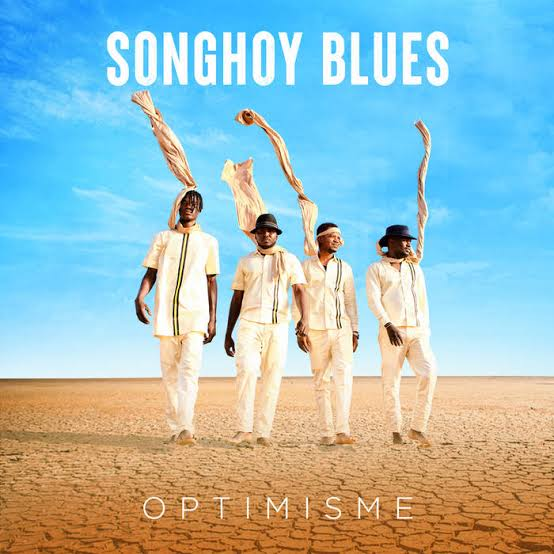
A recent development involving Malian band Songhoy Blues offers an example of how artists can approach music ownership differently. On their 2025 album Héritage, the band’s company, Studio Mali LLC, owns the master recordings, while British independent label Transgressive Records holds an exclusive licence to exploit them.
The arrangement differs from the band’s first three albums, which credited Transgressive as the master owner.
What Does Master Ownership Mean?
A master recording is the original recorded version of a song. Its owner controls the commercial use of that recording, including licensing it for films, advertisements and other projects.
Master ownership differs from publishing rights, which cover the underlying composition, including the lyrics and musical arrangement.
An artist who owns their masters can still partner with a record label for distribution, marketing and promotion. The label receives permission to exploit the recordings under agreed terms without necessarily owning them.
This distinction can give musicians access to international markets while allowing them to retain control over an important part of their intellectual property.
Burna Boy and Davido Offer Examples of Artist Ownership
Nigerian artists Burna Boy and Davido offer useful examples of how musicians can structure international label partnerships while retaining ownership of their recordings.
Burna Boy’s release credits identify his company, Spaceship, as the owner of his master recordings. Atlantic Records and Bad Habit hold exclusive licences to exploit the recordings outside Africa.
Davido’s releases from August 2018 also identify his company as the master owner, with Sony Music Entertainment UK listed as the exclusive licensee. The arrangement appears on projects including A Good Time, A Better Time, Timeless and 5ive.
These examples show that signing with an international record label does not automatically mean surrendering ownership of a catalogue.
However, the terms of each agreement determine the rights an artist retains, the territories a label controls and how long those arrangements last.

Nigerian Music Label Disputes Highlight Contractual Risks
Disagreements between artists and record labels have also brought music ownership into public discussion.
In July 2026, the High Court of the Federal Capital Territory ruled in a dispute between singer Runtown and his former label, Eric Many. The court found that Runtown remained bound by a 2016 recording agreement because he had not lawfully terminated it. It also ordered him to deliver master recordings for an album and pay the label ₦266.69 million in outstanding investment and expenses, alongside damages and legal costs.
The case demonstrates how recording agreements can continue to affect an artist’s career long after a professional relationship breaks down.
More recently, disagreements between Dapper Music and former artists Shallipopi, Seyi Vibez and T.I Blaze have raised questions about recording contracts, royalties and catalogue ownership.
The artists have made allegations about their agreements and dealings with the label, while Dapper Music’s founder, Damilola Akinwunmi, has defended the company’s contracts and investments.

The disagreements highlight the importance of understanding contractual terms before signing away recording rights.
Why Music Ownership Matters for African Artists
The conversation comes as African music generates increasing revenue across streaming platforms and international markets.
According to BusinessDay, Nigerian artists generated more than ₦60 billion from Spotify in 2025, with their music receiving 30.3 billion streams.
As catalogues become more valuable, ownership arrangements will determine who benefits from their long-term commercial success.
For emerging artists, record labels can provide funding, distribution, promotion and access to larger audiences. In return, some agreements give labels ownership of the masters or a share of the revenue generated by the recordings.
Neither arrangement is automatically unfavourable. However, musicians need to understand what they are giving up, how labels calculate their earnings and what happens to their recordings when contracts expire.
Songhoy Blues, Burna Boy and Davido demonstrate that artists can pursue different ownership arrangements while working with established labels.
As African music continues to expand internationally, understanding the business behind a hit will matter just as much as making one.