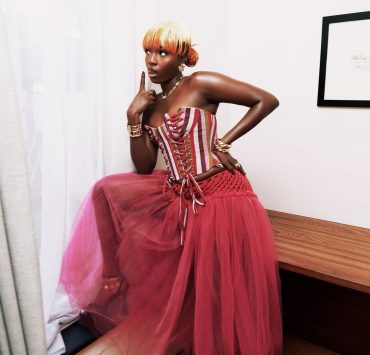
Solana, DJ Tunez, Xenia Manasseh, Khaid, Zinoleesky and More on New Music Friday


Another Friday, another fresh batch of records competing for a place on your playlist. This week’s New Music Friday brings together an interesting mix of established names, rising talents and unexpected musical partnerships, with artists exploring different sounds, revisiting familiar influences and pushing their creative identities in new directions. From Khaid’s unlikely meeting with Fuji heavyweight King Dr. Saheed Osupa on ‘Yasin’ and Zinoleesky’s return with ‘Omo Ologo’ to DJ Tunez assembling an impressive cast of collaborators on ‘In Tunez We Trust Vol. 1’, there is plenty to get into. Elsewhere, Solana offers a deeper introduction to her YoruPop identity on ‘Girl From The West’, while Xenia Manasseh turns towards Nairobi’s vibrant creative community on ‘NBO ‘X’ PRESS’. Across these releases, the week’s selection captures the range of ideas, influences and collaborations shaping African music right now. Whether you’re looking for something to add to your rotation or an emerging sound worth paying closer attention to, we’ve rounded up the releases deserving a spot on your radar this week.
Solana — Girl From The West
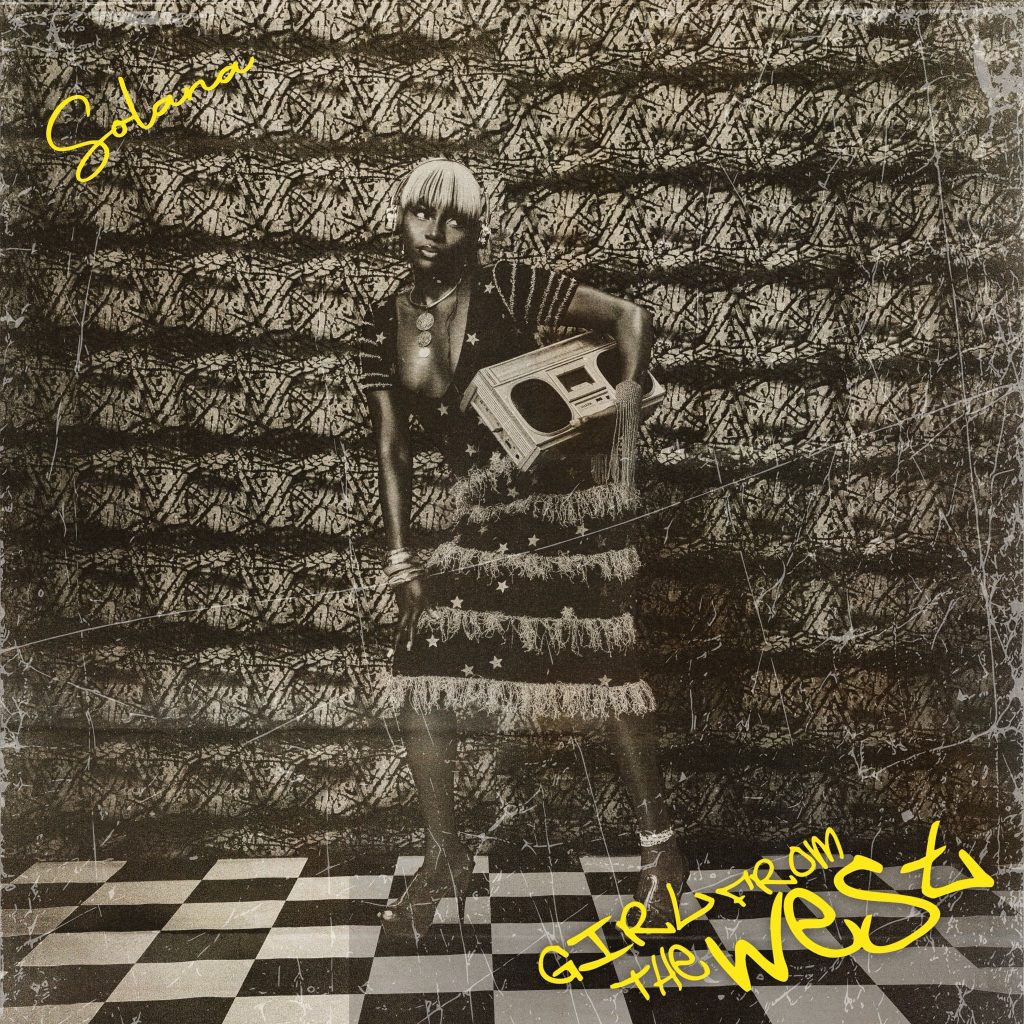
Five months after ‘Okunkun’ introduced her unconventional musical identity to a much wider audience, Solana is making a case for creative freedom on her debut EP, ‘Girl From The West’. The seven-track project arrives with a clearer sense of the musical identity she has been gradually building, drawing from Yoruba culture, Fuji, alternative R&B, synth-pop and electronic influences. Produced, mixed and mastered by longtime collaborator Killertunes, the EP brings together two creative minds whose willingness to experiment has become central to Solana’s growing appeal.
The project opens up a conversation around YoruPop, the identity Solana has attached to her music. While ‘Okunkun’ provided the first major glimpse into this world, records like ‘Dide’ and ‘O Ri Mi’ had already begun establishing the different emotional and sonic directions she was willing to explore. The seven-song collection also includes ‘FAaji’, ‘Get the Money’, ‘Little Birdie’ and ‘Don’t Want’, giving listeners a wider selection of material to understand her artistic interests. Much of her songwriting is rooted in Yoruba, a deliberate creative decision that gives her music a cultural foundation while allowing her to experiment with contemporary pop arrangements.
The new cuts expand the palette without abandoning the centre. “FAaji” and “Get the Money” open with brighter, more exuberant energy. “Little Birdie” and “Don’t Want” sit in the more vulnerable, personal lane that Solana has described as the project’s core. Across the EP the production stays colourful and restless: drums, synths, syncopated rhythms, moments that nod to Fuji legends she grew up on (King Sunny Adé, Ebenezer Obey, Lagbaja) and the pop she absorbed alongside them. It never settles into one mood for long, which is the point.
There is also something particularly interesting about the timing of this release. ‘Okunkun’ was written in 2023 but took years to see the light of day, partly because of doubts surrounding its unconventional sound. Its eventual reception, including attention from international names such as SZA, Little Simz, Tyla and Diplo, has helped create an entirely different landscape for the singer. Now signed to Since ’93 Records, Solana has a new platform from which to introduce her music to a wider audience. ‘Girl From The West’ consequently feels like an important introduction to an artist who is still discovering the full possibilities of her sound. Rather than allowing one successful record to define her, she is building an identity around the freedom to explore, experiment and remain connected to her roots.
‘Girl From The West’ confirms Solana as one of the more interesting new voices in the current African pop conversation. The YoruPop framing isn’t just branding; it’s a working method that lets language, rhythm and electronic colour sit in the same frame.
Khaid, King Dr. Saheed Osupa — Yasin
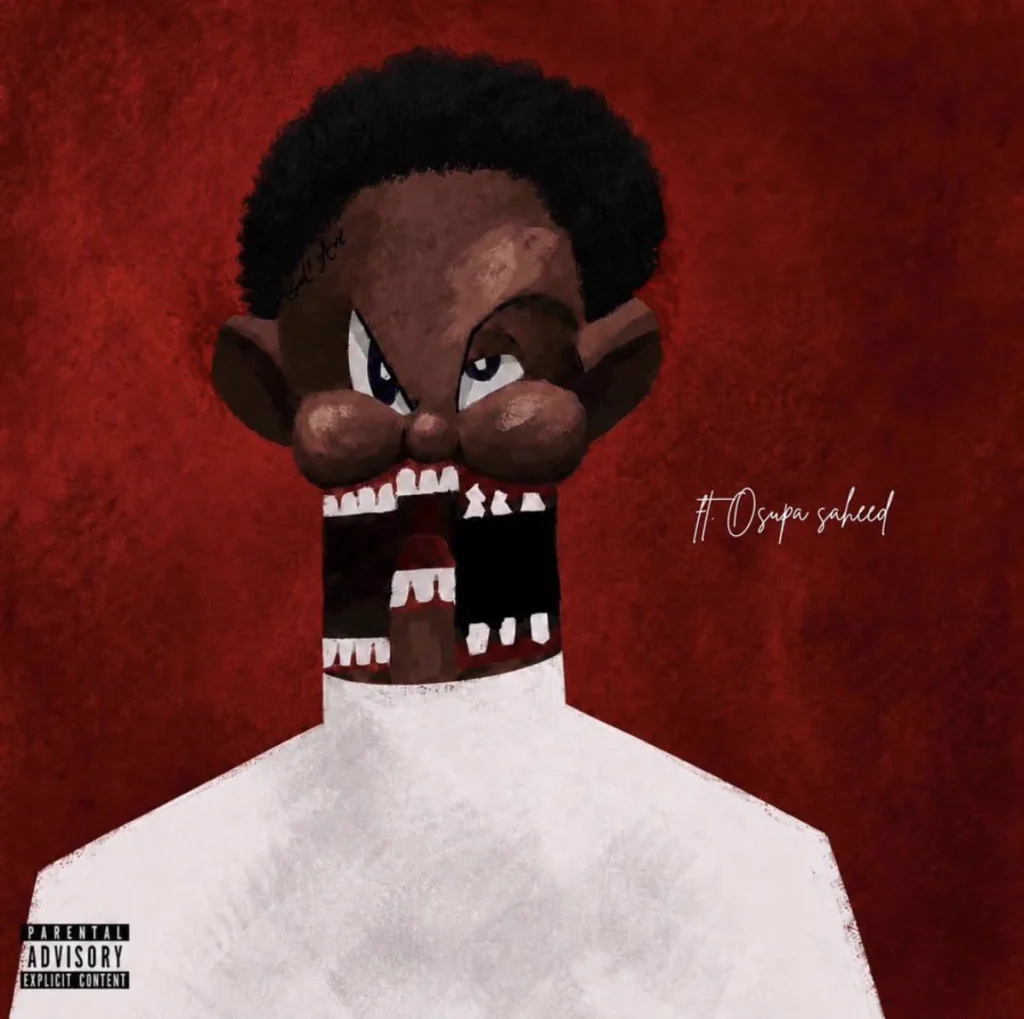
New Music Friday brings one of the more unexpected and intriguing collabs of the week: Khaid links with Fuji legend King Dr. Saheed Osupa on “Yasin”. The Neville Records artist has spent much of the year teasing two sides of his upcoming debut album ‘Rich & Wacko’ — the melodic, familiar “Rich” records that built his following, and the more experimental “Wacko” side he describes as a mix of Fuji and hip-hop. “Yasin” is the clearest statement yet of that second lane.
The track was first teased back in March with an early clip, then delayed for months before finally arriving today. Production comes from BMH with SiGNAL on the mix and master. The beat leans hard into the Wacko concept: a looping talking drum carrying a clear Fuji bounce, sitting over deep 808s and sharp drum-machine claps. It feels rooted and contemporary at the same time.
Khaid opens in the melodic street-pop voice his fans know from records like “With You,” “Jolie,” and “Jara.” King Saheed Osupa stays in the background at first with call-and-response ad-libs before stepping forward on the hook. The title “Yasin” is chanted rapidly and repeatedly, and Osupa mirrors it in his deeper, raspier tone. The exchange lands with real chemistry — the younger singer’s smoother delivery against the Fuji king’s authoritative texture. Osupa also takes composer and lyricist credit, so his contributions are fully his own.
This is not a novelty feature. Saheed Osupa remains one of the most respected figures in Fuji, with decades of work and a reputation that still resonates with younger artists. Pairing him with a Gen-Z Afrobeats voice like Khaid feels purposeful rather than forced. The result sits comfortably in the growing conversation around how traditional Yoruba forms can live inside modern street-pop and Afrobeats frameworks.
The accompanying visual adds another layer of cultural playfulness. The teaser and video feature veteran Nollywood actress Iya Gbonkan watching Khaid deliver energetic, Michael Jackson-inspired moves in a living-room setting before the chaos escalates. It’s quirky, generationally layered, and already generating strong online attention.
“Yasin” is one of the more interesting singles of the day because it actually delivers on the “Wacko” promise Khaid has been talking about. The Fuji bounce and talking drum give it a distinct rhythmic identity, while the vocal interplay between Khaid and Osupa keeps it engaging from start to finish. It’s a pure club banger and a soft melodic cut blend — something that feels rooted in Lagos street energy and older Yoruba tradition at once.
If the rest of the ‘Rich & Wacko’ project follows this path, Khaid is carving out a more interesting lane than many of his peers. Play it loud once, then again for the Osupa ad-libs and the hook. The collaboration works.
DJ Tunez — In Tunez We Trust Vol. 1
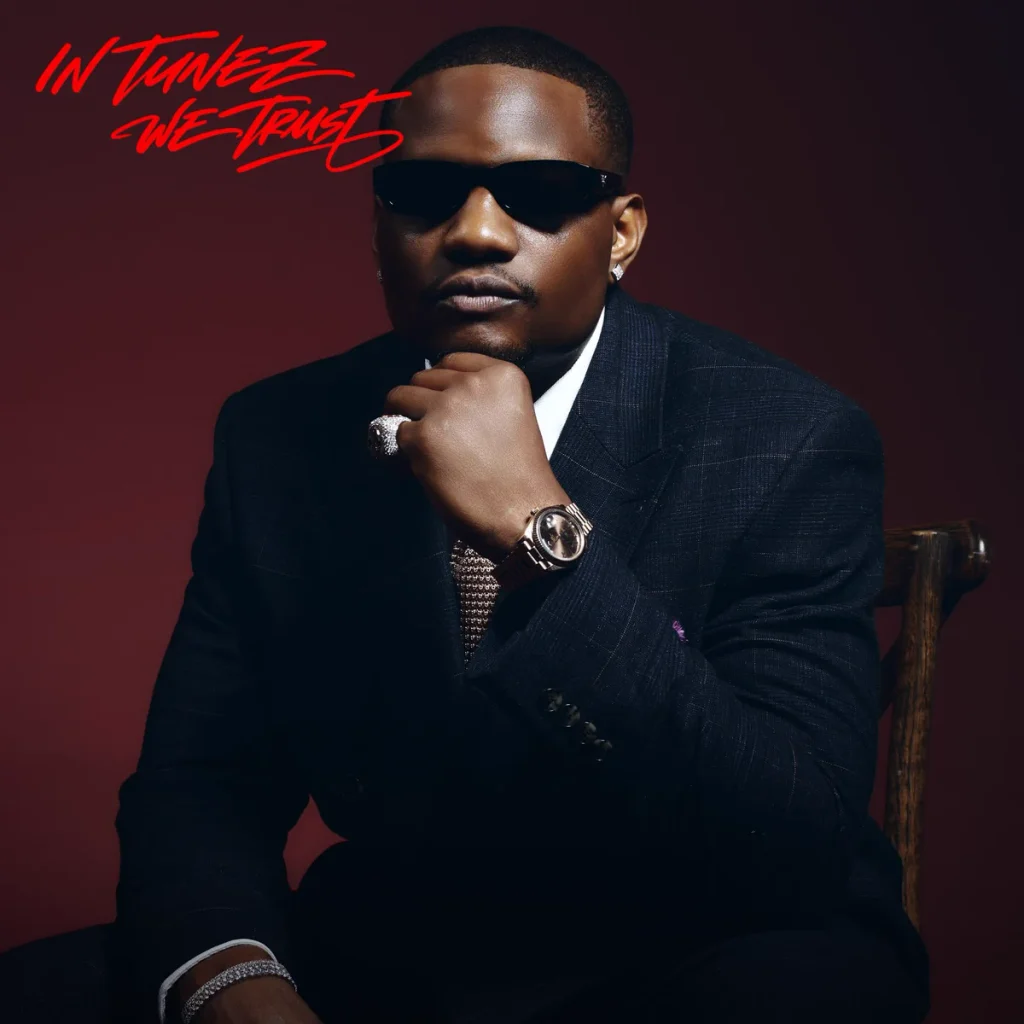
DJ Tunez has spent years building a reputation as one of the more recognisable figures behind Afrobeats’ global movement. From his longstanding musical partnership with Wizkid to his work connecting artists across different sounds and audiences, the Nigerian-American DJ and producer has developed an ear for collaborations that often extend beyond conventional genre boundaries. On ‘In Tunez We Trust Vol. 1’, he puts that instinct at the centre of a nine-track project that feels as much like a showcase of his musical relationships as it does a statement of his own creative direction.
Released on November 13, the project brings together an interesting collection of voices, including Wizkid, ODUMODUBLVCK, FOLA, Khaid, Daecolm, Alpha P, Shoday, Tay Iwar, Mannywellz and Kemuel, alongside production contributions from Legendury Beatz and others. Rather than building the project around one particular sound or a single dominant artist, DJ Tunez approaches it as a meeting point for different corners of contemporary African music.
The strongest part of the project is arguably its approach to collaboration. ‘STINGY’, featuring Daecolm, Khaid and Kemuel, brings together three vocalists with different melodic sensibilities, while ‘One Condition’ reunites DJ Tunez with Wizkid and FOLA. The latter is particularly interesting given the chemistry established on their earlier collaboration. Wizkid also returns on ‘EASY WITH ME’, this time alongside ODUMODUBLVCK, creating another meeting of contrasting musical personalities. These collaborations speak to DJ Tunez’s understanding of how different artists can occupy the same record without necessarily sharing the same musical identity.
Elsewhere, ‘Jumbo’ pairs Alpha P with Legendury Beatz, while ‘Na Money’ sees Shoday bring his increasingly recognisable Afrobeats sensibilities into the mix. One of the more culturally interesting inclusions is ‘Apala Groove’ featuring Terry Apala. The record’s title alone points towards DJ Tunez’s continuing interest in bringing traditional Nigerian musical influences into contemporary production. It also connects with his broader Apala Disco experiments, making the collaboration feel like an extension of an artistic interest rather than an isolated genre exercise. The closing record, ‘Simple Things’, brings together Tay Iwar, Mannywellz and Kemuel, rounding off the collection with a combination of alternative R&B and soulful vocal influences.
Ultimately, ‘In Tunez We Trust Vol. 1’ makes an interesting case for the DJ-producer as more than the person behind the decks. DJ Tunez is positioning himself as a curator with an understanding of the relationships, sounds and individual personalities shaping contemporary African music. The nine-track project offers several different entry points for listeners, although its extensive guest appearances also raise an interesting question about how much of DJ Tunez’s own musical identity comes through beyond the curation. Nevertheless, the foundation is promising. If anything, the first volume suggests there is room for DJ Tunez to build an entire creative platform around his instinct for bringing artists together.
Xenia Manasseh — NBO ‘X’ PRESS
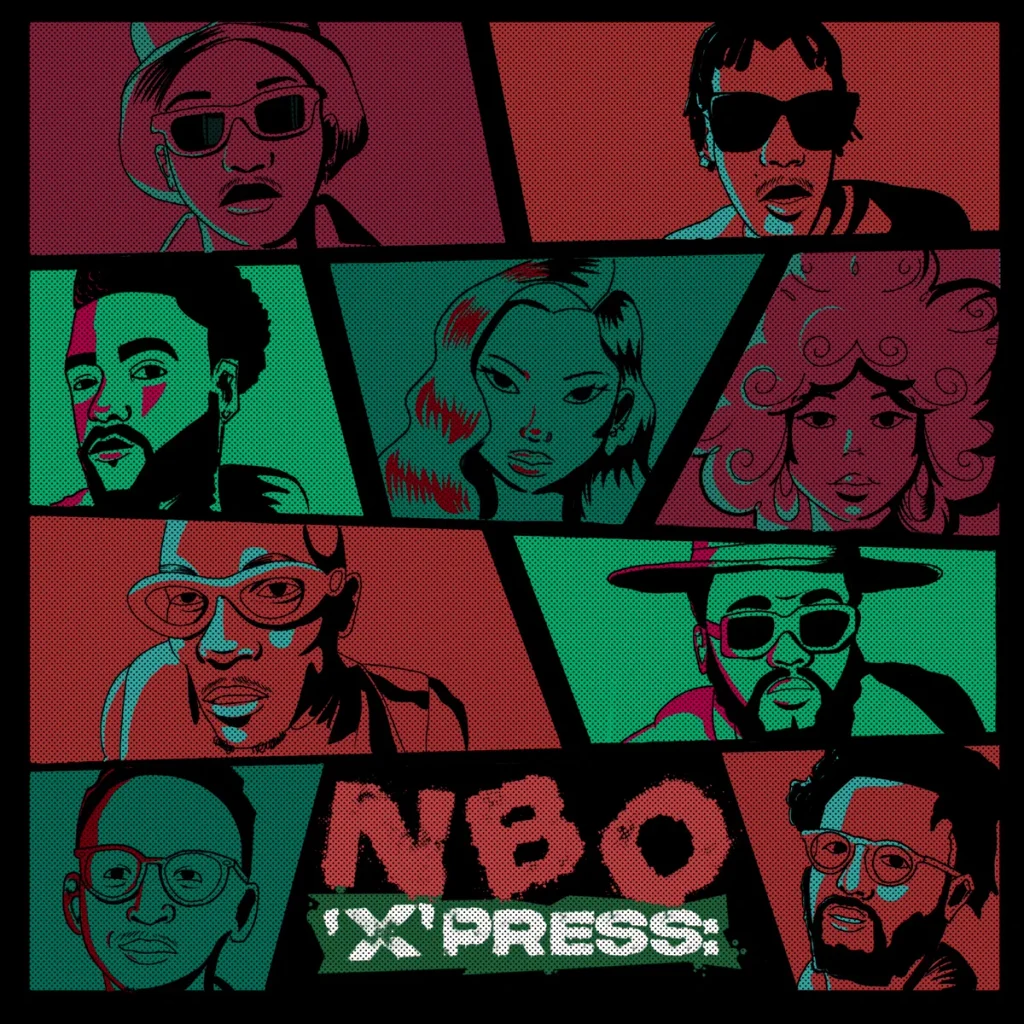
For an artist whose music has consistently moved between contemporary R&B, neo-soul and Afropop, Xenia Manasseh’s latest project feels like an intentional return to familiar ground, albeit with a different perspective. On ‘NBO ‘X’ PRESS’, the Nairobi-born, Los Angeles-based singer-songwriter brings together a collection of Kenyan collaborators to explore the musical textures, languages and cultural influences that have shaped her identity. Across eight tracks, she makes room for a sound that feels distinctly East African without losing the soulful sensibilities that have defined her earlier work.
The title itself offers a clue to the project’s intentions. ‘NBO’, the airport code for Nairobi, places the city at the centre of the creative conversation, while the project brings together a growing community of Kenyan musicians and producers. It is a homecoming of sorts, one that allows Xenia to reconnect with the sounds and creative relationships that inform her artistry.

What makes the project particularly compelling is its collaborative approach. ‘Toy’, featuring tg.blk, opens the collection with Ukweli behind the production, while ‘Bitter Sweet’ brings together Xenia, Maali and producer Hendrick Sam. The latter collaboration continues on ‘Can You Feel It’, which also features Blinky Bill, a prominent figure in Nairobi’s alternative music scene. These are not simply guest appearances assembled for credits; they reflect the interconnected creative community that the project is attempting to document.
There is also a deliberate interest in exploring different expressions of Kenyan identity through music. ‘Mpenzi Wangu’, ‘Polo Mor’ and ‘AJE?’ draw on a wider pool of Kenyan collaborators, with the latter bringing together Xenia, Ukweli and Ywaya Tajiri. First released in September, ‘AJE?’ was an early indication of the direction the project would take. Its exploration of complicated romantic attachment, delivered through Swahili-rooted songwriting and contemporary Afro-R&B, provides an interesting meeting point between Xenia’s established sound and her desire to lean further into her Coastal and Swahili influences. The closing track, ‘My Cup’, completes the eight-song collection with contributions from Wuod Baba and Hendrick Sam.
For Xenia, this is an interesting next chapter following her ‘LOVE/HATE’ and ‘MAYBE’ projects. Her songwriting credentials extend beyond her solo catalogue, including Grammy-recognised contributions to Teyana Taylor’s ‘Escape Room’, while her collaborations and performances have taken her music into different international spaces. ‘NBO ‘X’ PRESS’ turns some of that attention back towards Nairobi, making room for the musicians, producers and sounds that continue to shape its alternative R&B and hip-hop community.
Ultimately, the project’s most interesting proposition is its collective spirit. Xenia approaches Nairobi as a backdrop to her story; she is making it part of the story itself. With eight tracks and a network of local collaborators, ‘NBO ‘X’ PRESS’ presents an artist increasingly comfortable with allowing her cultural influences to occupy the foreground of her music. It is a worthwhile addition to the growing conversation around East African alternative music and the creative communities pushing it forward.
Zinoleesky — Omo Ologo
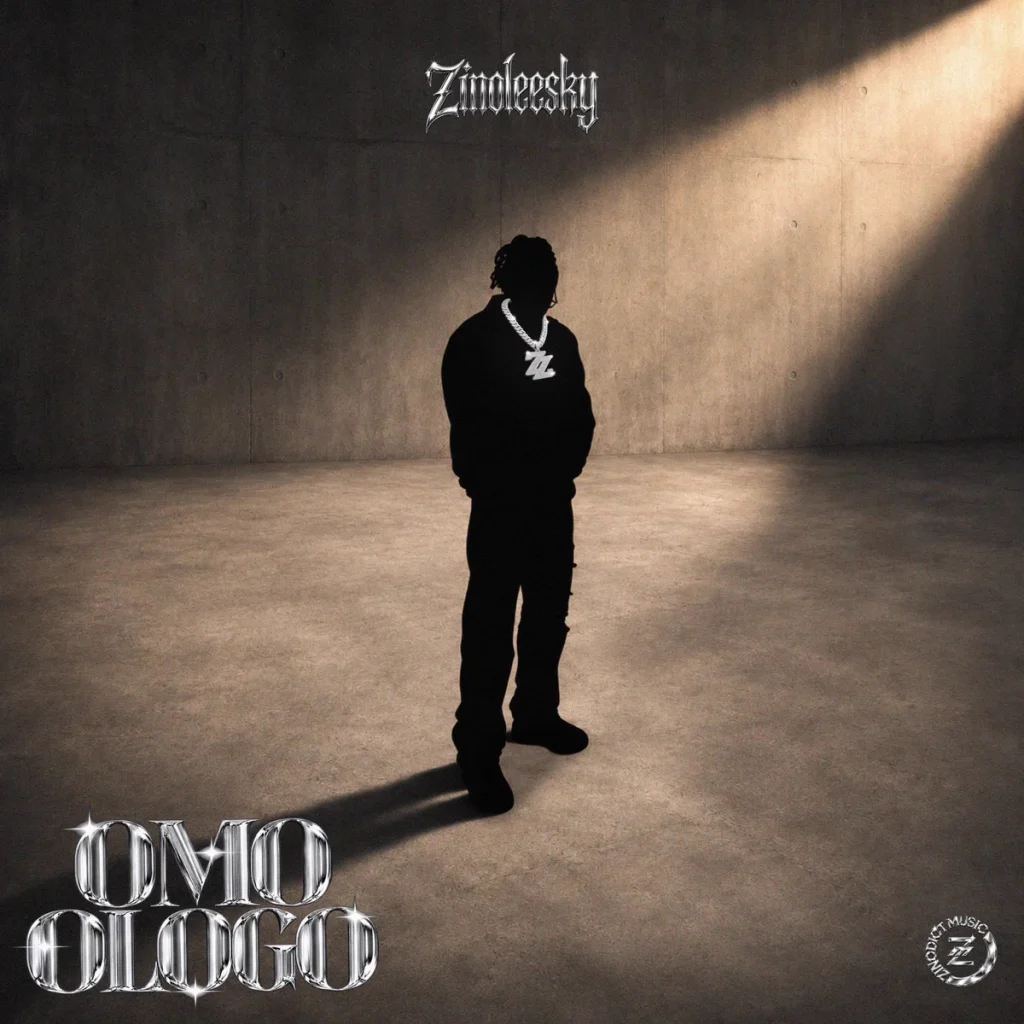
Zinoleesky is returning to familiar territory, but with a new chapter waiting on the other side. On ‘Omo Ologo’, his first official solo release since ‘Dantata’, the Nigerian singer-songwriter begins the rollout for his forthcoming EP, ‘EUPHORIA’, giving listeners an early indication of what to expect from his next body of work.
The single arrives at an interesting point in his career. Following his departure from Marlian Music and the establishment of his own imprint, Zinodict Music, Zinoleesky has been steadily carving out a more independent identity. With ‘Omo Ologo’, he returns to the release cycle with a record that places his familiar melodic street-pop sensibilities at the forefront.
The title, which loosely translates to “Child of Glory” in Yoruba, carries an interesting sense of self-affirmation. It is a phrase associated with achievement, pride and the promise of greatness, making it a fitting introduction to a project titled ‘EUPHORIA’. Produced by Babybeats and Seventeen Trill, the record leans into the contemporary Afrobeats and street-pop space that has become central to Zinoleesky’s musical identity. His melodic vocal delivery remains the focal point, with the production providing the rhythmic foundation for his return.
There is also an interesting bit of history attached to the title. In 2021, Zinoleesky appeared alongside Lil Frosh on a record also titled ‘Omo Ologo’, produced by Rexxie. This new release, however, is an entirely different solo recording, arriving five years after that earlier collaboration. The distinction makes the choice of title particularly interesting, especially for listeners who have followed his catalogue from his Marlian Music days.
Beyond the single itself, the bigger story is the forthcoming ‘EUPHORIA’ EP. Zinoleesky has been teasing the project since September, describing it as a body of work he believes will make a significant impression. He subsequently revealed that the EP was complete, although he continued recording additional material. With ‘Omo Ologo’ now serving as its first officially announced single, the singer is beginning to give listeners something more tangible to anticipate.
For an artist whose catalogue has been shaped by records like ‘Kilofeshe’, ‘Personal’ and ‘Many Things’, maintaining his melodic identity while finding new ways to develop it remains an important part of his appeal. ‘Omo Ologo’ opens the door to that next phase. Whether ‘EUPHORIA’ delivers a more adventurous musical direction or doubles down on the sound that established Zinoleesky remains to be seen, but the first release gives the rollout a familiar starting point.
LISTEN TO THE FULL NEW MUSIC FRIDAY PLAYLIST BELOW