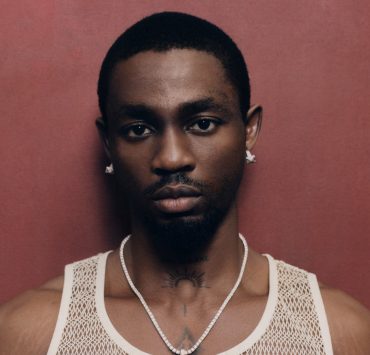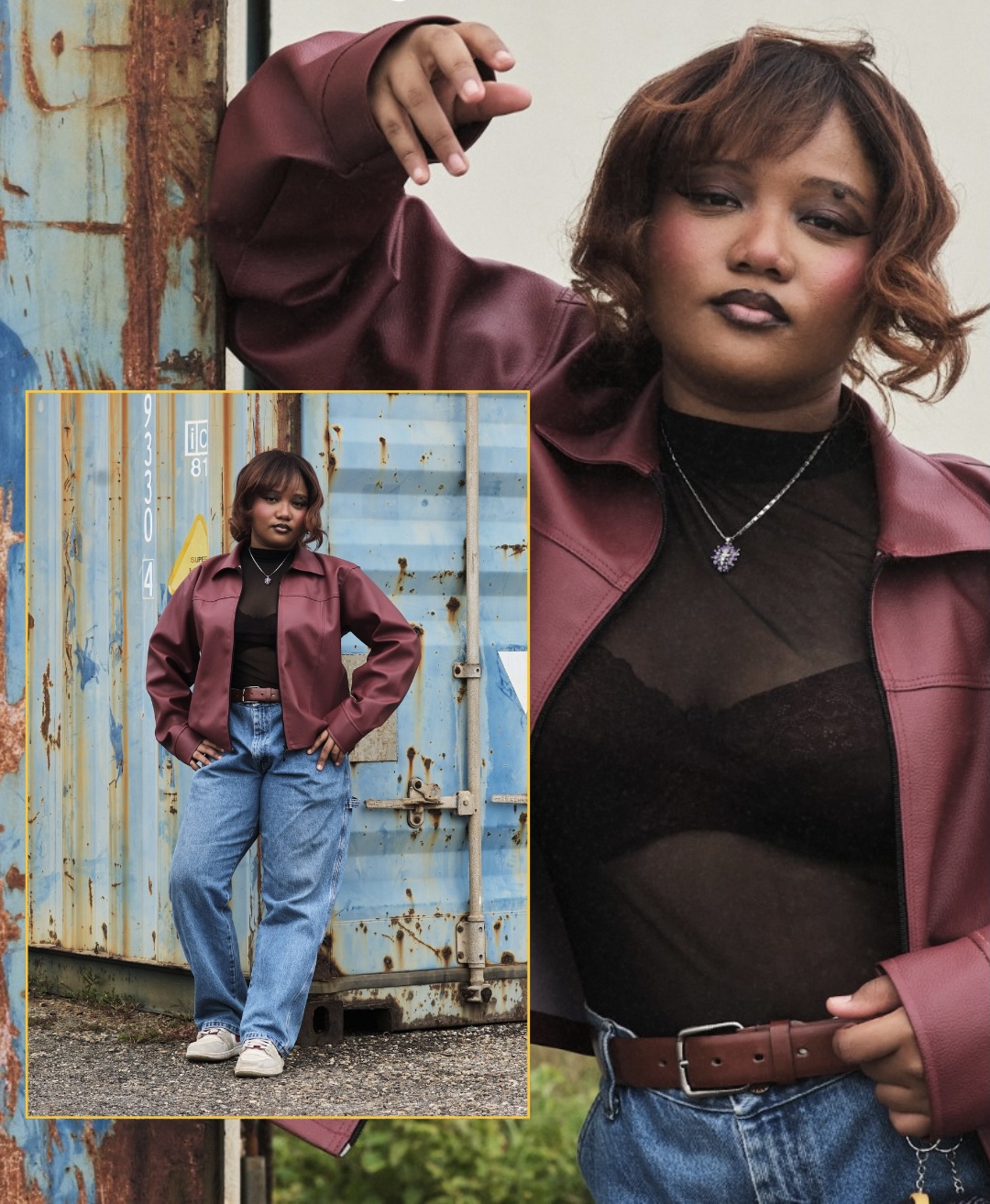
She lands on the call still half-asleep, fresh off a flight to Berlin, in the middle of promo season for a project she almost didn’t finish the way she meant to. A week earlier, Anabel Rose was in a room full of people hearing ‘How Do the Flowers Bloom’ for the first time. Now she’s unpacking boxes in a new city, camera off, voice a little rough around the edges, and still, somehow, one of the most articulate people you’ll talk to about the mess of becoming yourself.
The Ghanaian alt-pop artist’s sophomore EP is a sequel in name and lineage to 2024’s ‘Something About a Rose’, but not in spirit. Where that first project was a diary-entry autobiography—Anabel explaining herself to an audience meeting her for the first time—How Do the Flowers Bloom turns the mirror around. Unlike her first EP, Anabel Rose’s “How Do The Flowers Bloom” is more “here’s what it costs to grow, and maybe you’ll recognize it too.”
Seven songs, mapped loosely onto the years since she moved back to Ghana in 2022 and built during a spontaneous studio camp last October when she’d all but stopped writing—a creative dry spell she talks about with disarming honesty.
What follows is a conversation about flowers as metaphor, freestyling into a phone recorder, a childhood spent downloading rock songs off LimeWire, and the deliberate choice to end an album with joy instead of rage.
On the sequel nobody asked her to write like this
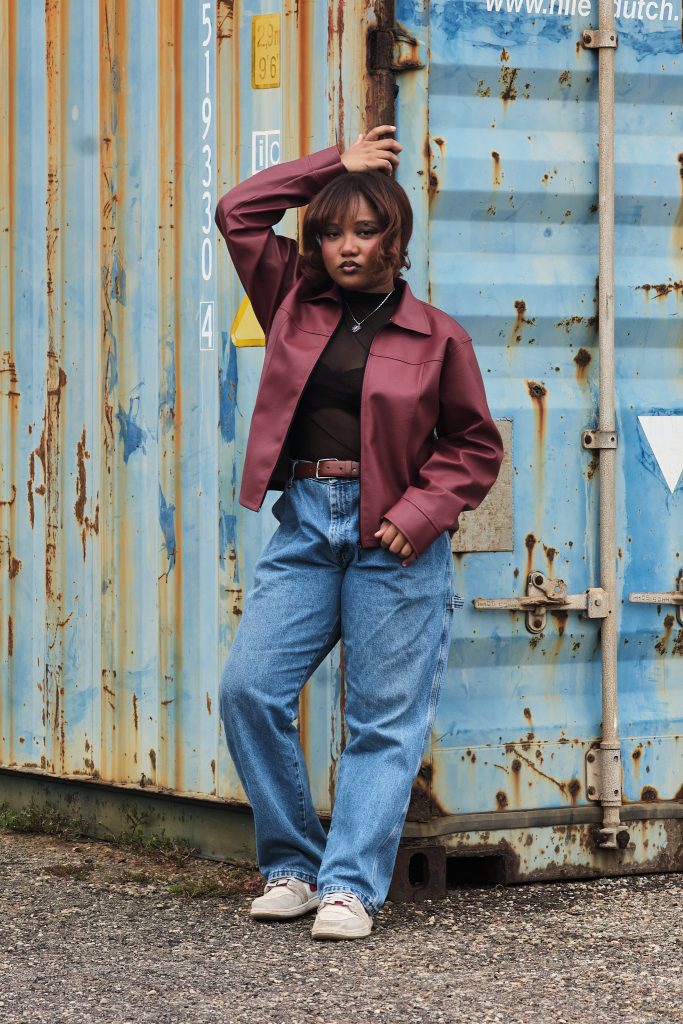
In 2024, you released ‘Something About a Rose‘. Now, ‘How Do the Flowers Bloom‘. Are you building a world around flowers, or is this a more grounded sequel?
Anabel Rose: For my first few projects, I wanted them to be very autobiographical, to introduce people to who I am and show my audience what my sound and my narratives are capable of. So the flower theme was low-hanging fruit, honestly. The difference is that the first one was purely from my lens, my story, what I go through. This EP, I wanted it to be more relatable to anyone who listens to it. Different species of plants need certain conditions and environments to grow, and this project maps out the moment I started making music, moved back to Ghana, and everything since. The struggles, the emotional rollercoaster, the lessons. Everybody goes through their own version of that, especially as a creative in Accra. The songs are meant to be a guide—take what you can from them and apply it to your own life.
“Blooming” suggests growth, waiting, transformation. At what point did you realize that was the question tying the whole EP together?
Anabel Rose: Honestly, I didn’t go into this knowing what I wanted to talk about. I actually had a completely different theme in mind. I started creating unofficially back in October, out of a pure desire to create again, because 2025 was a year I really struggled with my own creativity, my self-worth, and my place in this industry. I hadn’t written in months. So I gathered some of my favorite musicians, and we just started making music, no rules, no trends. That’s when I realized I was writing about everything since 2022. It opens with “Imperfect Daughters”—very reflective, full of angst and worry about the path I’d chosen. By the time you reach “Happiness Is Free,” there’s resolution. Because in real life you rarely notice your own growth until you look back and go, “whoa, I’m really not where I used to be. That song isn’t pretending the hassle goes away, it’s choosing joy anyway.
On sequencing pain like a setlist
Was there a specific emotional progression you wanted listeners to move through, from “Imperfect Daughters” to “Happiness Is Free”?
Anabel Rose: The first and last songs were the most important to get right. “Imperfect Daughters” is intentionally the most reflective and most somber. I wanted us to enter with some reflection before we start slowly injecting hope. By “Peace of Mind” featuring DreForyoursoul we move into something more encouraging. I’d written that one almost unconsciously, needing reassurance that even with everyone’s opinions flying at me, I should stay grounded in my own voice. “Blasé” is where we really bolster confidence. I wrote “Imperfect Daughters” from a pretty low point; I’d just decided to choose music again, unapologetically, filled with uncertainty about how it would turn out. So “Blasé” is a reminder: you’re that girl, don’t take life too seriously. The two middle songs feel like interludes; this project is basically an informal love letter to Accra and to my early adult years discovering the creative scene. Then the tension comes back with “Monsters,” because navigating this industry means constantly checking what you stand for, what you can and can’t say. I almost ended the project there. But that would’ve left it in a very tense, rage-filled state and for the story I was telling, “Happiness Is Free” made more sense. It injects some catharsis into the ending.
You said writing helps you articulate yourself more than speaking does. Is that a habit outside music too? Journaling, poems?
Anabel Rose: Yes, always. Not as often as I’d like, but I’ve always written, whether it’s my journal, articles, poems, or even writing prompts. I feel like I’m more articulate on the page than out loud, because I need a bit more time to buffer my emotions in the moment. So I write better than I speak, honestly.
On collaboration, mood boards, and a freestyle that became a song
One of the most intriguing moments on the EP is “How I Want It Too”. It revisits your 2025 single “How I Want” and brings in one of Africa’s finest R&B voices, Xenia Manasseh. How did that collaboration come about, and why was she the artist you wanted to share that space with?
Anabel Rose: That one actually started completely by accident. I’d put together a Valentine’s Day cover series, and Xenia left a comment on it, and that was really the beginning of everything. Funny enough, this whole project was originally supposed to be a solo effort. But it evolved into something much bigger, spanning multiple African countries, with different artists bringing their own unique elements into the sound. That’s genuinely one of the things I’m proudest of with this EP: that it didn’t stay mine alone.
Looking back at Something About a Rose, where do you feel the biggest shift in your artistry on this EP?
Anabel Rose: Mainly in production and songwriting, the whole music-making process, really. With ‘Something About a Rose’, a lot of it was me figuring things out: singing over an already-made beat, and that was the song. This time, because of the informal writing camp, every song was built from scratch, from curiosity and experimentation. I also opened myself up more to collaboration. I’m usually pretty sensitive in the studio, so I prefer writing alone. But this time I wrote with my A&R and co-manager, Michael, who kept pushing me to try different sounds and get loose in the process. I’m proud of how much more comfortable I got creating with people this time.
Your sound moves between alternative R&B, indie pop, and electronic textures. How did you decide what each song needed musically, and was there a track where the production unlocked an emotion words couldn’t?
Anabel Rose: Before I started, I made a sound mood board—very vast, very diverse. All the artists and projects I love, pulling elements from rock, trip-hop, alt-pop, R&B, everything, and I sent it to everyone I was going to create with. The first few sessions were just us listening together, understanding the journey we were about to go on. For “In the City“, I wanted that early-2000s Timbaland and Pharrell pop-R&B sound—crunchy synths, syncopation—and somehow we landed on a funk-fusion song instead, partly because my pianist OJ is so skilled with music theory that once he starts playing, we just build from there. “Blasé” is probably the best example of production unlocking emotion. We’d been creating for weeks and were exhausted, so we said, let’s make something fun and loose, no predicting what happens. Once we built the skeleton, everyone was in this relaxed headspace; I picked up my phone recorder and started freestyling, very lackadaisical, and that’s where “blasé, blasé” came from. When I sat down to actually write it, I could feel there was some swag, some sauce in there that we’d tapped into in the studio, so I wrote to keep pushing that exact feeling.

On rock bands, anime, and the family iPod
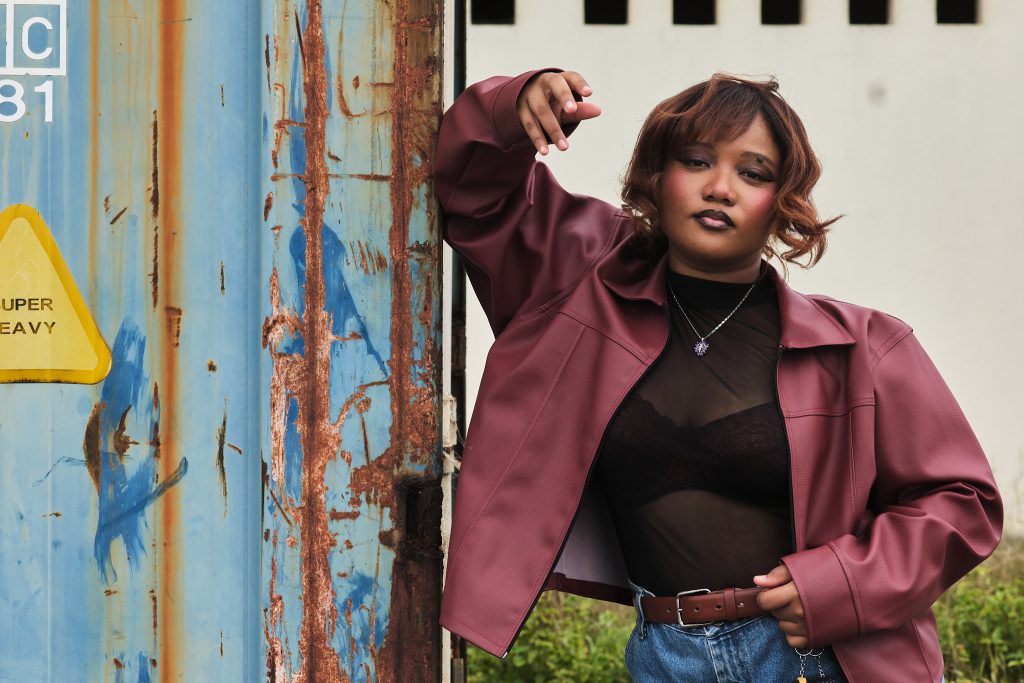
“Monsters” is one of the most intriguing tracks production-wise. Are you an anime head?
Anabel Rose: I do love anime, though I haven’t watched in a while. But if you’re asking about the rock influence—I’ve been listening to rock since I was a kid, maybe in class one. My dad had one of those old iPods, and he’d downloaded a bunch of random songs off LimeWire, which happened to include rock songs. One day I picked it up, hit play, and just went, “yo, what is this genre?” I’ve been into rock bands ever since, and honestly, in another life I’d probably front one. The visual for “Monsters“ was indirectly inspired by a scene in the anime series, Dandadan, which I love. There’s an episode where a rock band literally comes to exorcise demons. It felt right. Fun fact: the beat was almost entirely built from scratch by OJ, my pianist.
Of the deeper cuts—”Monsters,” “In the City,” “Peace of Mind,” “Happiness Is Free”—is there one that feels like the emotional core of the project?
Anabel Rose: I don’t know if there’s just one, because the whole thing is meant to be a journey. But if I had to point to two, it’d be the song that opens it and the one that closes it—those are the core.
Was there a moment in the studio where you had to fight for a creative decision? Push for something even when the room wasn’t convinced?
Anabel Rose: “Peace of Mind”, actually. I really wanted to modify the drums on that one, and I got some resistance for it at first. But I pushed anyway, and it ended up being one of the moments I’m most satisfied with on the whole project. Hearing people respond positively to that genre-blending approach makes it worth it.
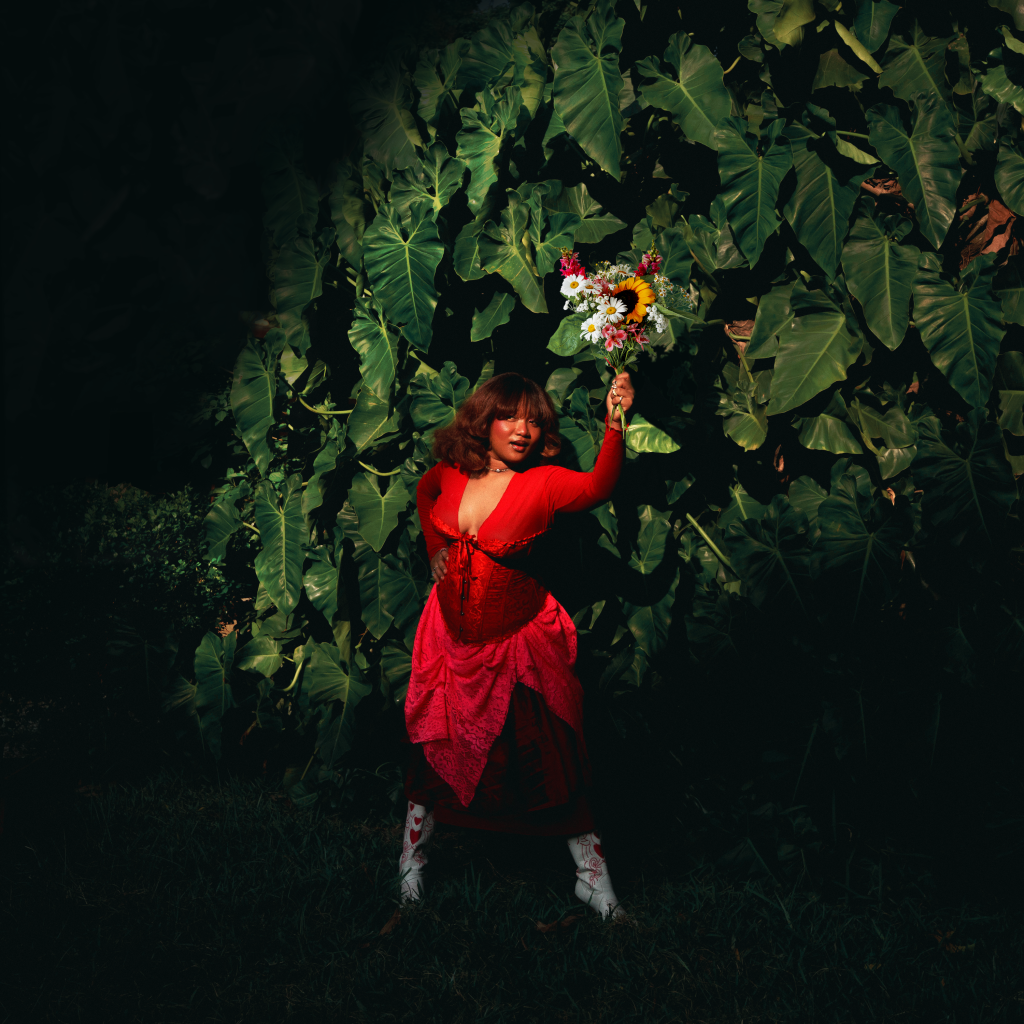
With the EP out and the Berlin dust still settling, Anabel is easing back into a regular writing habit and eyeing a November show in Accra with her fan community, The Rosalindas. For Anabel, the flowers don’t stop blooming once the project drops. The EP’s guest list stretches beyond Ghana’s borders. Anabel worked with collaborators across Ghana, Nigeria, and Kenya to bring the project to life. What started as a solo effort became something distinctly pan-African by the time it reached the last mix. More than anything, Anabel wants listeners to walk away lighter, with a little more clarity than they came in with.
How Do the Flowers Bloom is out now. Listen below