Angélique Kidjo Becomes the First African Musician Honored with a Star on the Hollywood Walk of Fame

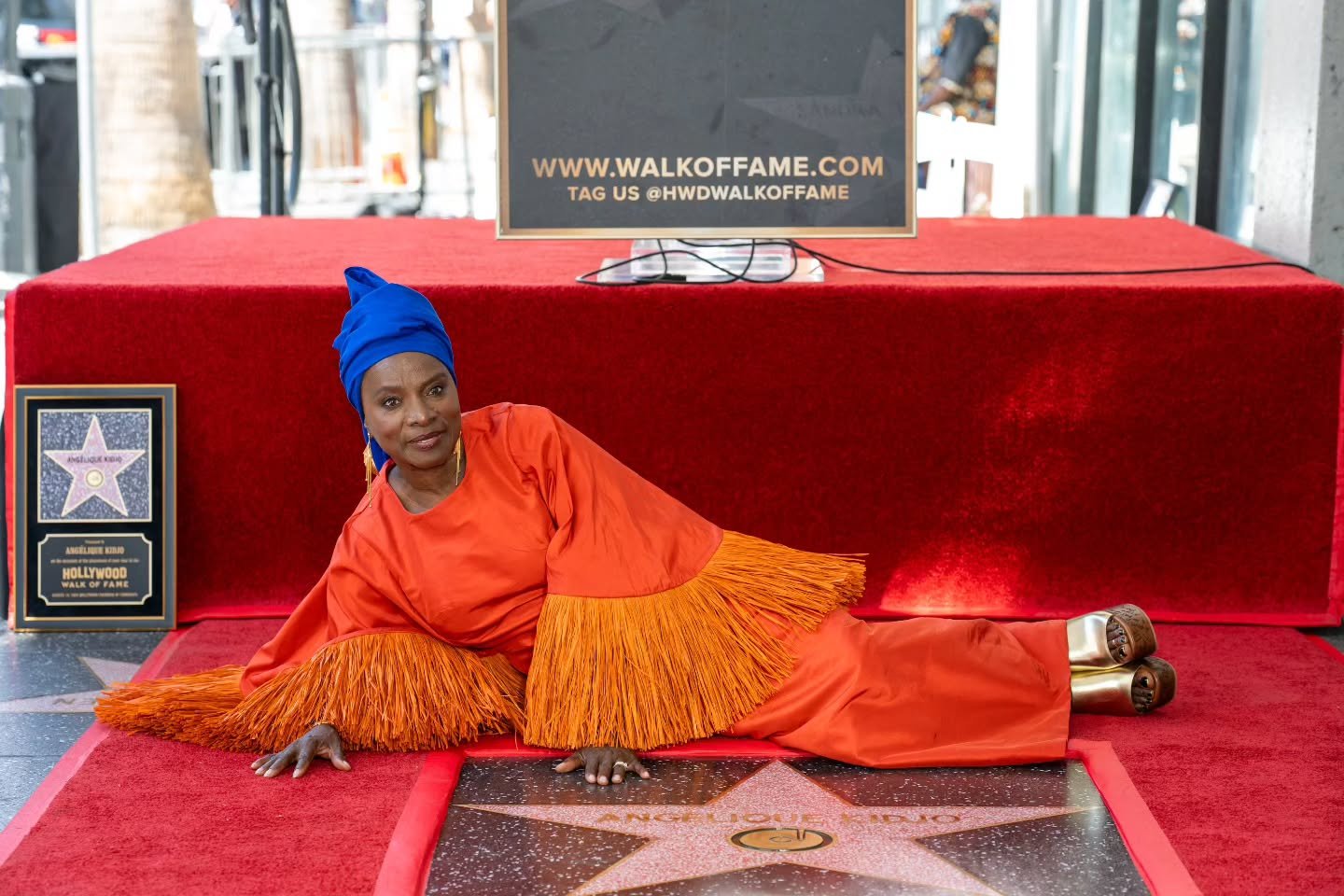
On a sunlit Tuesday morning along Hollywood Boulevard, history was etched in terrazzo and brass. Five-time Grammy winner Angélique Kidjo stood before a crowd of admirers, industry heavyweights, and fellow artists as the 2,854th star on the Hollywood Walk of Fame was unveiled in her name. The Beninese singer, songwriter, activist, and cultural ambassador became the first African musician and the first Black African performer to receive the honor, a milestone that feels both long overdue and perfectly timed.
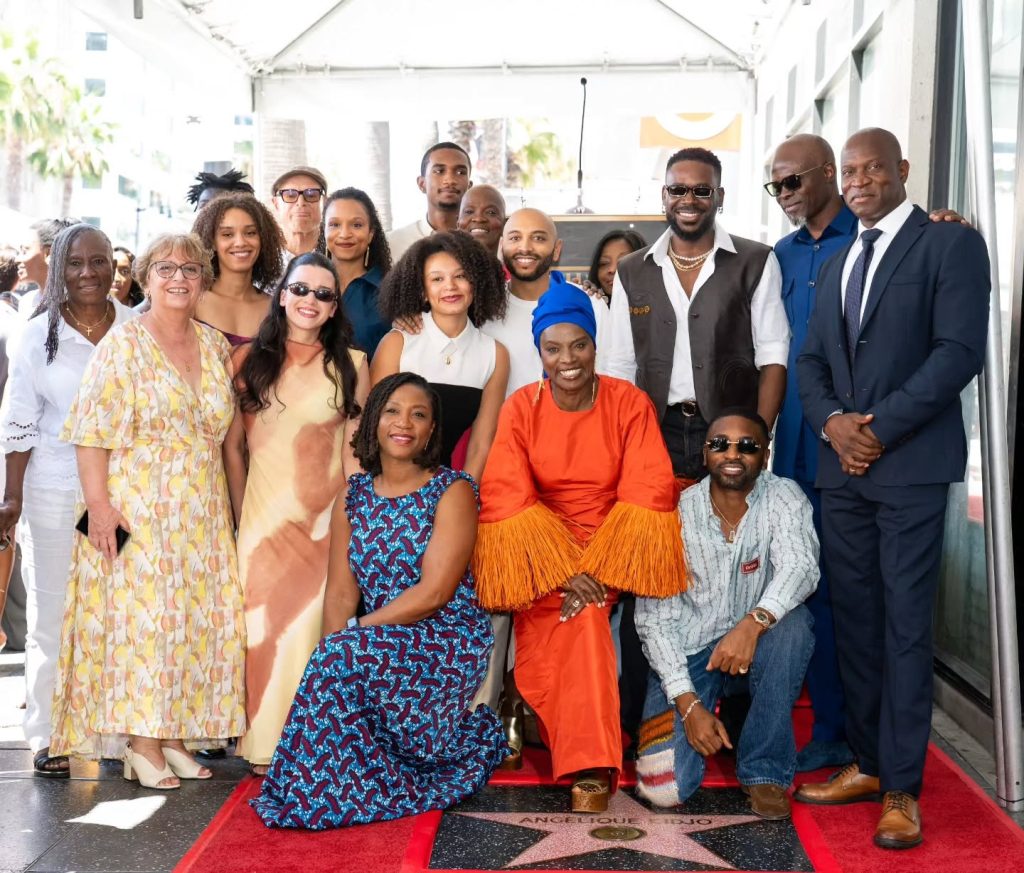
The outdoor ceremony at 7011 Hollywood Boulevard, across from the historic Hollywood Roosevelt Hotel, took place on August 18, 2026, at 11:30 a.m. PT. Emceed by Variety correspondent Angelique Jackson, it featured tributes from four-time Academy Award nominee Willem Dafoe and Recording Academy CEO Harvey Mason Jr. Benin-born actor Djimon Hounsou and Nigerian star Adekunle Gold were among those in attendance. Just before the star was revealed, Hollywood Chamber of Commerce President and CEO Ron Frierson proclaimed the date Angélique Kidjo Day in Hollywood.
Kidjo, born in 1960 in Ouidah, Benin, has spent more than four decades fusing West African rhythms, languages, and storytelling with funk, jazz, R&B, gospel, and global pop. Her commanding voice and restless creativity have produced 18 albums, collaborations with Burna Boy, Sting, Alicia Keys, Philip Glass, Pharrell Williams, and many others, and a body of work that has topped Billboard’s World Albums chart multiple times. She has performed at the Olympics, earned the Polar Music Prize, appeared in The Woman King, and been named one of Time’s 100 most influential people. Through the Batonga Foundation she co-founded, she has championed girls’ education across Africa.
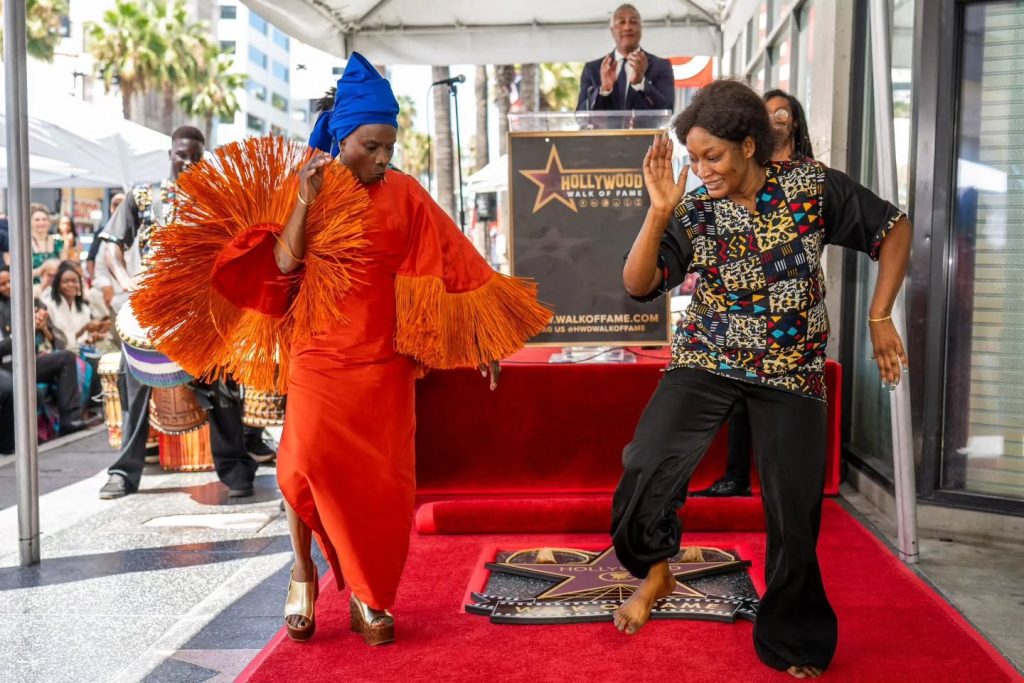
In her acceptance remarks, Kidjo turned the personal honor into a collective statement. “We Africans don’t know what we’ve given to the world, what we continue giving to the world; without us there’s no music possible on this planet,” she declared before breaking into song and joyously dancing over her newly dedicated star. The moment captured the essence of an artist who has always insisted that African music is not a niche category but a foundational force in global sound.
Harvey Mason Jr. called her a “rare artist” whose example elevates the entire music community and reminds listeners that music is connection more than mere entertainment. Willem Dafoe spoke of witnessing her ability to transform passive audiences into dancing throngs, praising her energy, commitment, and status as one of the hardest-working performers in the business. Walk of Fame producer Ana Martinez emphasized that Angélique Kidjo’s selection recognizes not only her singular legacy but the pathways she has opened for African artists on the world stage.
Angélique Kidjo has officially made history as the first African artist to receive a star on the Hollywood Walk of Fame. pic.twitter.com/YEi6Z91ApB
— E! News (@enews) August 19, 2026

The significance of the moment is sharpened by context. While South African actress Charlize Theron received a star in 2005, and earlier figures such as Johannesburg-born Basil Rathbone were honored decades ago, no Black African performer and no African musician had previously been inducted. Angélique Kidjo’s star arrives amid a broader surge of African music into the global mainstream—Afrobeats, Amapiano, and other styles reshaping charts, playlists, and festivals. Her recognition serves as both a personal coronation and a cultural marker of that shift.
Selected as part of the Walk of Fame’s Class of 2026, announced in July 2025 alongside names including Miley Cyrus, Timothée Chalamet, Demi Moore, and Shaquille O’Neal, Angelique Kidjo received the honor in the Recording category. The star itself is permanent; the legacy it symbolizes continues to expand. Kidjo has said she is certain she will not be the last African artist so honored—an assertion that, given the vitality of contemporary African music and her own trailblazing example, feels less like optimism than inevitability.
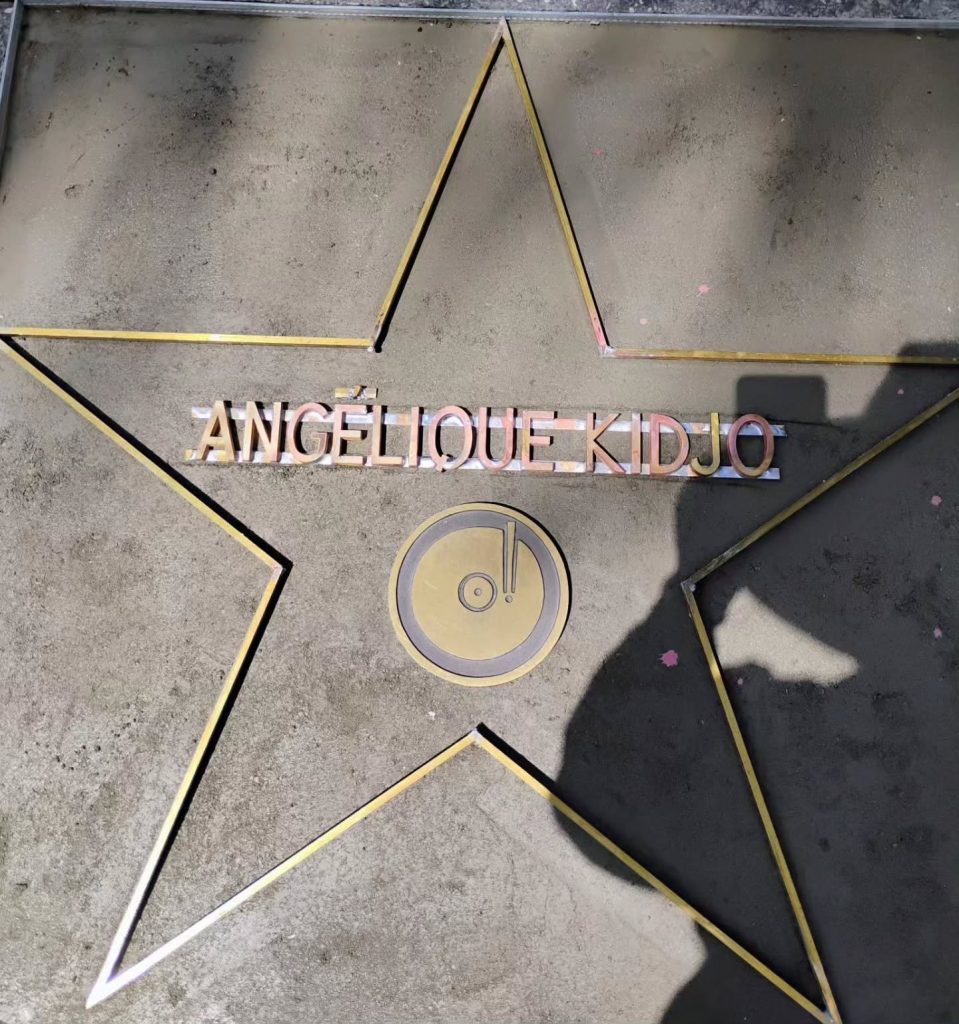
For an artist who left Benin in the early 1980s to escape political repression, built a career in Paris and beyond, and never diluted the cultural specificity of her work, the Hollywood star is public acknowledgment that the music of the African continent belongs at the center of the world’s cultural conversation. On Hollywood Boulevard, under the California sun, Angélique Kidjo danced on that truth.