
Mr Buoyant Gives the West African Hustle a Soundtrack


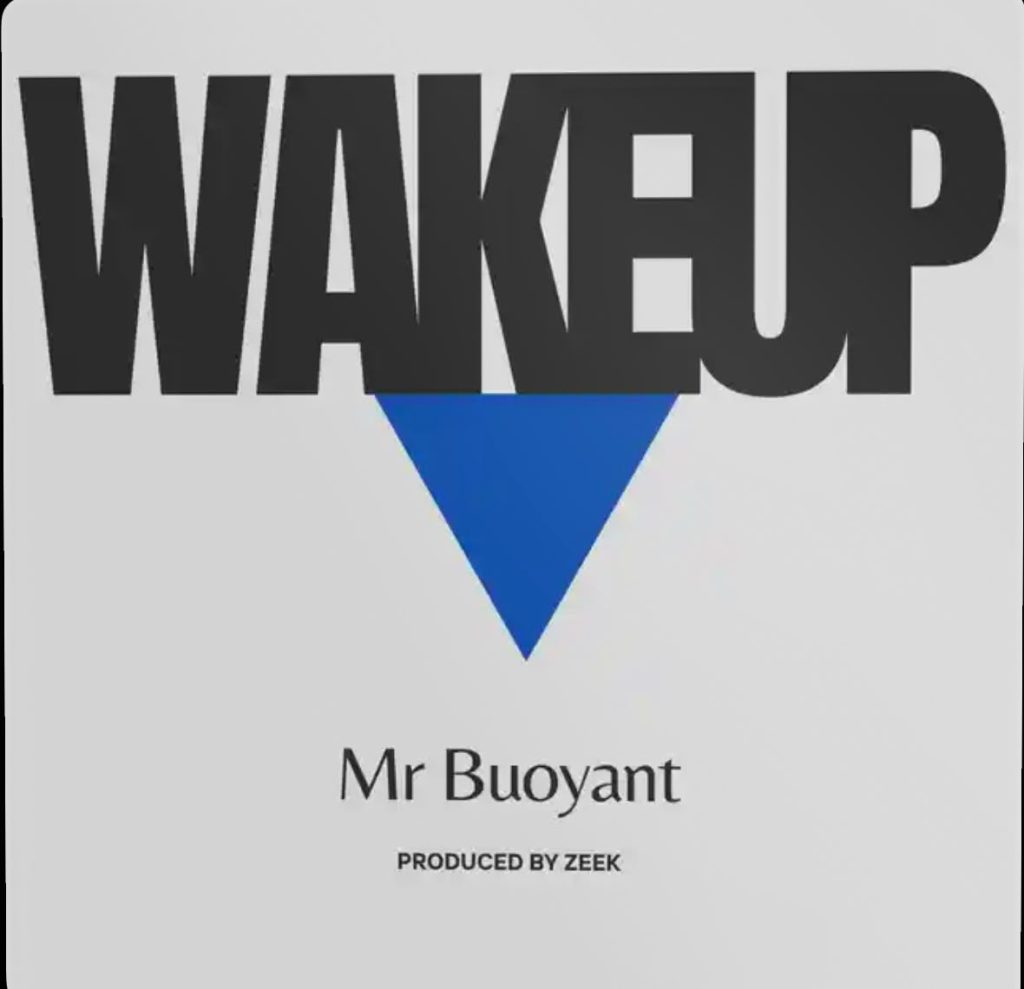
As the year draws to a close, the urgency of ambition often gives way to a quieter, more sobering reckoning. The celebrations slow, the noise settles, and the distance between what one hoped to achieve and what actually happened becomes a little harder to ignore. For many young West Africans, however, the new year arrives with the familiar expectation that whatever the previous twelve months failed to deliver must be pursued with renewed determination. It is within this cycle of aspiration, disappointment and persistence that UK-based Afro-fusion artist Mr Buoyant finds the inspiration for “Wake Up”, a December 2023 release that soundtracks the hustle narrative defining the everyday experience of a generation.
Following his October release, which drew inspiration from Ian Fleming’s fictional British secret service agent James Bond, Mr Buoyant turns his attention towards a more immediate subject. “Wake Up” is a gritty, drill-infused hip-hop proposition that carries a distinctly East Nigerian flavour in its delivery. Built around the familiar language of striving and survival, the song finds the artist reflecting on the frustrations of an underwhelming year while looking ahead with an appetite for better fortunes. Its premise is uncomplicated, but its emotional foundation is recognisable. There is a palpable desire to make something meaningful out of the opportunities, sacrifices and uncertainties that accompany the pursuit of a better life.
Mr Buoyant has developed a sound characterised by confident delivery, rugged melodic instincts and an unmistakable sense of identity. These qualities find a natural home on “Wake Up,” where his performance carries the conviction of someone speaking from within the experience rather than merely observing it. The song’s subject matter is familiar territory for contemporary African music, particularly within the Afrobeats and street-pop traditions, where the language of hustle has long served as a vehicle for personal testimony. Yet Mr Buoyant approaches the subject with an earnestness that gives the record its own footing. His hunger feels personal, and the confidence with which he expresses it is rooted in the knowledge that ambition rarely comes without its share of disappointment.
The opening chants establish this spirit immediately. “Omo wake up o, Make we link up, This na new years o, Dodge Breakfast,” he sings, offering a direct invitation to get moving. There is an infectious simplicity to the refrain, one that makes its message easy to absorb and repeat. The phrase “dodge breakfast” carries a particularly telling weight within the song’s vocabulary. Beyond its playful construction, it gestures towards the everyday anxieties of financial survival, where the ability to provide for oneself can become a measure of progress. Mr Buoyant understands that the hustle is often less glamorous than the language surrounding it suggests. It is, at its most basic, a response to earn a living and to keep going even at the expense of a breakfast meal.
The chorus also benefits from its communal outlook. The repeated call to wake up and link up places the song within a collective experience, inviting listeners into a shared pursuit rather than presenting ambition as an entirely solitary exercise. This is an important distinction in a culture where success is frequently narrated through the image of the individual who rises above everyone else. Mr Buoyant’s refrain retains the warmth of companionship, suggesting that the new year is an opportunity to gather one’s people, encourage one another and return to the work with a clearer sense of purpose. The song’s accessibility rests partly on this instinct. Its message is delivered in language that feels close to everyday conversation, allowing the listener to recognise the sentiment.
That sense of recognition deepens when Mr Buoyant addresses the previous year’s shortcomings. “Last year no pay much, This year gas pay surplus, say us hustle just to make plus,” he rap-sings over the production. The lines capture the familiar frustration of putting in the work without receiving a proportionate reward. There is an implied accounting here, a mental calculation of effort against outcome, and the admission that the previous year did not yield enough to justify the sacrifices made. Rather than allowing this disappointment to become an excuse for resignation, Mr Buoyant turns it into a reason to intensify his resolve. The promise of surplus becomes a projection of hope, an expectation that the coming year will finally offer something closer to the reward he has been chasing.
This is where “Wake Up” finds much of its emotional relevance. Its optimism is not entirely detached from reality; it is informed by the sting of unmet expectations. The artist understands the peculiar exhaustion of a year spent working towards a goal that remains frustratingly out of reach. His response is to renew the pursuit, and the song captures the psychological rhythm of that decision. For listeners navigating similar circumstances, the record offers a familiar form of encouragement, one that acknowledges the difficulty of the journey while insisting that the possibility of a better outcome remains worth pursuing.
Zeek’s production gives this narrative a fitting sonic environment. The experimental backdrop of the Afro-drill arrangement introduces a sharper edge to Mr Buoyant’s established melodic sensibilities. Its hip-hop influence lends the record a certain grit, while the African rhythmic character keeps it connected to the artist’s broader Afro-fusion identity. The result is a soundscape that feels sufficiently contemporary with the cultural texture of the experiences being described. The production also creates room for Mr Buoyant’s delivery to remain the central point of interest. His vocal character, with its confident inflections and regional flavour, gives the song a recognisable personality that extends beyond its motivational premise.
The East Nigerian influence in his delivery is particularly valuable to the record’s identity, such details can provide an artist with a distinctive point of reference. Mr Buoyant’s phrasing gives “Wake Up” a sense of place, allowing the song to carry the rhythms of his own linguistic and cultural environment into a production shaped by wider hip-hop and drill influences. This quality strengthens the record’s authenticity. It also suggests that his Afro-fusion approach is most compelling when the global elements of his sound are allowed to meet the particulars of his own experience.

Still, “Wake Up” operates within a familiar lyrical framework. Hustle anthems, new-year declarations and promises of financial breakthrough are well-established themes across African popular music. The song’s central message is therefore not especially surprising, and its reliance on broadly recognisable expressions of ambition leaves limited room for a more unusual perspective on the subject. The record is strongest when Mr Buoyant draws from the details of his own circumstances, particularly the disappointment of a year that failed to pay as expected and the everyday urgency suggested by its opening refrain. These moments offer a more textured understanding of the hustle than the general promise of success alone.
As a December release, “Wake Up” arrives at an especially fitting moment. The end of the year naturally invites reflection, and Mr Buoyant uses that atmosphere to frame a song about resetting one’s expectations and returning to the work. Its message is timely; the same anxieties that accompany the transition into January continue throughout the year, especially for young people whose aspirations are shaped by economic uncertainty and the constant pressure to improve their circumstances.
Ultimately, “Wake Up” is a spirited expression of determination from an artist whose sound is still finding new ways to accommodate his influences and experiences. Its appeal lies in the sincerity of its message, the character of Mr Buoyant’s delivery and the refreshing edge of Zeek’s Afro-drill production.
For Mr Buoyant, the pursuit remains ongoing, and “Wake Up” serves as a reminder that the dreams worth chasing often require the discipline to begin again, even when the previous year has left little to show for the effort. The song is a modest but meaningful proposition, delivered with enough conviction to make the listener believe that the next attempt might finally bring the reward.


