Dave Brings ‘The Boy Who Played the Harp’ Tour to Lagos

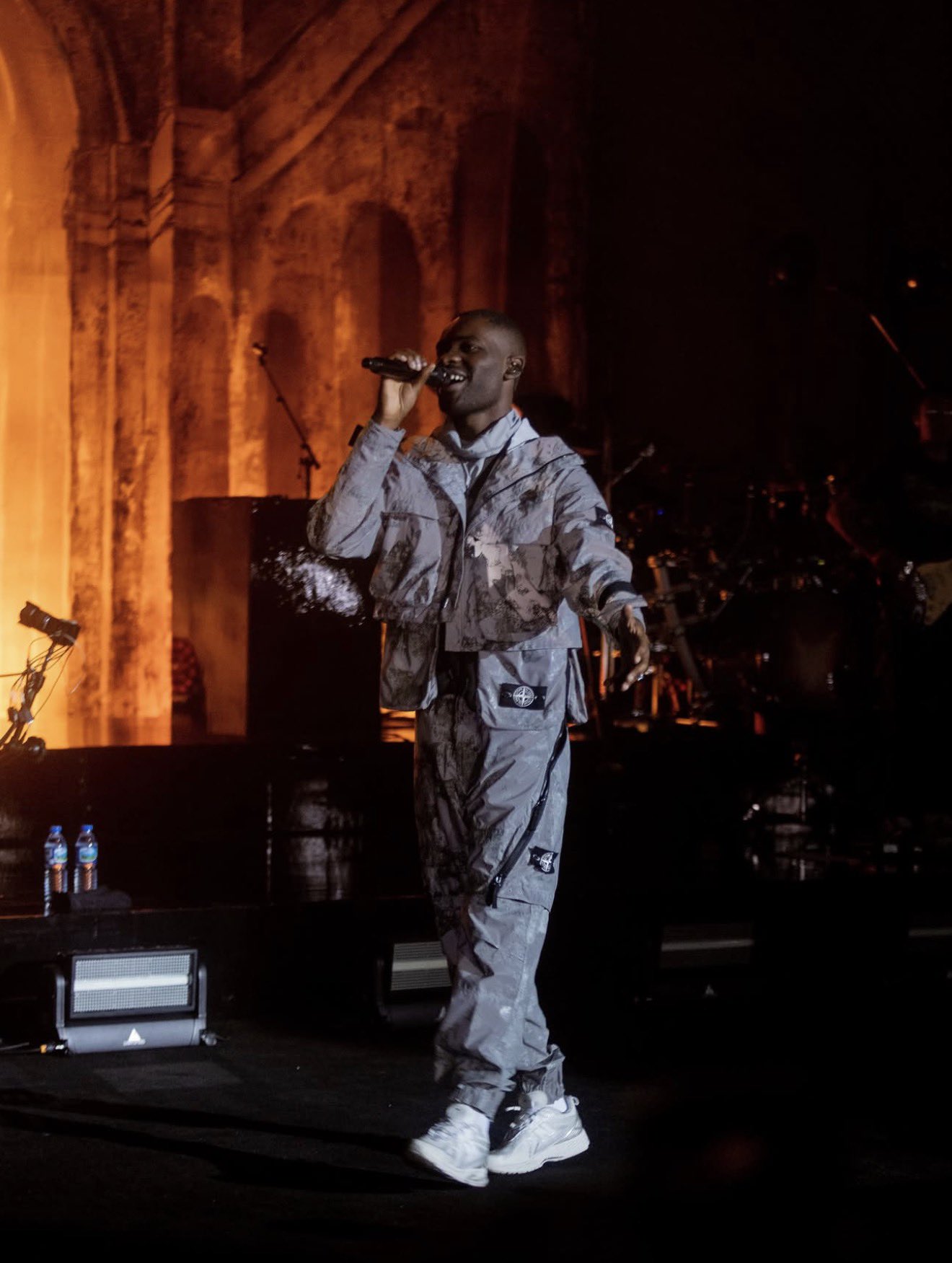
For an artist whose music has spent years moving between the personal and the political, Dave’s first headline shows in Nigeria were always going to carry a little more weight than the average tour stop. On October 16 and 17, the British-Nigerian rapper, born David Orobosa Michael Omoregie, brought his The Boy Who Played the Harp Tour to Lagos, closing out a global run that had taken him across Europe, North America, Australia and South Africa. The two-night engagement at the Wole Soyinka Centre for Culture and Creative Arts, formerly the National Theatre, marked his first-ever headline performances in Nigeria. For a rapper whose Nigerian heritage has long been part of his story, Lagos offered a fitting place to bring the journey to a close.
The anticipation surrounding the concerts had been building for months. When Dave initially announced The Boy Who Played the Harp tour in October 2025, Nigeria was conspicuously absent from the schedule. That omission became a campaign of its own, with one persistent fan taking to X to ask the rapper to include Nigeria in the tour, documenting the appeal daily across international tour dates. On June 9, the fan’s 102nd day of asking, Dave announced the Lagos shows. What followed was a long-awaited opportunity for Nigerian fans who had followed his journey from Psychodrama to We’re All Alone in This Together and his 2025 album, The Boy Who Played the Harp, to experience his music live at home. The Lagos dates were eventually positioned as the tour’s grand finale.
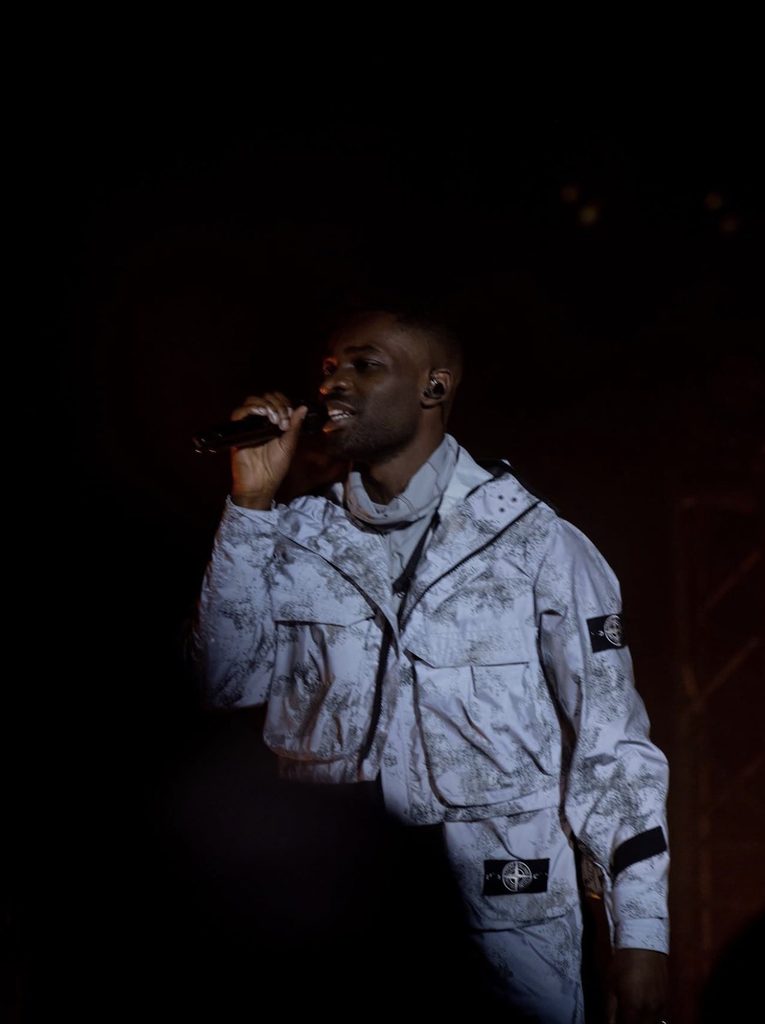
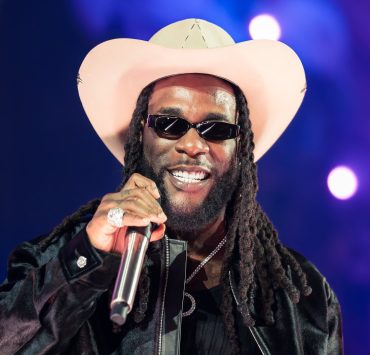
The first night delivered the kind of homecoming that made the wait worthwhile. Dave worked through a catalogue shaped by sharp writing, introspection and the sort of detail that rewards listeners who pay attention to the words as much as the production. The evening also brought several Nigerian artists into the experience. Burna Boy’s absence from the first night’s guest appearances did not prevent his music from featuring prominently; Dave performed records connecting his British rap world to the Nigerian music industry, including “Location”, his 2019 collaboration with Burna Boy. Wizkid’s “System”, Tems’ contribution to “Raindance” and BOJ’s appearance for “Lazarus” further underscored how closely Nigerian voices have become woven into Dave’s musical universe. BOJ joined him on stage for “Lazarus”, while Zaylevelten, the Ikorodu-born rapper Dave had selected to open the Lagos dates, returned for a performance of “Guide Pass.”
Zaylevelten’s moment deserves particular attention. In a concert naturally dominated by the catalogue of an internationally established rapper, the young Nigerian artist was given room to command a crowd that had come primarily to see someone else. His performance of “Guide Pass” with Dave became one of the moments fans continued sharing after the show. It was a reminder of the possibilities that emerge when international touring intersects with local talent, especially when an artist with an established global platform makes a deliberate decision to introduce an emerging act to a new audience. Dave’s choice of Zaylevelten gave the opening slot more significance than simply warming up the crowd before the headliner arrived. It put a developing Nigerian rap voice in front of an audience that might not otherwise have encountered him.
The second night, October 17, brought another round of Nigerian star power. Oxlade joined Dave for “Intoxycated,” while Zaylevelten returned to the stage, this time performing “Muzz.” The biggest sing-along moment arrived when Burna Boy appeared for “Location,” the collaboration that helped connect Dave’s British rap audience with one of Afrobeats’ biggest international stars. Fan videos circulated across social media, capturing the two artists sharing a record that has long represented the ease with which their respective musical worlds can meet. For a concert marking Dave’s first headline appearance in Nigeria, Burna Boy’s arrival was a fitting reunion with a song that has travelled far beyond its original release.
There was, however, a moment that stretched beyond the excitement of surprise appearances and familiar records. Near the end of the final show, Dave addressed the audience directly, acknowledging the difficulties Nigerians face and thanking those who had made the effort to attend. He spoke about Nigeria as a country close to his heart, describing its hardships and expressing concern that a country he sees as united is being divided. He also criticised the pressures placed on Nigerians by their government and by Western powers. His remarks, captured in videos that circulated online after the concert, brought a political edge to a night that could easily have been remembered solely for its celebrity guests. For an artist whose writing has consistently made room for questions of identity, social conditions and personal responsibility, the speech felt consistent with the concerns running through his music.
That moment also gave the Lagos shows a meaning beyond their place on a tour itinerary. Dave is a British artist whose career has been built in the UK, but his Nigerian roots are part of the identity through which he understands himself and the world around him. His music has crossed into Nigerian listening culture through his collaborations, his storytelling and the broader reach of British rap. In Lagos, those connections became tangible: songs that Nigerian listeners had consumed through streaming platforms and music videos were performed in a city whose artists had helped shape parts of his catalogue. The homecoming was therefore as much about the relationship between an artist and his audience as it was about the geography of touring.

It is also a significant moment for Lagos as a live music destination. Bringing an international tour to its conclusion requires more than securing a date on a calendar; it requires a city capable of attracting audiences, supporting large-scale productions and giving artists a reason to include it in their touring plans. Dave’s two-night engagement at the National Theatre placed Lagos within the closing chapter of a global tour that had already crossed several major markets. The decision to finish in Nigeria, rather than treat it as a brief stop along the way, gave the city a prominent place in the tour’s narrative.
By the time Dave left the stage on October 17, the Lagos shows had delivered the anticipated homecoming, a run of Nigerian guest appearances and a public acknowledgement of the realities facing the country. His first headline performances in Nigeria also closed a chapter in the story of ‘The Boy Who Played the Harp’, an album concerned with faith, vulnerability and identity. The final destination was significant because it connected those themes to a place that holds a personal and cultural meaning for the artist.
For Lagos, it was two nights of British rap meeting Nigerian musical history in real time. For Dave, it was a chance to bring a global journey back to his roots, with the audience, the collaborations and the conversation all converging in one place. The tour ended where his heritage could no longer be treated as a footnote to his career and where the music had an opportunity to come home.