What the Removal of MTV’s Best Afrobeats Category Means for African Music

MTV drops Best Afrobeats after three years
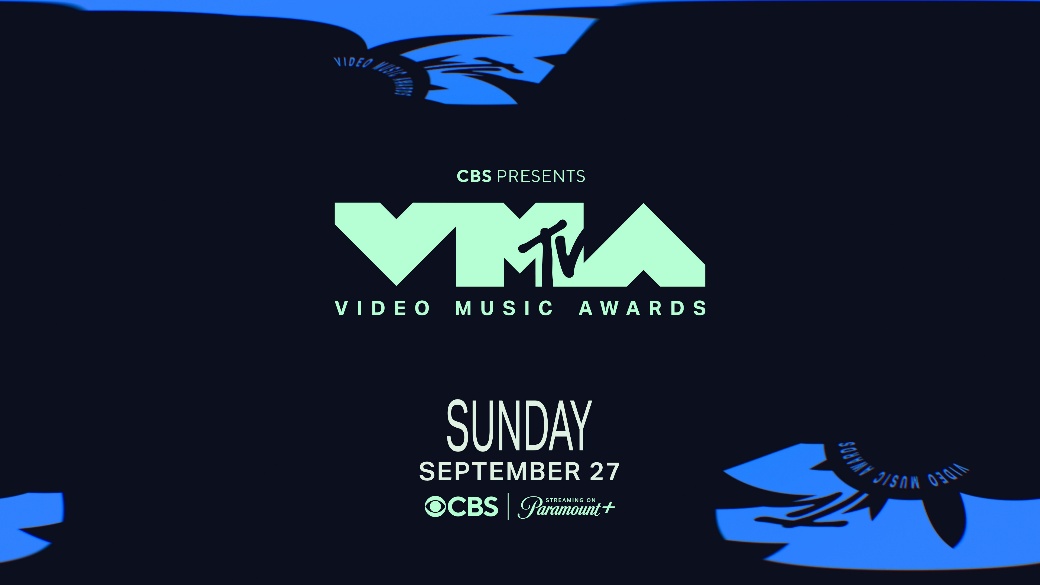
MTV announced its 2026 Video Music Awards nominations on August 18 and simply left Best Afrobeats off the list. The category, introduced in 2023, lasted three years. Rema and Selena Gomez took the first Moon Person for “Calm Down.” Tyla then claimed it twice.
First for “Water” in 2024, then for “Push 2 Start” in 2025. Now it has disappeared, and MTV has offered no public explanation.
African artists are still getting their flowers
African artists still show up, just elsewhere.
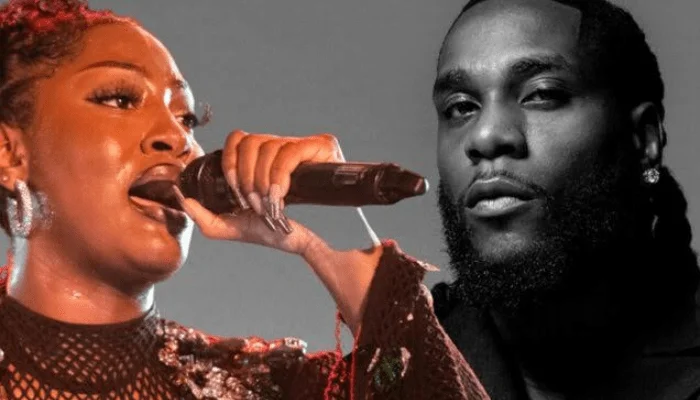
Tems lands a Best R&B nomination for “Raindance,” her collaboration with Dave. Burna Boy appears twice for “Dai Dai” with Shakira; Best Collaboration and Best Latin. Those nods place Nigerian artists inside categories that do not carry a regional tag.
Tems competes as an R&B artist while Burna Boy competes alongside Shakira in a Latin category, placing an African artist inside a field traditionally associated with another musical ecosystem. The industry no longer needs a separate door for them to walk through.
So, did the Best Afrobeats category serve as a necessary platform, or has our music already outgrown the box?
Did Afrobeats outgrow its own category?
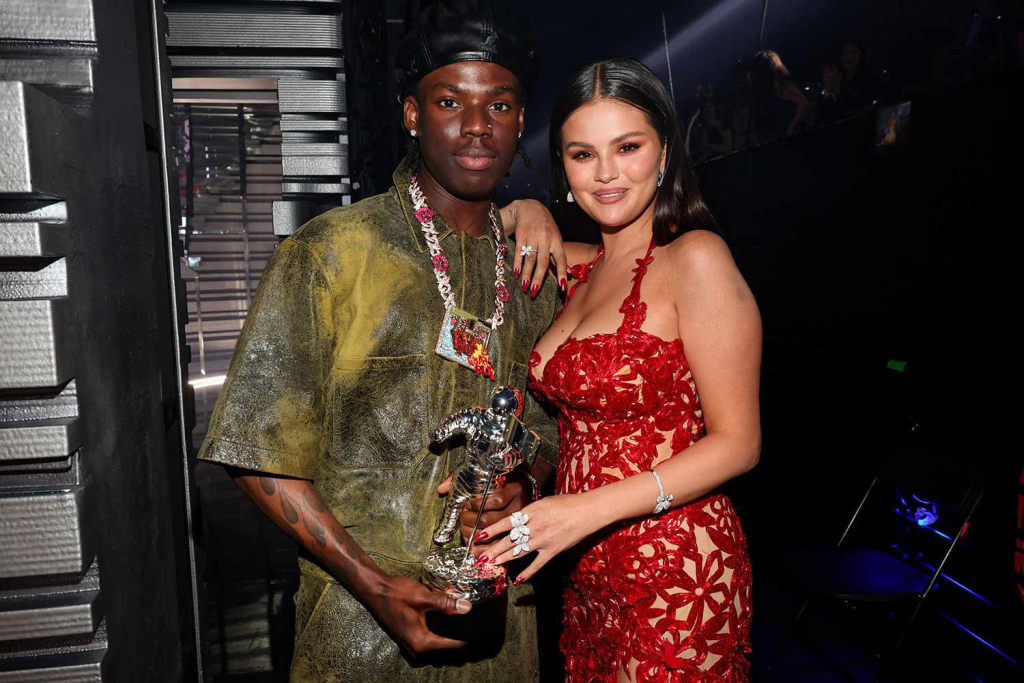
When MTV added the award in 2023, following the growing recognition of Afrobeats across major international awards platforms, it gave African artists a dedicated spotlight. Audiences who might never scroll past the usual pop and hip-hop nominees could find Rema, Burna Boy, Wizkid, Davido, Asake, Tems, Ayra Starr and Tyla in one place. The category made discovery easier. It also created a clear path to the stage for artists whose global profiles were still rising.
Yet continually parking African music in its own lane can also function as a ceiling. The same institutions that celebrate the genre often keep it cordoned off, as if Afrobeats remains a specialty item rather than a force that already shapes mainstream charts, playlists and collaborations. Tems and Burna Boy moving into broader categories show that African artists with genuine international reach can compete—and be judged—on the same terms as everyone else.

The problem for African artists still coming up

Both ideas hold weight. A dedicated category delivered visibility that pure competition in crowded fields might not. At the same time, the biggest African stars already operate beyond any single label. Afrobeats itself has become an umbrella that covers amapiano, highlife-inflected grooves, street-hop hybrids and sounds that share little beyond geography. International awards shows still struggle to classify that range cleanly.
The harder problem sits with the artists who have not yet reached the altitude of Tems, Burna Boy, et al. When the dedicated category disappears, those rising acts must fight for attention inside Best R&B, Best Collaboration or Best New Artist against far larger marketing machines. Recognition in the broader categories proves inclusion for the few who have already broken through. A dedicated platform once guaranteed space for the many still building their global audiences. Those two outcomes are not the same.
What happens when the dedicated door disappears?
MTV’s decision arrives without commentary, so the industry is left to read the silence. African music has clearly secured a place in the conversation. Whether that place still includes a permanent seat at the table, or only an occasional invitation to the main room, is a question that currently remains unanswered.