Davido, FIFA and the Limits of Celebrity Activism in Nigeria

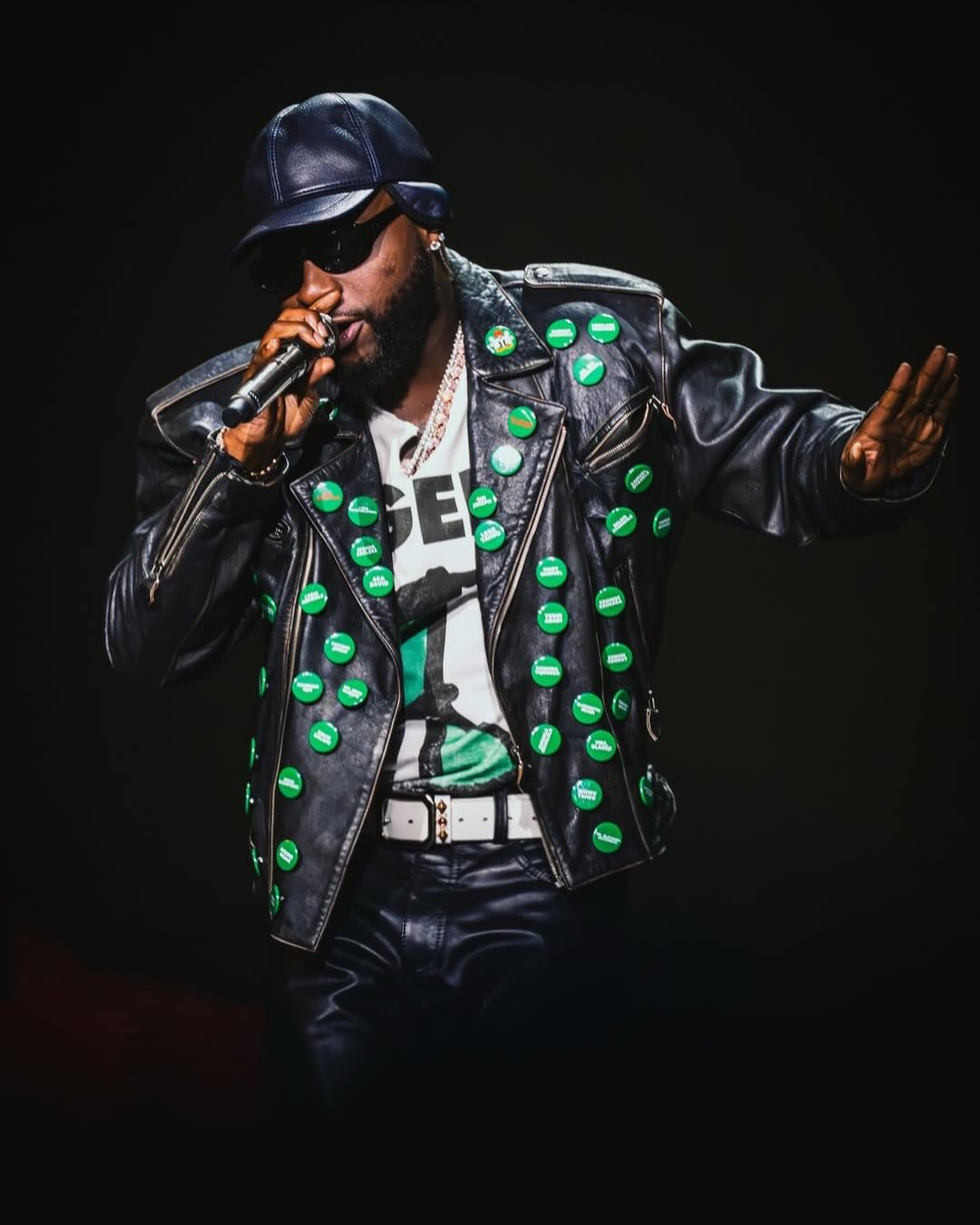
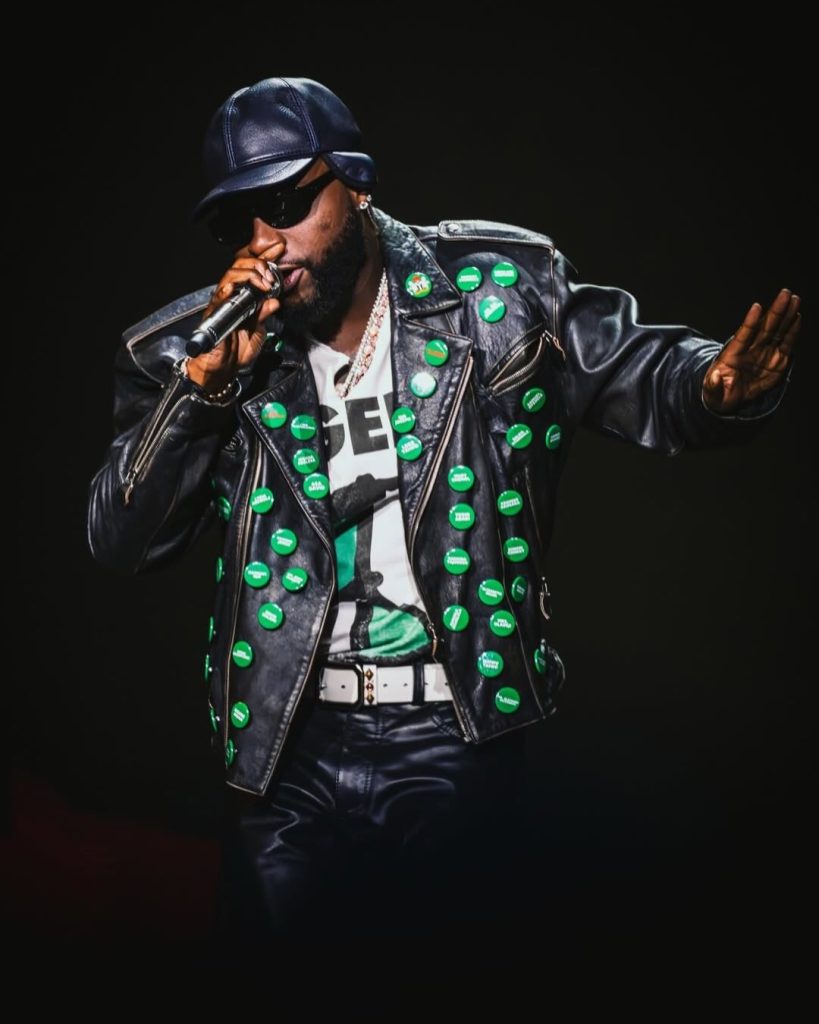
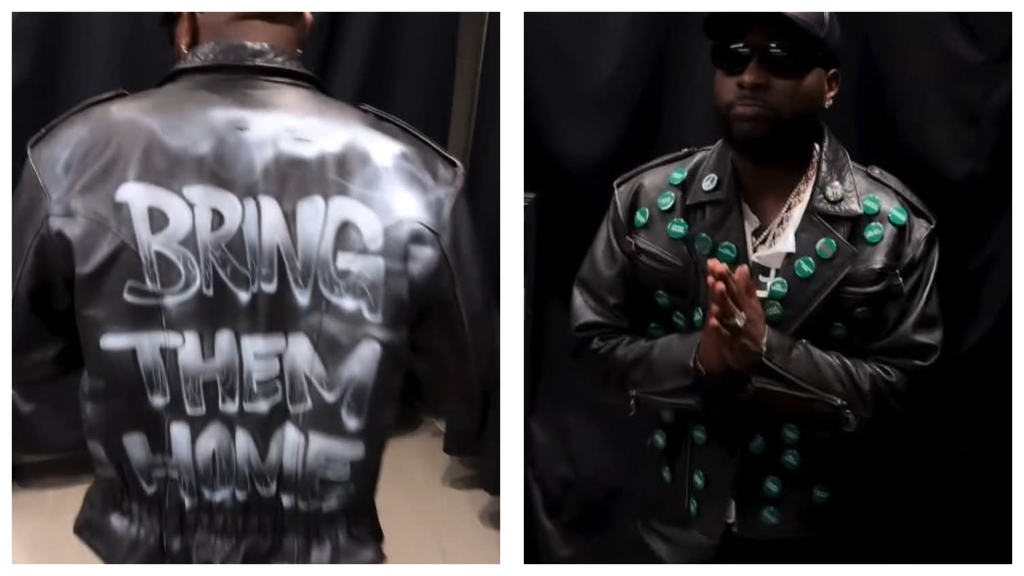
Davido stepped onto the global stage at the 2026 FIFA World Cup Countdown Concert in Los Angeles and made a visible statement. He wore a custom black leather jacket covered in green buttons bearing the names of the 39 schoolchildren and seven teachers abducted in Oyo State’s Oriire Local Government Area, with “Bring Them Home” boldly written across the back.
He addressed the crowd, expressed sorrow for the families, prayed publicly, and highlighted the tragedy that began on May 15, 2026, when armed gunmen stormed multiple schools in the Yawota and Esiele communities.
We should give Davido credit for using one of the world’s biggest platforms to ensure the world noticed Nigeria’s latest security failure. In a country where school abductions have become disturbingly familiar, this gesture stands out.
More importantly, it reminds us of both the power and the limits of celebrity activism in Nigeria.
Davido’s jacket drew attention to a tragedy that many people outside Nigeria would otherwise never have heard about. It generated headlines, social media discussions, and renewed interest in the fate of the abducted children.
But awareness and action are not the same thing.
A jacket with names and a heartfelt onstage plea can shine a light on a crisis. It can move people emotionally. It can keep a story alive in the public consciousness. What it cannot do is free the children still being held, dismantle the criminal networks responsible, or hold public officials accountable for repeated security failures.
That responsibility belongs elsewhere.
Yet moments like this often trigger a familiar conversation. Nigerians repeatedly demand that celebrities “speak up” during every national crisis; economic hardship, insecurity, corruption, and institutional failure.
The frustration is understandable. People feel powerless, and famous voices with millions of followers appear to be the most effective megaphones available.
However, the expectation that entertainers must always become activists deserves closer examination.
The Power and Limits of Celebrity Activism in Nigeria
Celebrity influence is real.
Artists can draw attention to issues that might otherwise go unnoticed. They can amplify conversations, mobilise young audiences, and force uncomfortable topics into mainstream discourse. Davido’s FIFA World Cup gesture did exactly that.
Yet influence and power are not the same thing.
A musician can shape public opinion. A musician cannot reform security agencies, rescue abducted children, prosecute criminals, or build effective institutions.
When conversations around national crises become centred on whether celebrities have spoken loudly enough, attention often shifts away from the people and institutions that actually hold decision-making power.
The danger is not that celebrities speak out. The danger is treating celebrity interventions as substitutes for meaningful action.
Nigeria’s Long History of Protest Music
Nigeria’s music industry has a proud tradition of political engagement.
Few artists embodied that tradition more than Fela Kuti. Through songs like “Zombie” and “International Thief Thief,” he challenged military governments and openly criticised corruption and abuse of power.
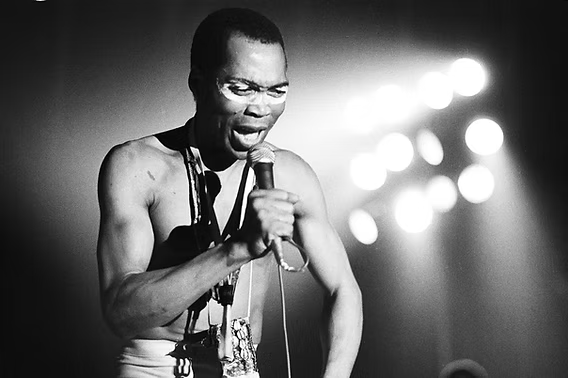
The consequences were severe.
Authorities raided Kalakuta Republic, assaulted him repeatedly, destroyed his property, and inflicted violence that contributed to the death of his mother. Over the course of his career, Fela endured arrests, imprisonment, intimidation, and relentless harassment.
His courage remains one of the most powerful examples of artistic resistance in Nigerian history.
Subsequent generations continued that tradition in different ways. Eedris Abdulkareem’s “Jaga Jaga,” Asa’s “Jailer,” Falz’s “This Is Nigeria,” and Burna Boy’s “Monsters You Made” and “20 10 20” all confronted societal failures and political realities.
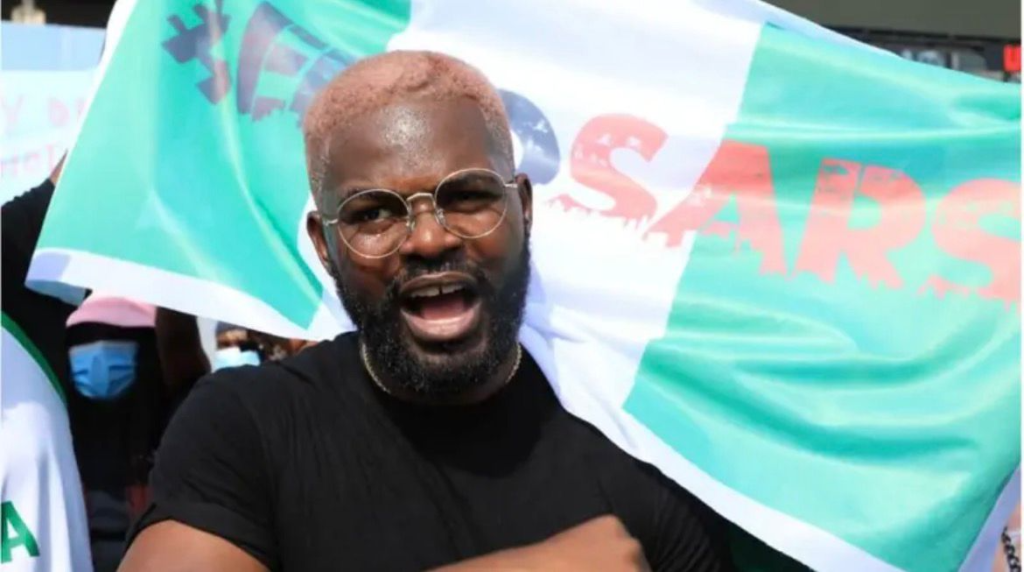
These songs shape conversations, document public frustration and preserve moments in history that might otherwise be forgotten.
But recognising this legacy should not create a permanent obligation for every entertainer to become a frontline activist.
Why Celebrities Do Not Owe Society Activism
Artists are citizens, but they are also individuals with families, businesses, personal fears, emotional limits, and legitimate concerns about their safety.
In Nigeria, speaking out often comes with consequences.
Outspoken public figures frequently face coordinated online attacks, political pressure, threats, lost endorsements, damaged business relationships, and, in some cases, physical danger.
The #EndSARS movement demonstrated this reality clearly.
DJ Switch livestreamed the events at the Lekki Toll Gate during the protests and quickly became one of the most visible faces associated with that moment. The backlash that followed was significant enough that she eventually left Nigeria.
Other activists, public figures, and supporters faced frozen accounts, arrests, harassment, and prolonged intimidation.
More recent examples show that public scrutiny does not disappear once a crisis fades from the headlines. Artists who speak on social issues often become targets themselves.
No one owes their voice in a free society.
Some artists choose direct activism. Others communicate through their music. Some focus on philanthropy, community development, quiet advocacy, or simply doing the work they were trained to do.
Silence is not always indifference.
Sometimes it reflects fear. For some, it reflects strategic thinking or emotional exhaustion. And for others, it reflects the belief that statements alone are unlikely to produce meaningful change.

Celebrity Influence Cannot Replace Strong Institutions
One reason celebrity activism attracts so much attention is because institutional trust remains low.
When citizens lose confidence in governments, security agencies, and public institutions, they naturally look elsewhere for leadership and representation.
Celebrities often become the beneficiaries of that expectation.
But no amount of fame can replace functioning institutions.
A viral post cannot substitute for effective policing. A protest song cannot replace judicial accountability. A FIFA World Cup statement cannot replace competent governance.
The burden of solving systemic problems cannot rest on entertainers, athletes, or influencers.
It belongs to governments, institutions, communities, and citizens collectively.
What Real Change Requires Beyond Celebrity Activism
Davido’s gesture mattered.
It ensured that the names of abducted children travelled far beyond Oyo State. The gesture brought international attention to a tragedy that deserved visibility and reminded audiences across the world that insecurity remains a serious issue in parts of Nigeria.
That is meaningful but we must be careful not to confuse visibility with resolution.
The persistence of Nigeria’s challenges, despite decades of conscious music, public advocacy, celebrity statements, and viral campaigns, reveals a simple truth: awareness is only the beginning.
Real change requires functioning institutions, accountable leadership, engaged citizens, and sustained pressure that extends beyond social media cycles.
Celebrities can contribute to that process. They can amplify voices, spotlight issues, and inspire conversations.
What they cannot do is carry the entire weight of a nation’s problems.
Perhaps the lesson from Davido’s FIFA moment is not that celebrities need to do more.
Perhaps it is that the rest of us need to stop expecting them to do what institutions were created to do in the first place.
Celebrities owe themselves authenticity, safety, and the freedom to choose how they engage with public issues.
The rest of us owe Nigeria sthe difficult, collective work of demanding accountability, strengthening institutions, and building a society where emergency activism from vulnerable public figures becomes far less necessary.